- Original guide
- Beginner friendly
- Updated 2026
- Affiliate disclosed
What sunflowers need to grow well
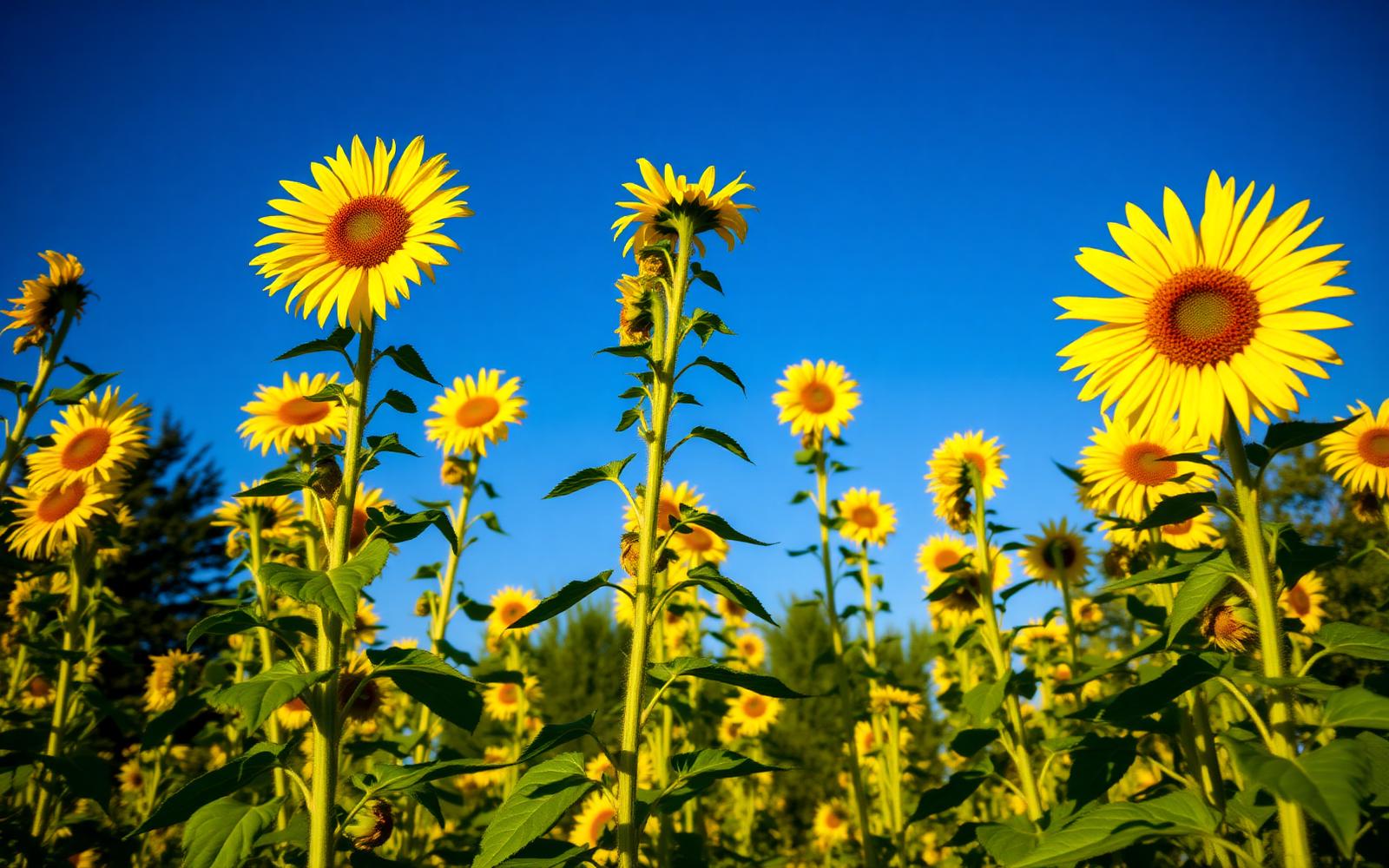
Sunflowers have a reputation for being foolproof, and many of them are, but they still have a short list of needs that make the difference between a strong plant and a disappointing one. Light is the most important. Sunflowers are named for their love of the sun, and they want as much direct light as you can give them. Warmth in the soil matters almost as much, since cold ground slows germination and weakens early roots.
The rest is straightforward. Loose, workable soil with good drainage, enough room for the variety you have chosen, steady moisture while seedlings establish, and a little shelter or staking for tall types in exposed spots. Sunflowers do not need rich feeding to do well. In fact, too much nitrogen can push a plant into leafy growth at the expense of flowers, so a moderate, balanced approach usually works better than heavy feeding.
A good sunflower growing spot should have
- Six or more hours of direct sun a day.
- Loose, workable soil that is easy to dig.
- Drainage that does not stay soggy after rain.
- Enough space between plants for the variety you have chosen.
- Protection from strong wind for tall and giant varieties.
- Access to watering during dry spells, especially while plants are young.
- A variety choice that matches the room available.
When to plant sunflower seeds
Most sunflowers are planted after the last frost in your area, once the soil has warmed enough for seeds to germinate well. In many temperate climates this falls in spring or early summer, but the exact window depends on your local frost dates and the length of your growing season. Sowing into cold, wet ground is a common cause of poor germination, so it is worth waiting a week or two for the soil to warm rather than rushing.
You can start sunflower seeds indoors a few weeks before planting out if your season is short, but bear in mind that sunflowers form strong roots quickly and do not love being disturbed. Direct sowing is often simplest where the season is long enough, and it sidesteps the transplant shock that can stall a young plant. Succession sowing every couple of weeks for the first month or so can extend the flowering season later in summer.
Check your local frost dates and seed packet
How to plant sunflower seeds step by step
The process is simple and the same general approach works whether you are sowing direct or starting seeds in pots. Work in one session, keep your bulb spacing sensible, and label what you have sown so you remember what is what when the seedlings appear.
Sunflower seed planting steps
- Choose the right variety for your space, from dwarf to giant.
- Pick a sunny planting spot with at least six hours of direct sun.
- Loosen the soil or fill a deep pot with good potting mix.
- Water the soil first if it is very dry.
- Sow seeds about 1 inch deep, following packet depth where given.
- Cover with soil and firm gently so the seeds make good contact.
- Water carefully with a fine rose so seeds are not washed out.
- Protect from birds, slugs, or squirrels with mesh or a cloche if needed.
- Thin seedlings once they have a few true leaves so each plant has room.
- Add support for tall varieties early, before they start to lean.
Planting depth is a guide, not a fixed rule
Growing sunflowers from seed indoors vs outdoors
Both routes work, and the right choice depends on your climate, your patience, and how easily you can protect young seedlings from pests. Direct sowing keeps things simple and avoids root disturbance, which sunflowers prefer. Starting indoors can give a useful head start where the season is short or where slugs are likely to flatten direct-sown seedlings overnight.
Direct sowing
Direct sowing into warm, settled soil suits most easy annual sunflowers. The seedlings settle where they will grow, the roots develop without disturbance, and the plants tend to look more upright and even. It works best once frost risk has passed and the ground is warm to the touch in the morning sun.
Starting indoors
If your season is short or your soil is slow to warm, sowing indoors a few weeks before your last frost can buy time. Use deep cells or biodegradable pots so the long taproot has room and so the whole pot can be planted out together. Harden seedlings off gradually over a week or so before they move outside, and avoid letting them sit in small trays for too long or stretch into leggy plants on a low-light windowsill.
Strong roots, fast
Sunflower growing stages
Knowing roughly what to expect at each stage helps you spot when something is going right, and when something needs attention. The timing varies by variety and climate, but the sequence is reliably the same.
Seed
A dry seed sown about an inch deep in warm, moist soil.
Germination
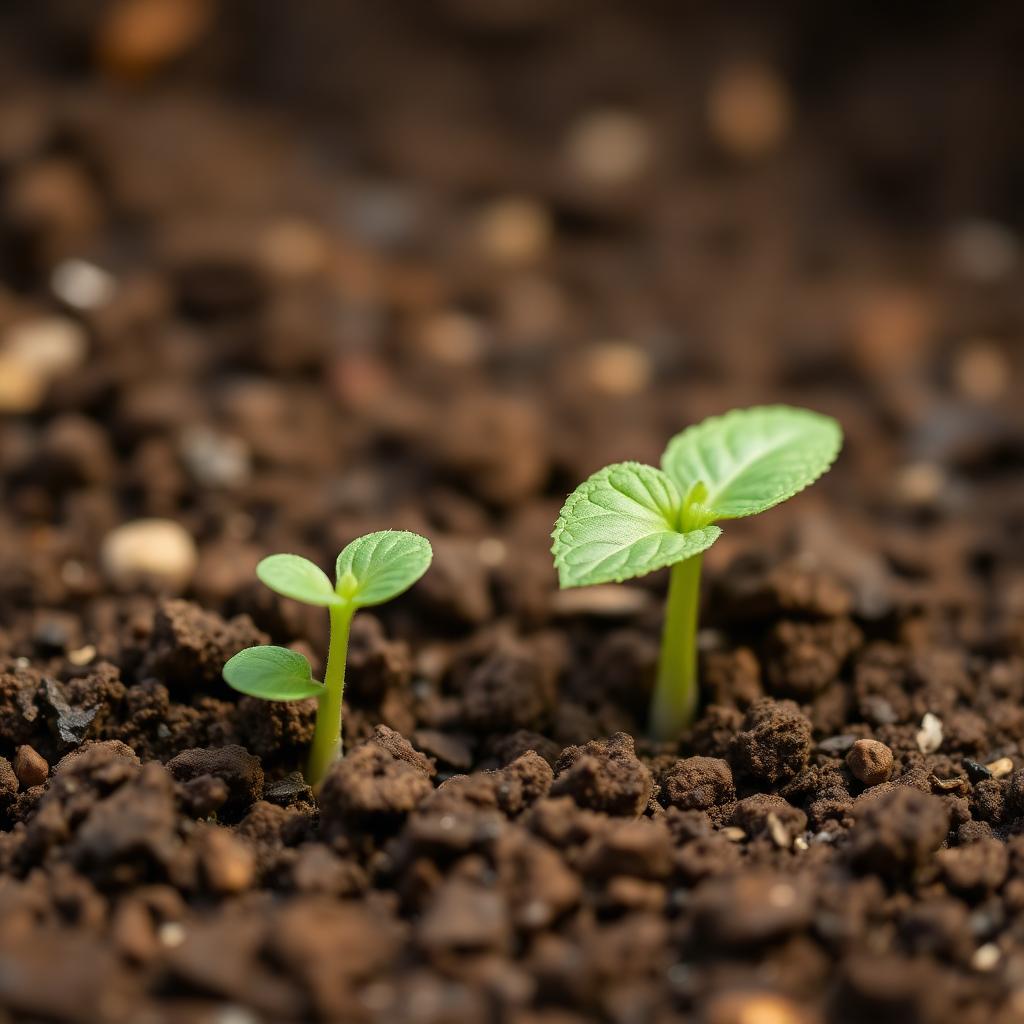
Roots push down and a small shoot heads for the surface.
Seedling
Two seed leaves appear, then the first true leaves.
Young plant
Stem thickens, leaves multiply, and roots establish.
Bud formation
A green flower bud forms at the top of the stem.
Flowering
Petals unfurl and the flower opens fully to the sun.
Seed head
Petals fade and the central disc fills with seeds.
Drying
The head dries on the plant and seeds are ready to harvest or leave for birds.
Most garden sunflowers move through these stages in around 70 to 120 days from seed to bloom. Dwarf and fast varieties tend to be quicker, while giant varieties can take longer, especially in cooler seasons.
How long do sunflowers take to grow?
The honest answer is that it depends. Variety is the single biggest factor, followed by the weather and how good a growing spot you have given them. Many garden sunflowers flower in around two to four months from sowing. Some fast dwarf varieties bloom sooner. Giant varieties usually need a longer season, plenty of sun, and steady water to reach their full height.
| Type | Approximate time to flower | Best for | Notes |
|---|---|---|---|
| Dwarf sunflowers | Around 60 to 80 days from sowing | Pots, patios, small gardens, kids' projects | Often the fastest to flower. Stay short and tidy. |
| Medium garden sunflowers | Around 70 to 90 days from sowing | Borders, mid-height displays, mixed planting | A good all-round choice for first-time growers. |
| Branching cut-flower sunflowers | Around 80 to 100 days from sowing | Vases, succession cutting, long cropping | Keep producing flowers for weeks if cut regularly. |
| Giant sunflowers | Around 90 to 120 days from sowing | Statement plants, height, seed heads | Need a long, warm season, deep soil, and support. |
Dwarf sunflowers
- Time
- Around 60 to 80 days from sowing
- Best for
- Pots, patios, small gardens, kids' projects
- Notes
- Often the fastest to flower. Stay short and tidy.
Medium garden sunflowers
- Time
- Around 70 to 90 days from sowing
- Best for
- Borders, mid-height displays, mixed planting
- Notes
- A good all-round choice for first-time growers.
Branching cut-flower sunflowers
- Time
- Around 80 to 100 days from sowing
- Best for
- Vases, succession cutting, long cropping
- Notes
- Keep producing flowers for weeks if cut regularly.
Giant sunflowers
- Time
- Around 90 to 120 days from sowing
- Best for
- Statement plants, height, seed heads
- Notes
- Need a long, warm season, deep soil, and support.
Cool weather, dry soil, low light, or a late sowing can all push these timings back. A poor first month tends to show up as smaller, later flowers months down the line, which is one reason to start with warm soil and a sunny spot.
How to care for sunflowers
Sunflower care is mostly about consistency in the early weeks and reasonable common sense after that. The list below covers the points that matter most across almost any variety.
Light
Full sun, every day if possible. Sunflowers grown in too much shade tend to lean toward the brightest gap, produce thinner stems, and open smaller flowers. If you only have a part-sun spot, choose a shorter variety that can cope better with reduced light.
Watering
Water young plants regularly so the soil stays lightly moist while roots establish. Mature garden sunflowers cope with dry spells fairly well, but giant varieties and any plant in a pot still need consistent moisture. Avoid the swing between bone dry and soaked, which stresses plants and can cause sudden drooping.
Feeding
Too much nitrogen can create lush leafy growth with weaker flowering. In most garden soils, no feeding is needed at all. In poor soil or in pots, a balanced feed or a base dressing of compost is enough to keep plants moving.
Spacing
Crowded sunflowers become weaker, lean toward the light, and produce smaller flowers. Thin seedlings early and follow the spacing on the seed packet for the variety you are growing.
Staking
Tall and giant sunflowers benefit from a stake, especially in windy gardens or once the heavy flower head opens. Push the stake in early so it does not damage the roots, and tie the stem loosely with soft twine so it can still flex in the breeze.
Mulching
A thin mulch of compost or bark around the base of the plants helps keep soil moisture steady in hot weather and suppresses competing weeds while young plants establish.
Growing sunflowers in pots
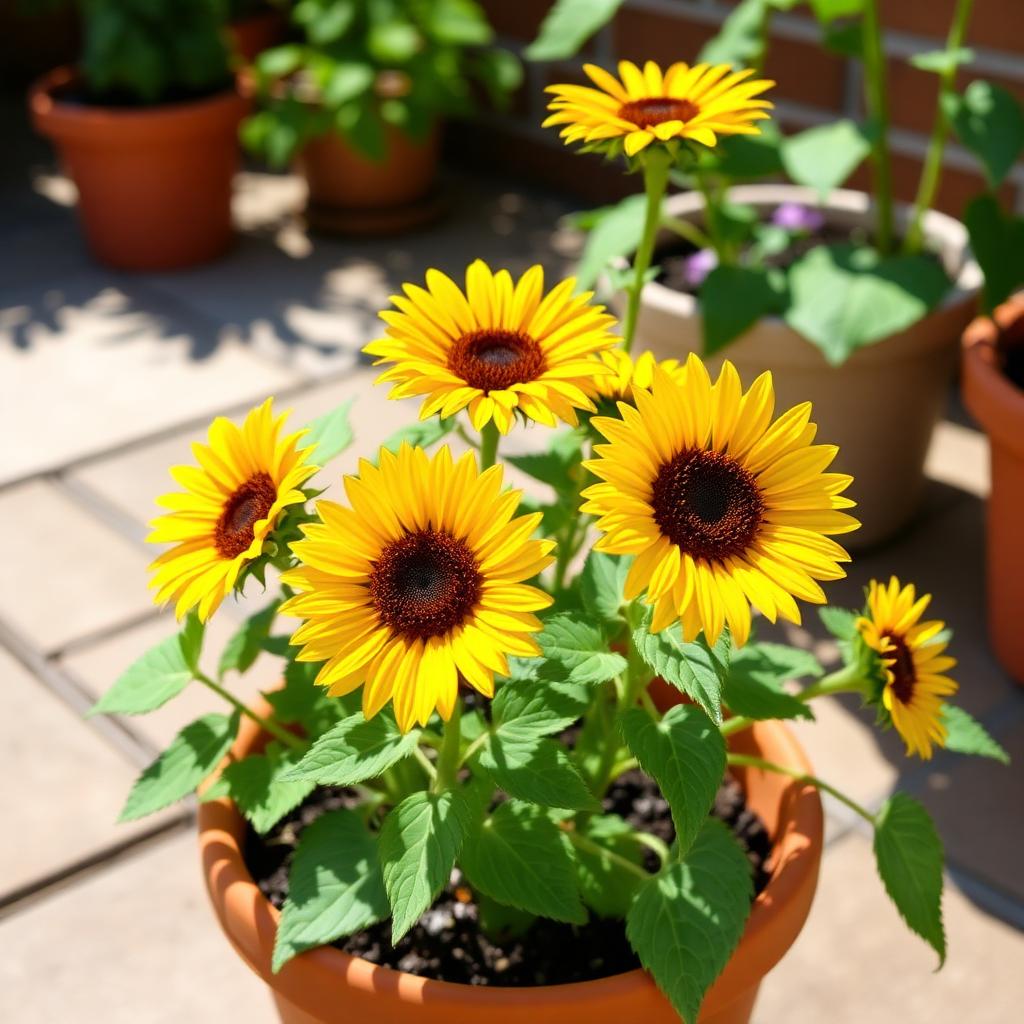
Yes, you can grow sunflowers in pots, and a well-chosen container can be a brilliant way to bring height and cheer to a small patio, balcony, or front step. The trick is matching the variety to the pot. Dwarf and compact varieties suit most containers. Giant varieties almost always struggle in small pots, because the roots cannot find the water and stability they need.
Sunflowers in pots checklist
- Choose dwarf or compact varieties for most containers.
- Use a pot with genuine drainage holes in the base.
- Fill with good quality potting mix rather than heavy garden soil.
- Water more often than in-ground plants, since pots dry out faster.
- Avoid tiny pots for taller varieties, which dry out and topple.
- Use a heavy, stable pot for taller sunflowers so wind does not knock them over.
- Place the pot in full sun for at least six hours a day.
- Stake the plant early if the variety has any real height.
Giants do not belong in small pots
Dwarf sunflowers vs giant sunflowers
Before picking a specific variety, it helps to decide which broad type fits your garden. Dwarf sunflowers and giant sunflowers behave very differently from sowing onward, and the right type matters more than the exact name on the seed packet.
Dwarf sunflowers
Compact, pot-friendly, beginner-easy
- Best for pots, patios, small gardens, and kids' first projects.
- Easier to manage and more forgiving of small mistakes.
- Rarely need staking thanks to short, sturdy stems.
- Often flower at the shorter end of the 70 to 120 day window.
- Cope better with the swings of pot life and small spaces.
Giant sunflowers
Tall, dramatic, and demanding
- Best in deep, open ground rather than small containers.
- Need space, deep soil, steady water, and almost always a stake.
- More impressive in height and flower size, but less forgiving.
- Often need a longer warm season to reach full potential.
- Not suitable for small pots — roots and weight outgrow them fast.
Warning. Do not choose a giant sunflower for a small container. Match the variety to the space you can give it.
Dwarf sunflowers in detail
Dwarf sunflowers are the most pot-friendly type, and they are also the easiest entry point for children's gardening, small patios, and tight borders. Most stay under a metre tall, often much shorter, and many are naturally branching so they produce a series of smaller flowers rather than one giant head. They rarely need staking, they cope reasonably well with the swings of pot life, and they tend to flower quickly from sowing.
 Easy
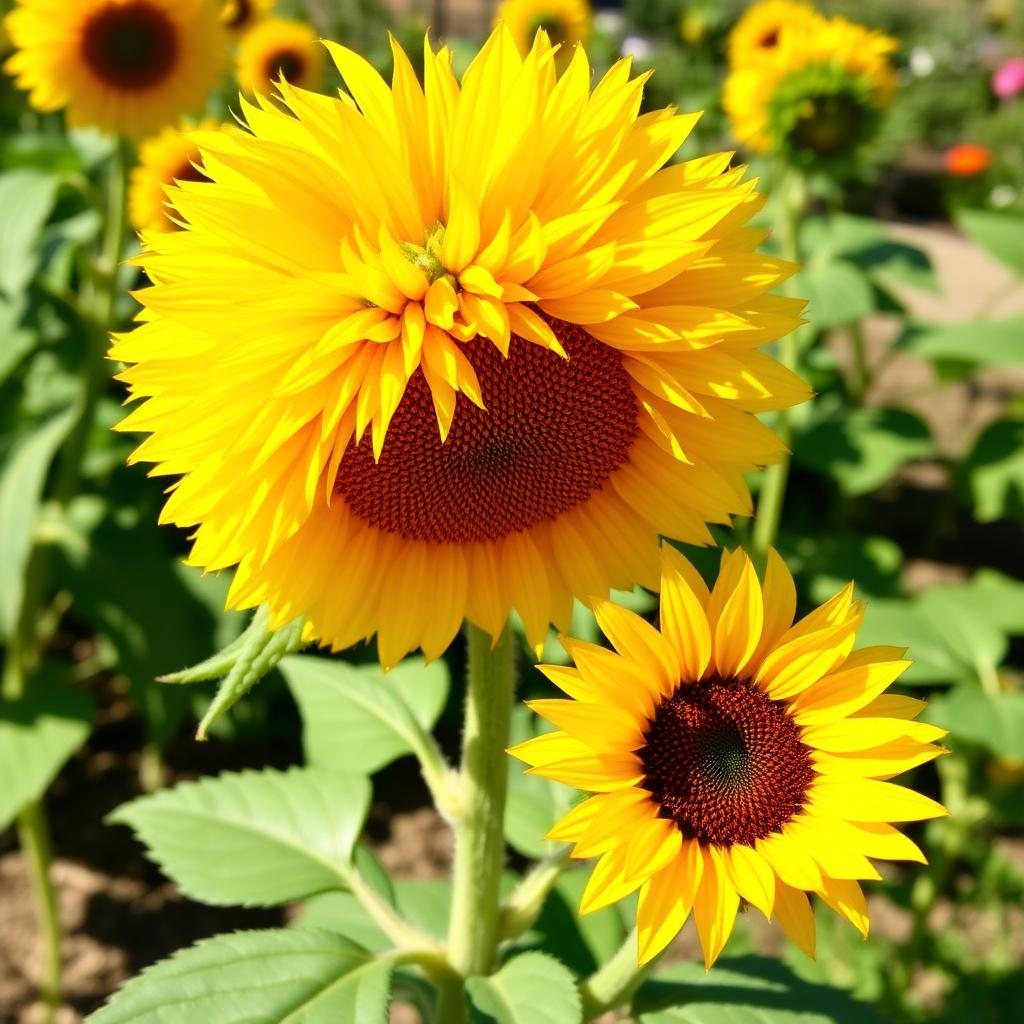
EasyTeddy Bear
- Height
- Around 40 to 60 cm
- Flower
- Fluffy, fully double yellow pompoms
- Best for
- Pots, kids, novelty cut flowers
- Grow in
- Pot or ground
Why try it. The pompon flowers are unlike any other sunflower and almost always succeed. A reliable favourite for children's gardens.
Beginner note. Use a pot at least 25 to 30 cm wide and keep the compost lightly moist.
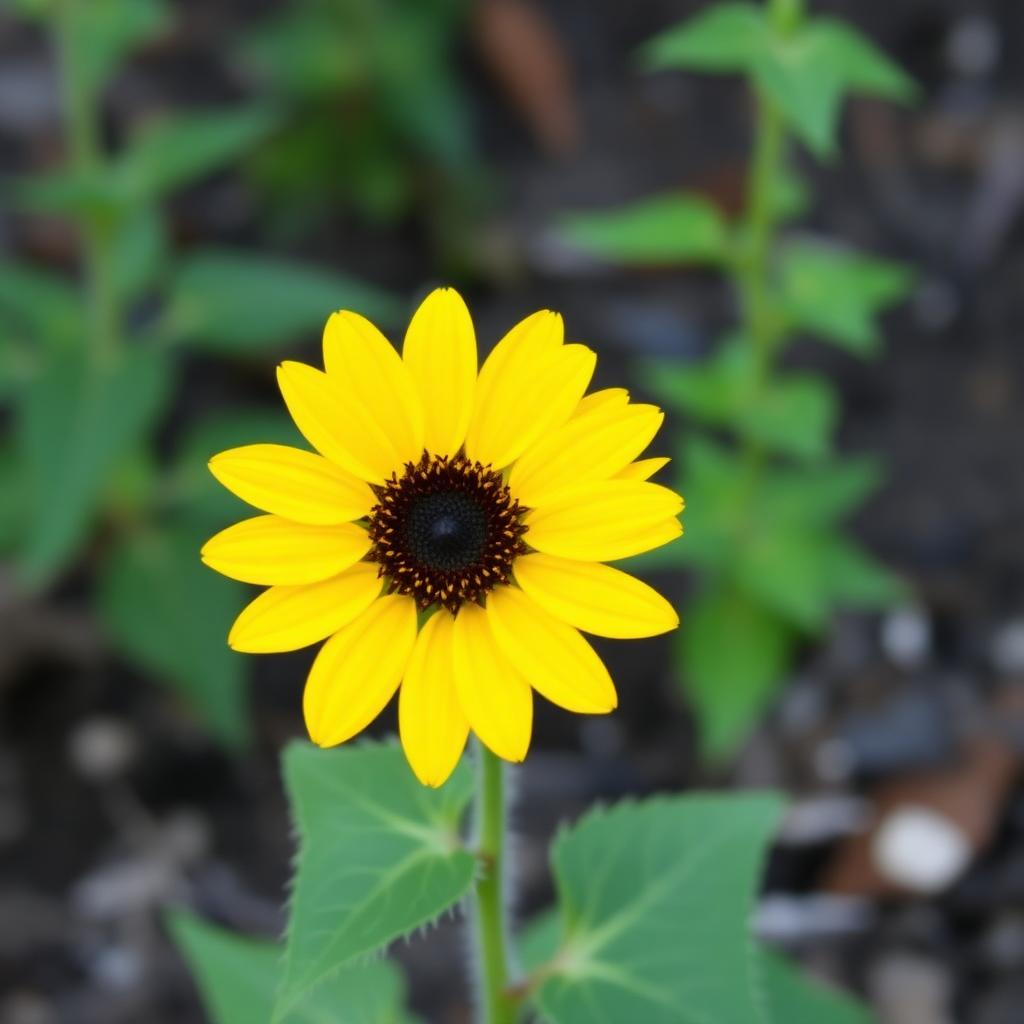 Easy
EasySunspot
- Height
- Around 40 to 60 cm
- Flower
- Classic large yellow flower with dark centre on a short stem
- Best for
- Pots, patios, small borders
- Grow in
- Pot or ground
Why try it. A giant-style flower on a dwarf plant. It looks the part without taking over the space.
Beginner note. Sow a few seeds and thin to one strong plant per pot for the best display.
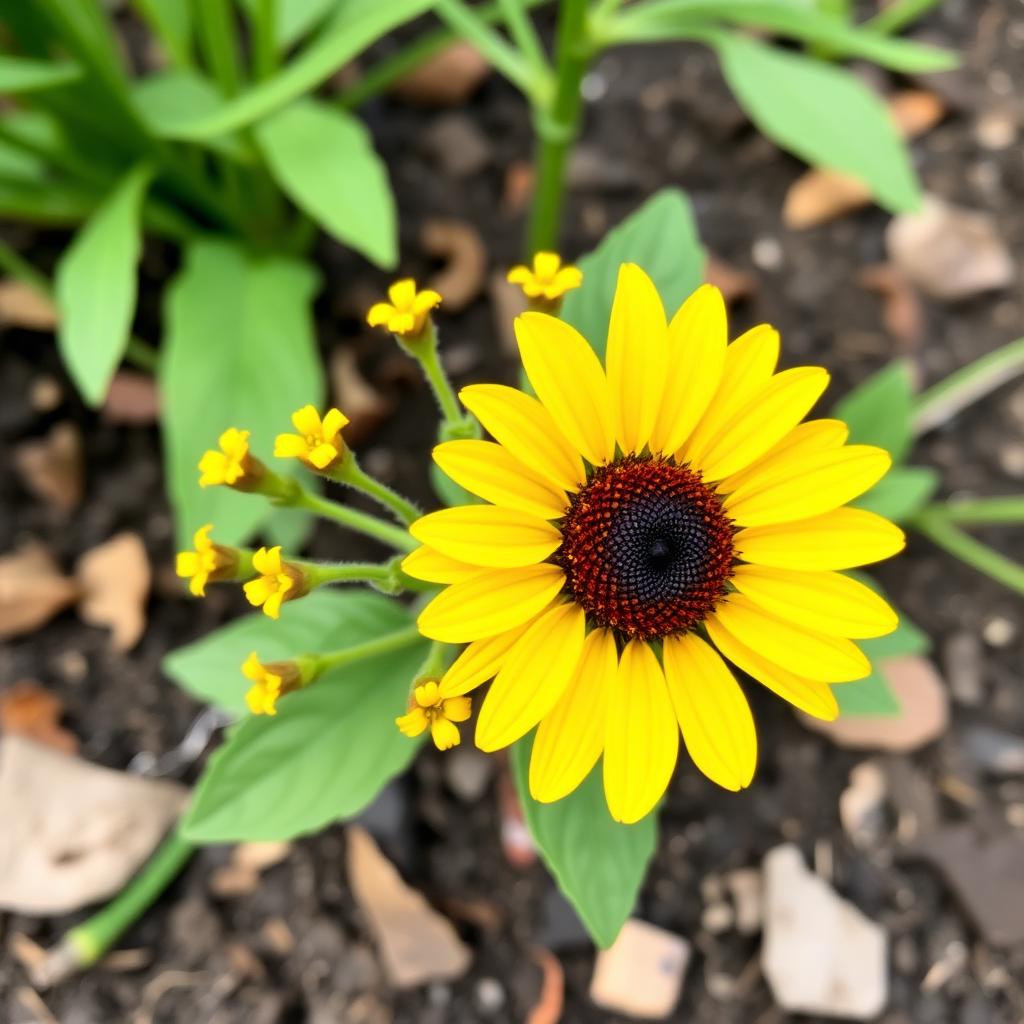 Easy
EasyElf
- Height
- Around 30 to 50 cm
- Flower
- Small bright yellow flowers with a dark centre
- Best for
- Very small pots, windowsills, balconies
- Grow in
- Pot or ground
Why try it. One of the shortest sunflowers around. Stays neat even in a modest container.
Beginner note. Best in a pot of its own. Other taller plants will quickly shade it out.
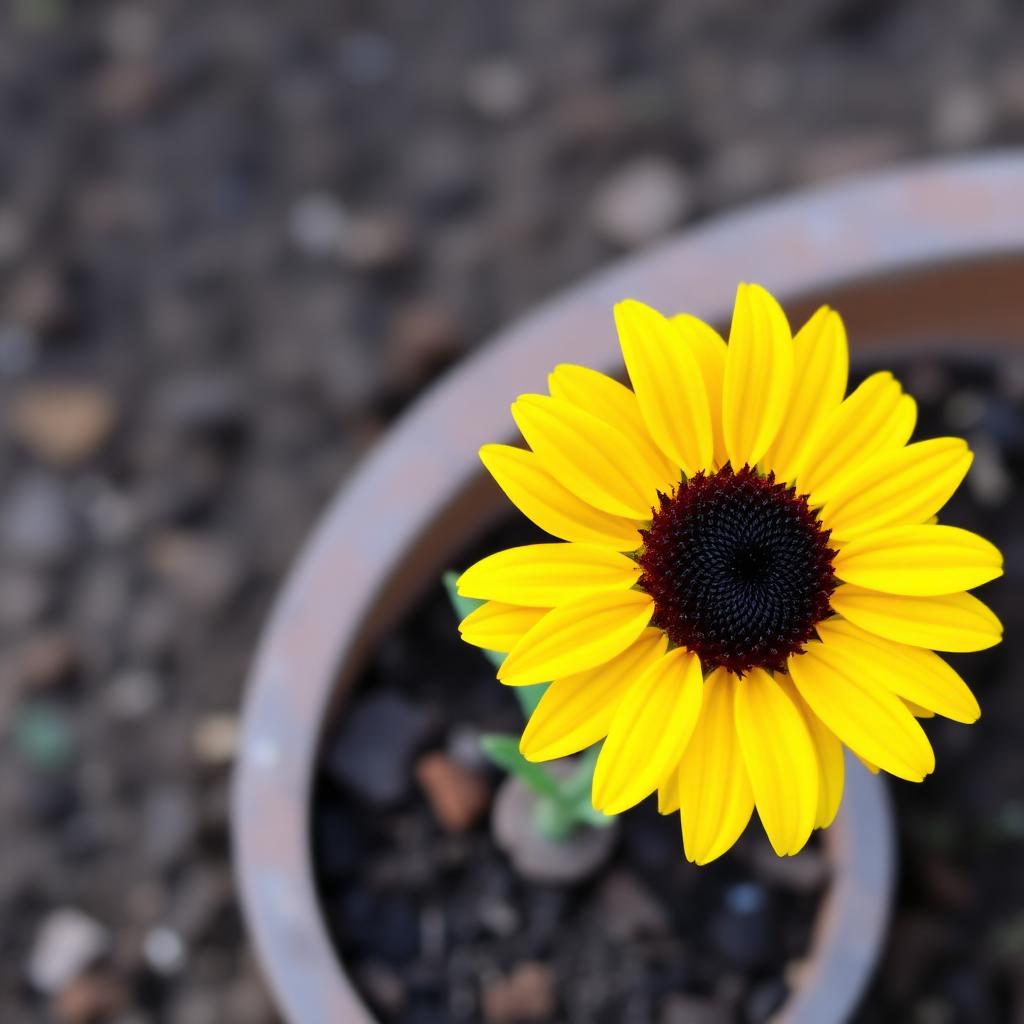 Easy
EasyBig Smile
- Height
- Around 25 to 40 cm
- Flower
- Cheerful yellow petals with a dark centre on a tiny plant
- Best for
- Tabletop pots, gifts, kids
- Grow in
- Pot
Why try it. Small enough for a single bowl or windowsill pot, and fast to flower.
Beginner note. Even a small pot dries out quickly. Check moisture every day or two in warm weather.
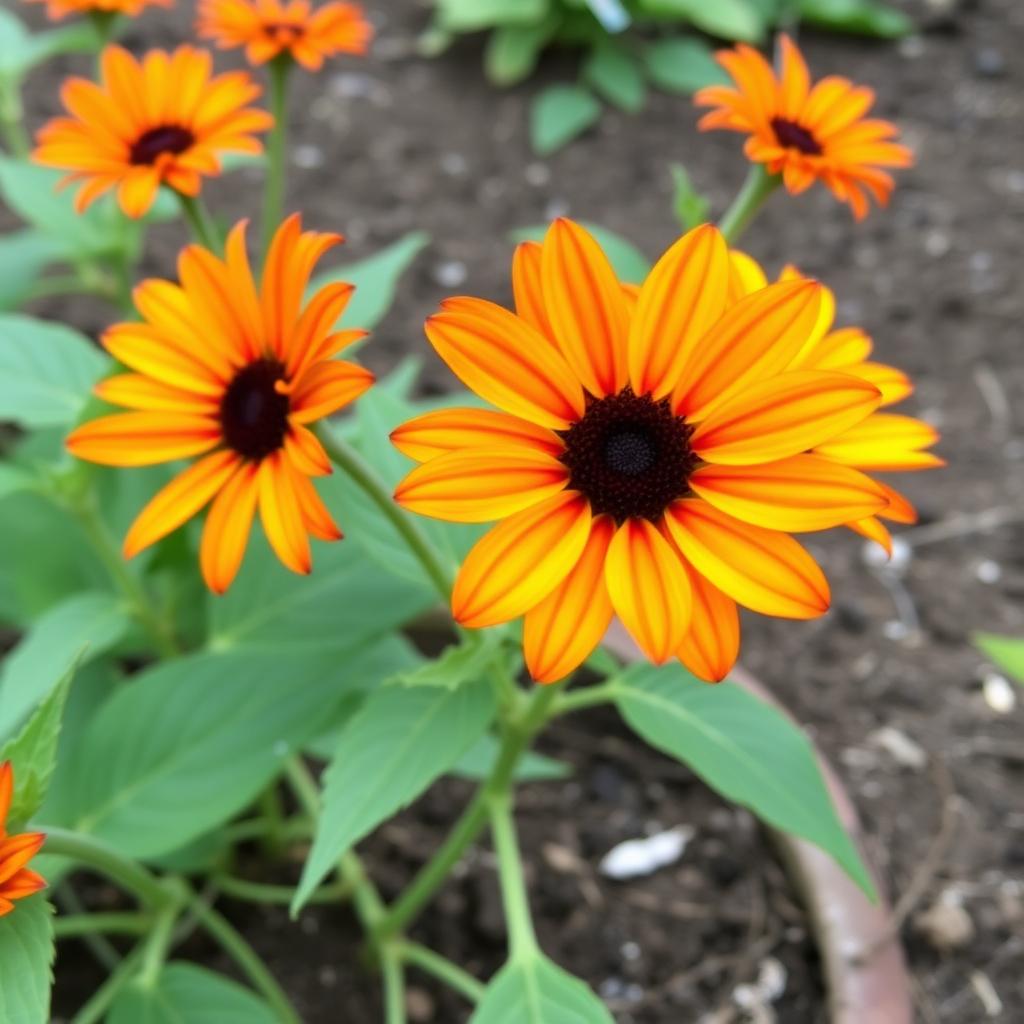 Easy
EasyLittle Becka
- Height
- Around 50 to 80 cm
- Flower
- Warm bicolor orange and red petals around a dark centre
- Best for
- Small borders, cut flowers, branching displays
- Grow in
- Pot or ground
Why try it. A compact branching sunflower with a richer colour palette than the usual yellow.
Beginner note. Keep cutting or deadheading to encourage more flowers across the season.
 Easy
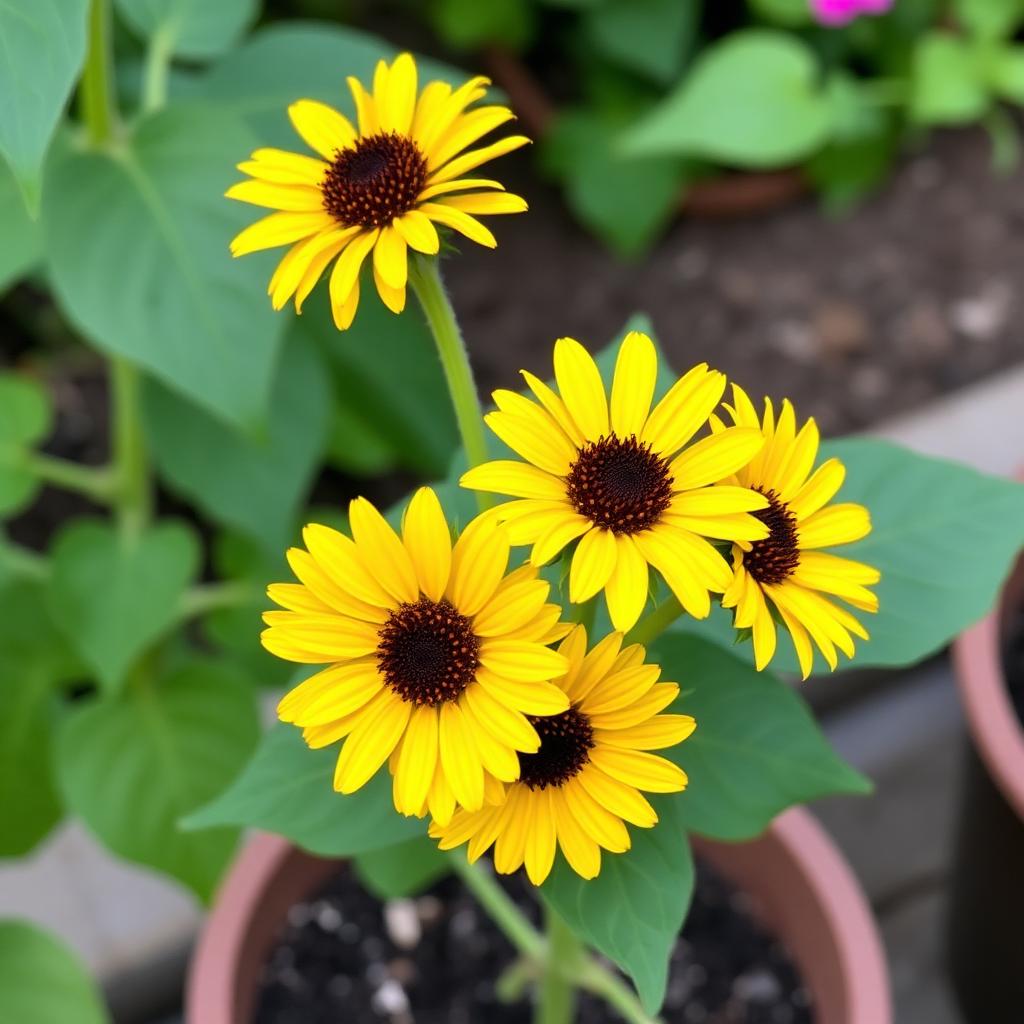
EasySuntastic
- Height
- Around 30 to 50 cm
- Flower
- Multiple bright yellow flowers on a single compact plant
- Best for
- Pots, patios, mass display
- Grow in
- Pot
Why try it. Branches naturally and covers itself in flowers, so a single pot reads as a small bouquet.
Beginner note. Choose a wider pot to support the branching habit and keep the plant well watered.
Giant sunflowers
Giant sunflowers are spectacular when they work, and frustrating when they do not. They need deeper, more fertile soil than the average border can offer, full sun all day, generous spacing, consistent water, and almost always a stake. The reward is height and flower size that no dwarf variety can match, and a strong attraction for pollinators and birds later in the season.
 Moderate
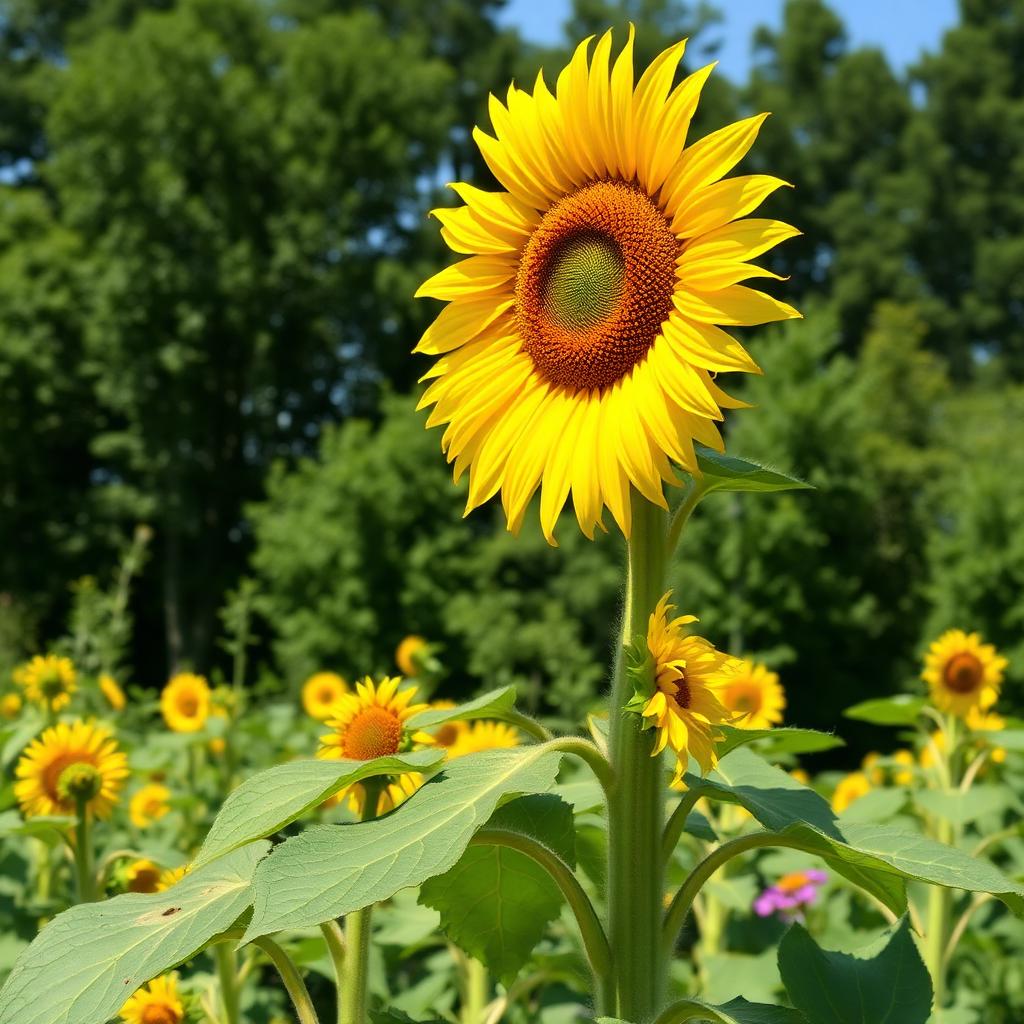
Mammoth
- Height
- Often around 2 to 3 metres or more in good conditions
- Flower
- Single huge yellow flower head with a brown disc
- Best for
- Statement plants, seed heads, kids' competitions
- Grow in
- Ground
Why try it. The classic giant. Easy enough to grow, with the impact people expect from the word sunflower.
Beginner note. Stake early. Even a strong stem can struggle once the heavy flower opens.
 Advanced
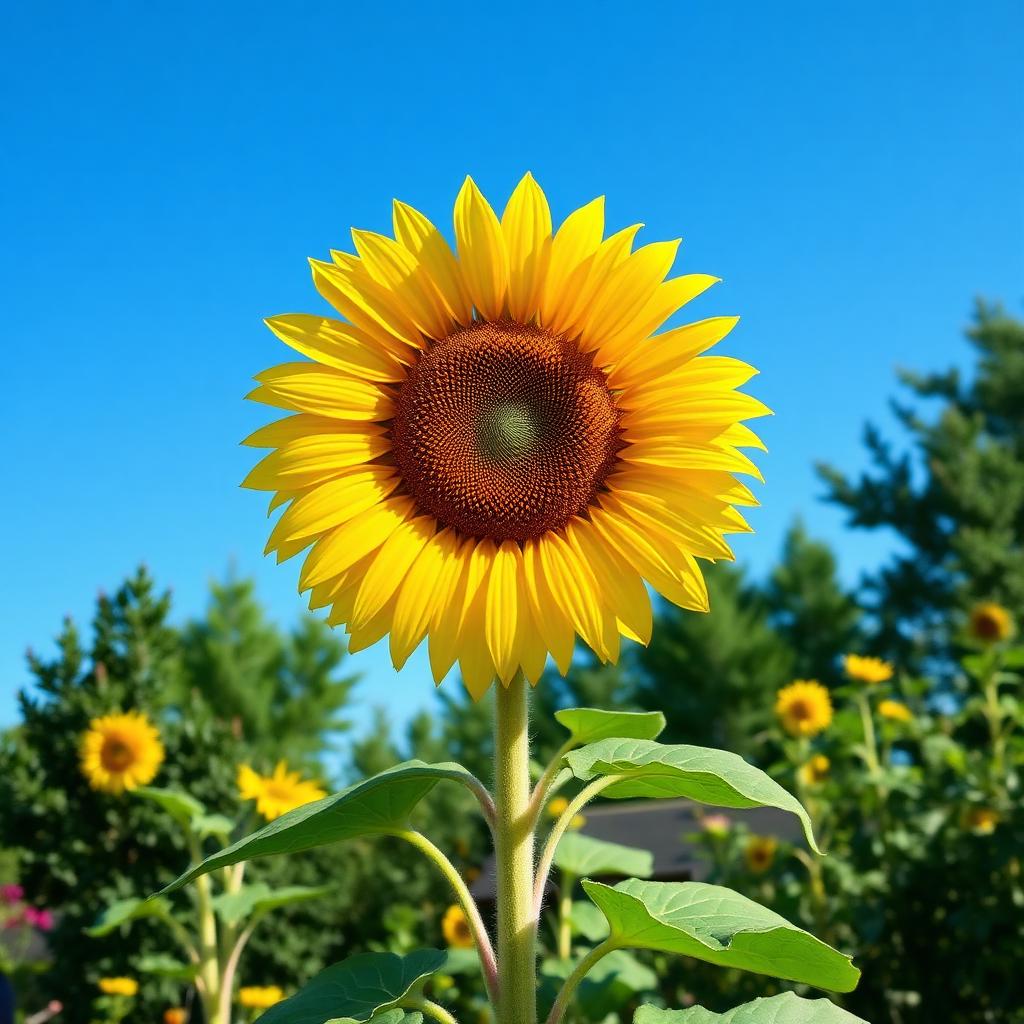
Mongolian Giant
- Height
- Often around 2.5 to 4 metres in a good season
- Flower
- Very large golden yellow head, often packed with seeds
- Best for
- Tall back-of-border displays, seed harvest
- Grow in
- Ground
Why try it. One of the tallest seed strains around when given deep soil and a long warm season.
Beginner note. Needs space, a long season, and steady water. Not the best beginner choice.
 Moderate
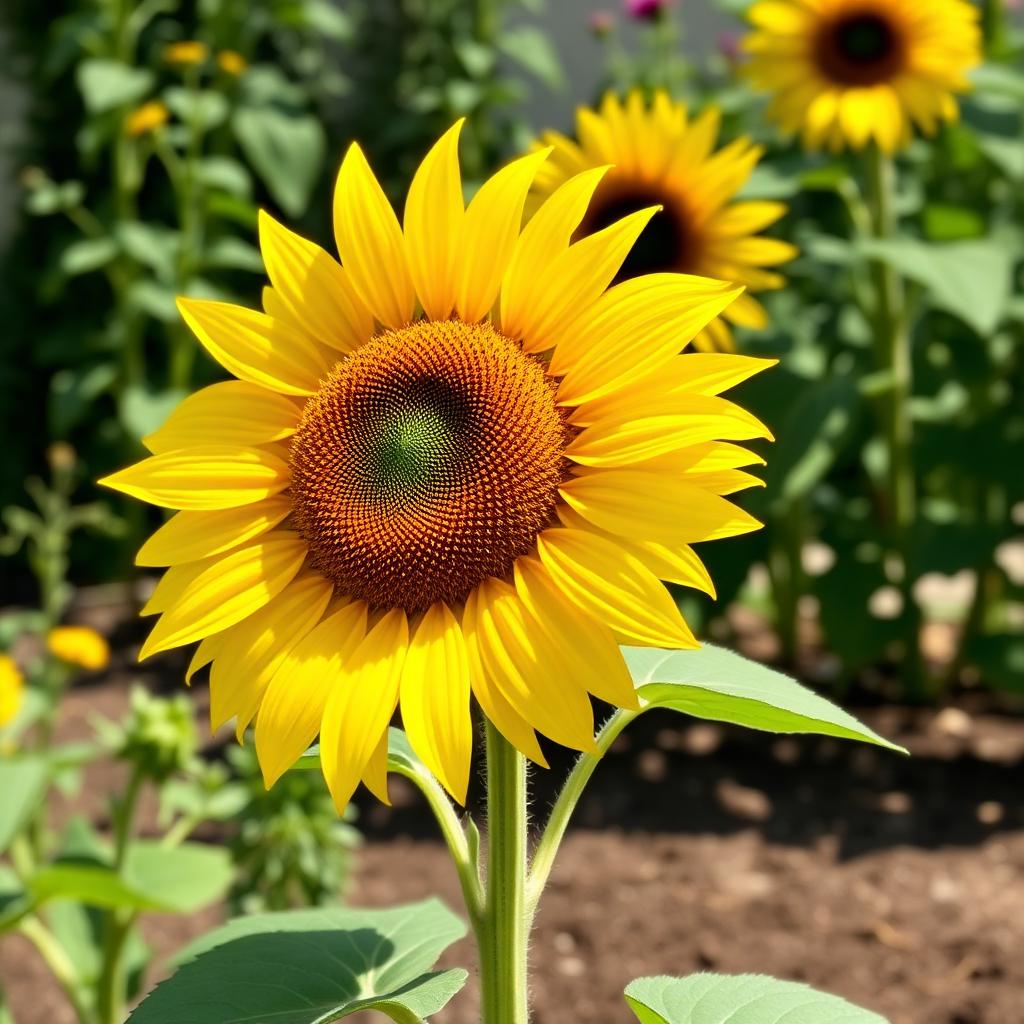
American Giant
- Height
- Often around 3 to 4 metres in a good season
- Flower
- Large yellow flower head on a tall sturdy stem
- Best for
- Statement plants, tall borders, screens
- Grow in
- Ground
Why try it. Bred for serious height with a reasonably sturdy stem compared to some other giants.
Beginner note. Choose an open, sheltered spot. Wind is the enemy of any very tall sunflower.
 Moderate
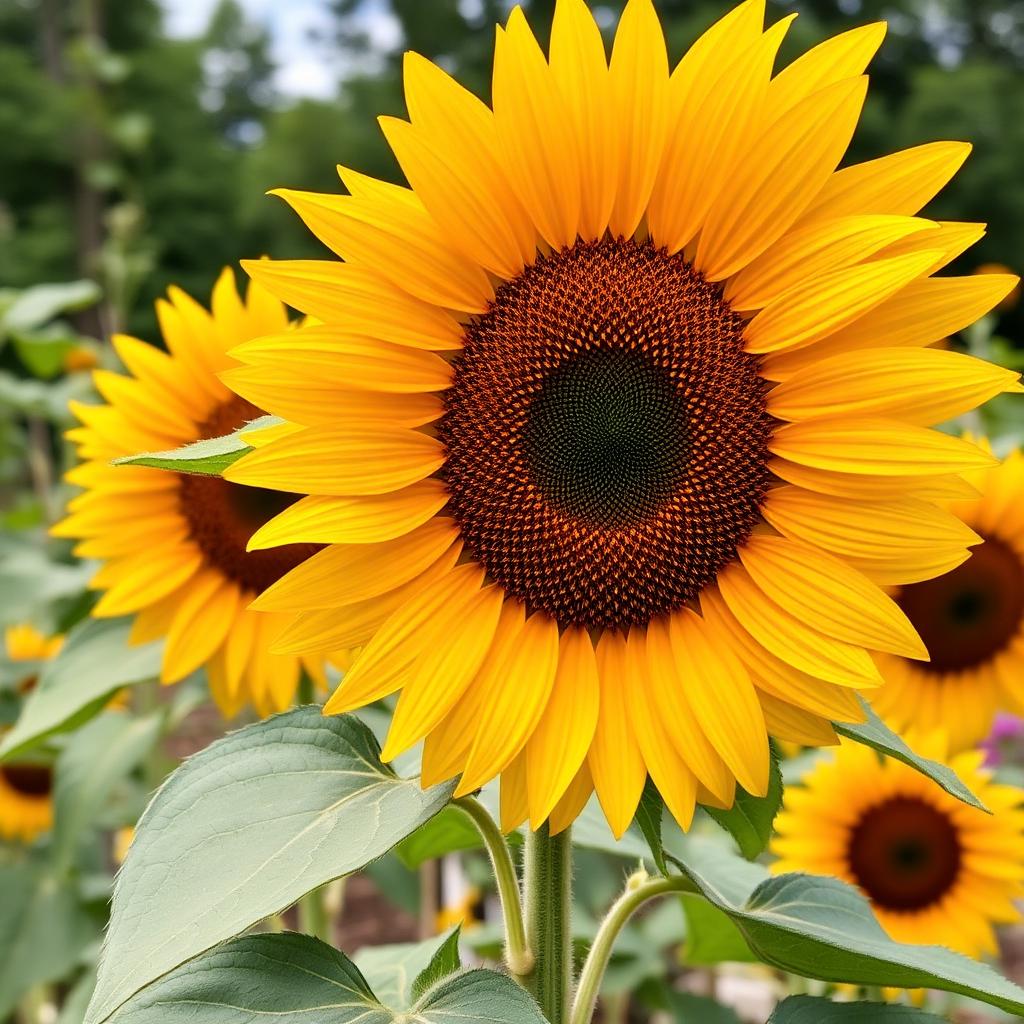
Russian Giant
- Height
- Often around 2 to 3 metres in good conditions
- Flower
- Massive yellow flower head with broad leaves below
- Best for
- Country gardens, seed heads, wildlife
- Grow in
- Ground
Why try it. Traditional tall variety with a reliable reputation in open ground.
Beginner note. Allow plenty of spacing between plants so each one has room to bulk up.
 Advanced
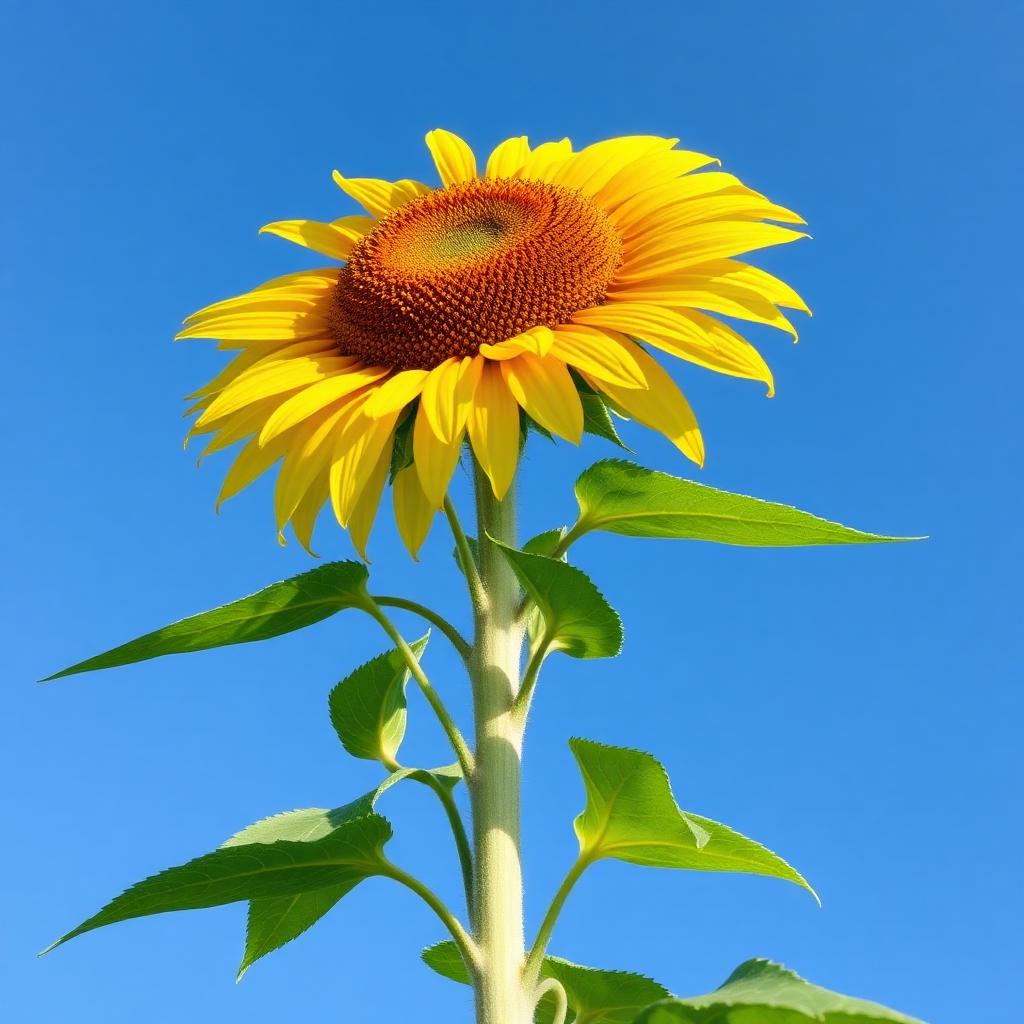
Skyscraper
- Height
- Often around 3 to 4 metres or taller
- Flower
- Large yellow flower on an exceptionally tall stem
- Best for
- Statement height, novelty, tall screens
- Grow in
- Ground
Why try it. Built for sheer height. Looks dramatic against a fence or wall when given the right spot.
Beginner note. Stake at planting and tie at intervals as the plant grows.
Height claims are estimates, not promises
9 sunflower varieties to try
This short list keeps the range broad and the choices reliable. There is a dwarf, a small classic, two giants, a bicolor border favourite, a soft pollinator-friendly cultivar, a rich red, a creamy white, and a deep maroon. Any of them will give you a strong starting point for next season's pots and borders.
- Easy
Teddy Bear
- Height
- Around 40 to 60 cm
- Flower
- Fluffy double golden yellow pompoms
- Best for
- Pots, kids, novelty cutting
- Grow in
- Pot or ground
Why try it. Looks nothing like the standard sunflower and almost always pleases.
Beginner note. An easy first sunflower if you only have a pot or a small bed.
- Easy
Sunspot
- Height
- Around 40 to 60 cm
- Flower
- Large yellow flower with dark centre on a short stem
- Best for
- Pots, patios, small borders
- Grow in
- Pot or ground
Why try it. A full-sized sunflower head on a dwarf plant.
Beginner note. One plant per medium pot gives the cleanest look.
- Moderate
Mammoth
- Height
- Often 2 to 3 metres or more in good soil
- Flower
- Single huge yellow flower with brown disc
- Best for
- Height, seed heads, kids' tallest-plant projects
- Grow in
- Ground
Why try it. The classic giant most people picture when they hear the word sunflower.
Beginner note. Stake early and water steadily in dry summers.
- Advanced
Mongolian Giant
- Height
- Often 2.5 to 4 metres in a good season
- Flower
- Very large golden head, often packed with seeds
- Best for
- Tall back-of-border, seed harvest
- Grow in
- Ground
Why try it. One of the tallest available with a long history of impressive results.
Beginner note. Needs a long, warm season. Skip in a short summer.
 Easy
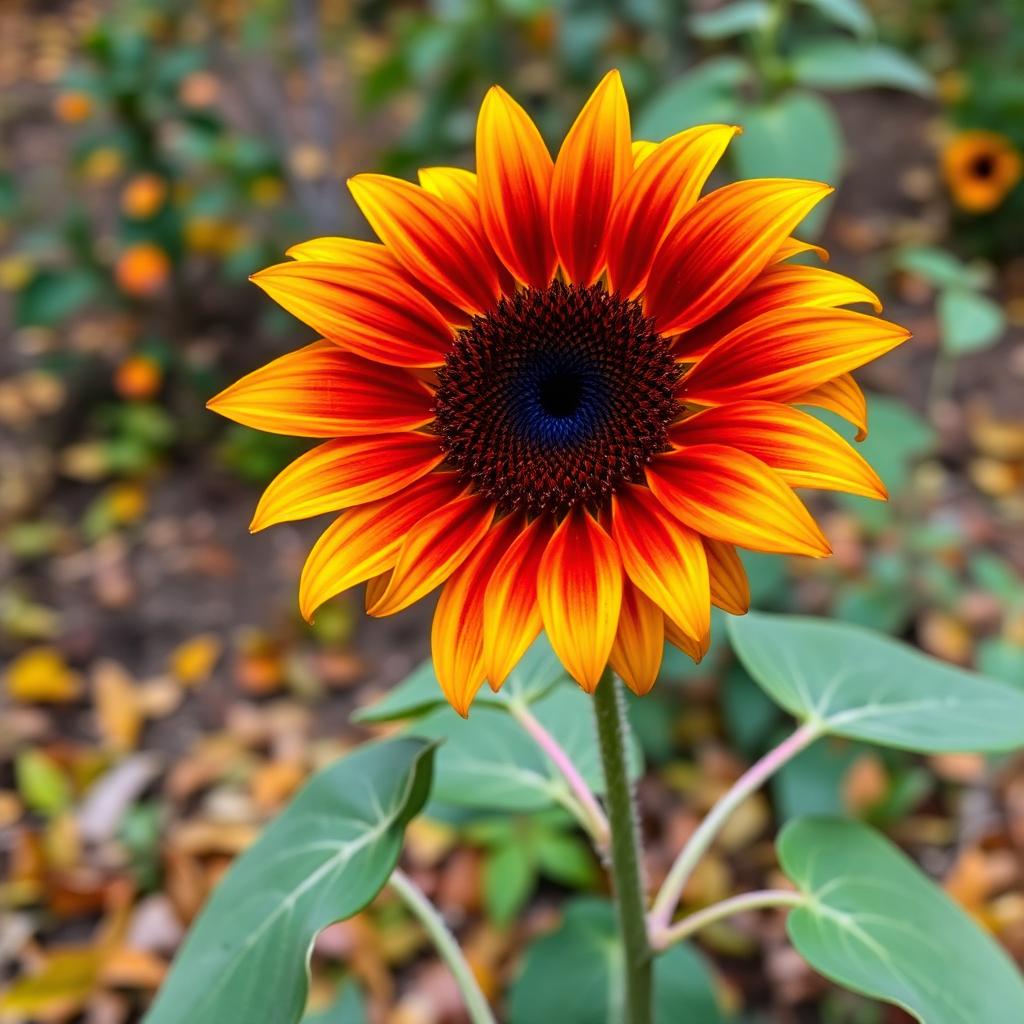
EasyAutumn Beauty
- Height
- Around 1.5 to 2 metres
- Flower
- Warm bicolor rust and yellow petals around a dark centre
- Best for
- Borders, cut flowers, late summer colour
- Grow in
- Ground
Why try it. Rich autumnal tones and a long flowering window from a branching plant.
Beginner note. Plant a small group rather than a single stem for the best effect.
 Easy
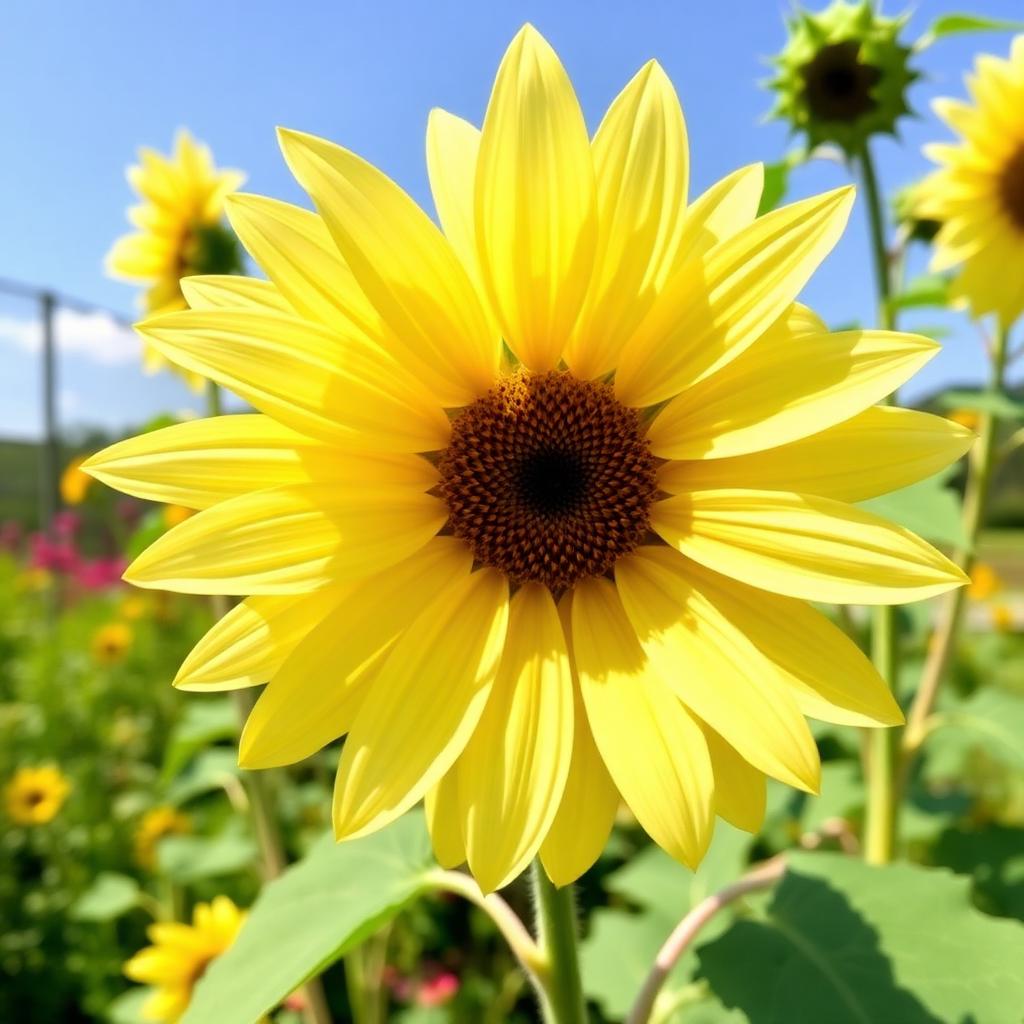
EasyLemon Queen
- Height
- Around 1.5 to 2 metres
- Flower
- Soft pale lemon yellow petals around a small dark centre
- Best for
- Pollinators, borders, naturalistic planting
- Grow in
- Ground
Why try it. Bees love it, and the cool yellow shade is easier to place than bold golden colours.
Beginner note. Pair with grasses or other late summer perennials for a relaxed look.
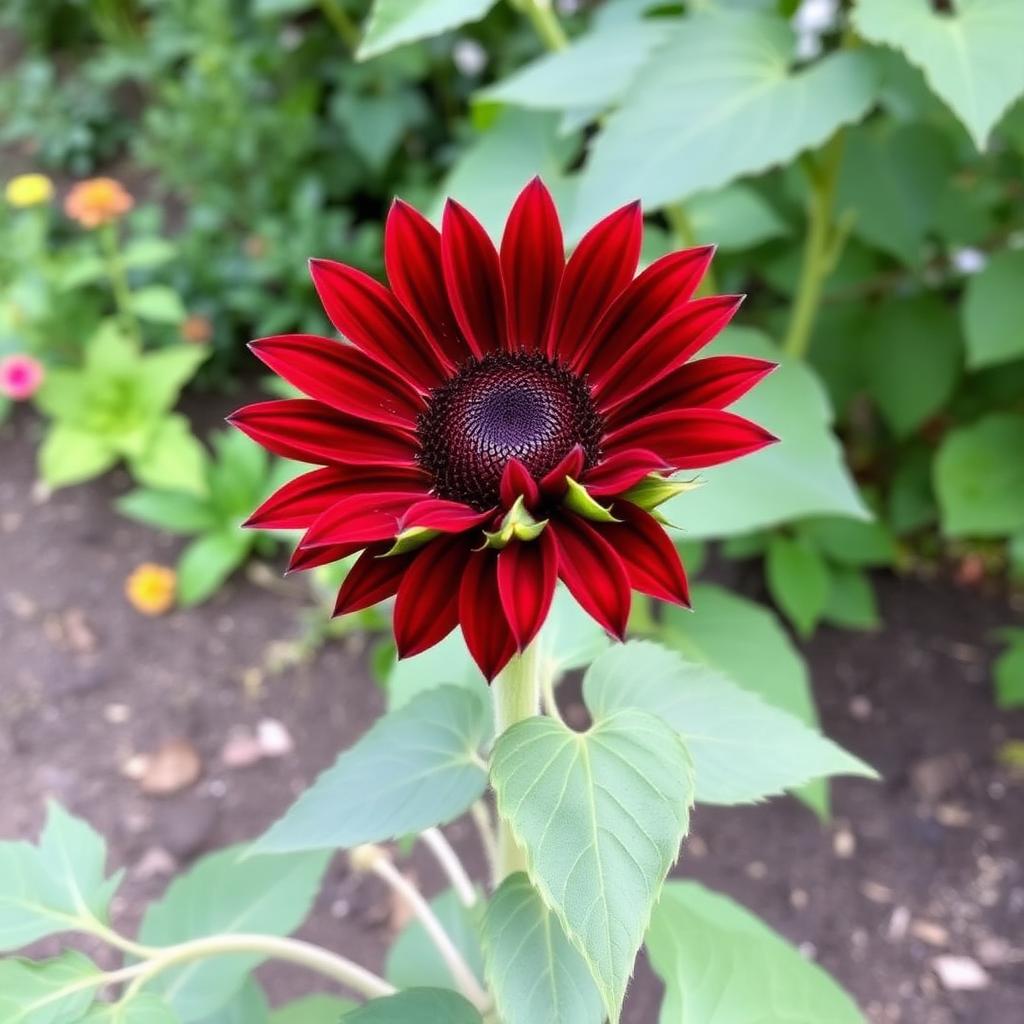 Easy
EasyVelvet Queen
- Height
- Around 1.5 to 2 metres
- Flower
- Deep burgundy and mahogany red velvety petals
- Best for
- Borders, cut flowers, rich colour schemes
- Grow in
- Ground
Why try it. A moody alternative to bright yellow that still reads clearly as a sunflower.
Beginner note. Plant against a paler background so the dark colour stands out.
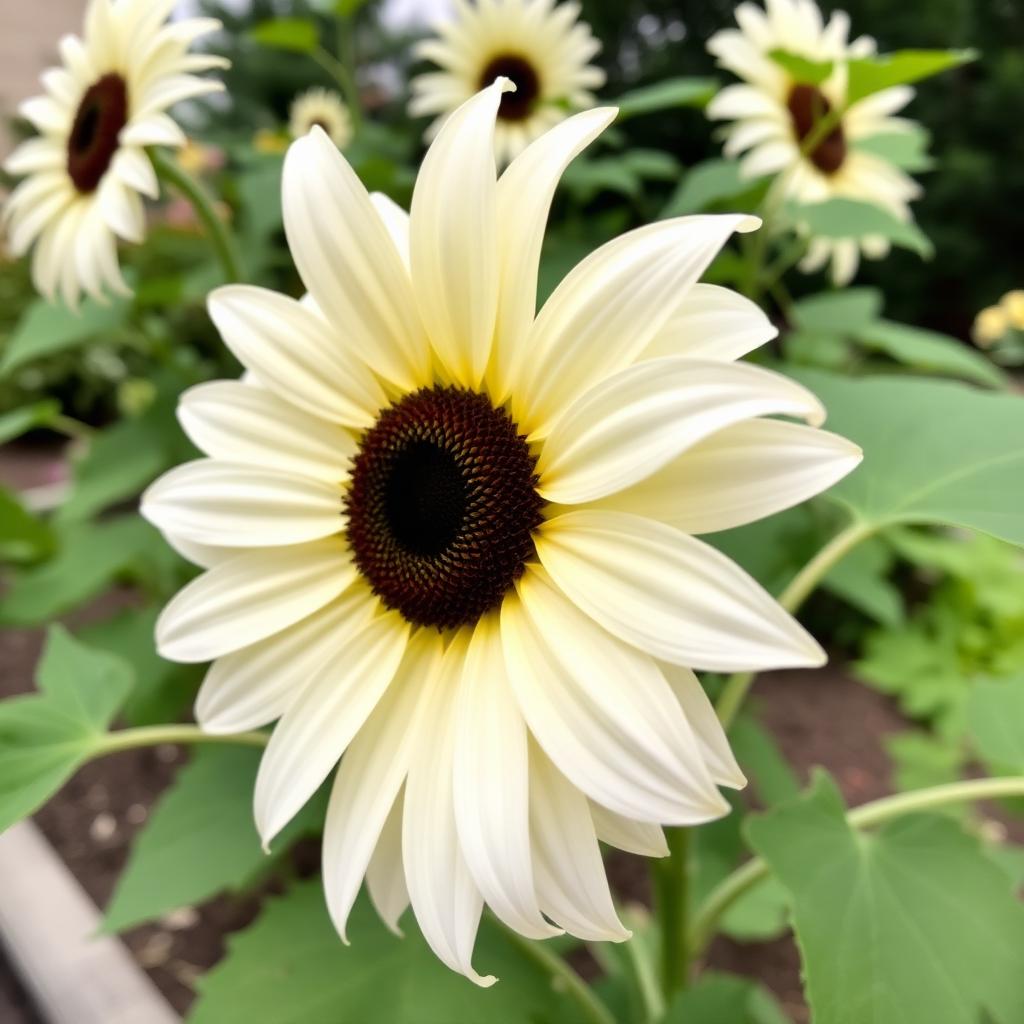 Easy
EasyItalian White
- Height
- Around 1.5 to 1.8 metres
- Flower
- Pale creamy white petals around a dark chocolate centre
- Best for
- Borders, elegant cut flowers, evening gardens
- Grow in
- Ground
Why try it. Branching habit and pale flowers make this one of the most refined sunflowers around.
Beginner note. Cut flowers regularly to encourage more to follow.
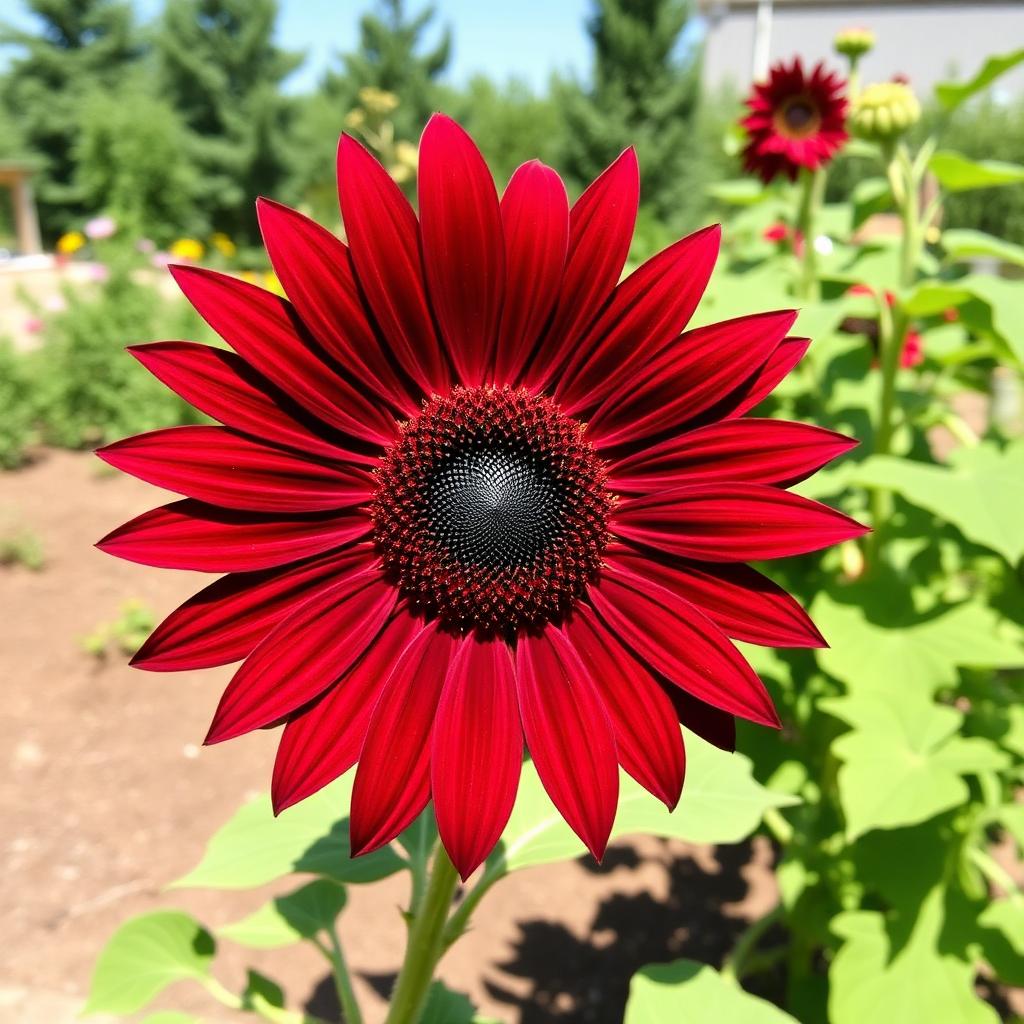 Easy
EasyMoulin Rouge
- Height
- Around 1.2 to 1.8 metres
- Flower
- Deep dark red maroon petals around a very dark centre
- Best for
- Borders, dramatic cut flowers, rich colour
- Grow in
- Ground
Why try it. One of the darkest sunflowers available. Reads almost black in some light.
Beginner note. Pollenless, so cleaner for vases. Still attractive to pollinators visiting other plants.
Common sunflower growing mistakes
Planting before the soil warms
Why it causes problems. Cold soil slows germination and weakens early roots. Seeds can rot in cold, wet ground before they ever sprout.
Better approach. Wait until after the last frost and the soil feels warm. A late start is almost always better than a cold one.
Sowing seeds too deep
Why it causes problems. A seed sown too deep uses up its energy reaching the surface, then emerges as a weak seedling, if it emerges at all.
Better approach. Sow about 1 inch deep as a starting point, and adjust slightly for the specific seed size if the packet recommends it.
Letting seedlings dry out
Why it causes problems. Young seedlings have shallow roots and dry out faster than mature plants. A single missed watering in hot weather can kill them.
Better approach. Check soil moisture daily during the seedling phase. Keep the soil lightly moist but not soggy.
Overcrowding plants
Why it causes problems. Crowded sunflowers compete for light, water, and nutrients. The result is leggy stems and smaller flowers.
Better approach. Thin seedlings early to the spacing on the seed packet, even when it feels harsh to remove healthy plants.
Choosing giant varieties for small pots
Why it causes problems. Giants need root room, water, and stability that a small pot cannot provide. The plant stunts, dries out, or topples once the flower opens.
Better approach. Match the variety to the container. Use dwarf varieties for pots and giants for deep, open ground.
Forgetting to stake tall sunflowers
Why it causes problems. A tall sunflower with a heavy flower head can snap or fall in a single windy afternoon, especially after rain softens the soil.
Better approach. Push a stake in beside tall varieties early, and tie the stem loosely as it grows so it can flex in the wind.
Using too much nitrogen fertilizer
Why it causes problems. Excess nitrogen pushes leafy growth at the expense of flowers. The plant looks lush but blooms poorly.
Better approach. Avoid heavy nitrogen feeds. A modest balanced feed, or no feeding at all in decent soil, is usually best.
Planting in too much shade
Why it causes problems. Sunflowers in shade lean toward any available light, produce weaker stems, and bloom smaller and later.
Better approach. Choose the sunniest spot you have, and pick a shorter variety if your spot has fewer hours of direct sun.
Leaving young seedlings unprotected from pests
Why it causes problems. Slugs, snails, birds, and squirrels can wipe out a row of seedlings overnight. Sunflower seeds and shoots are very appealing to wildlife.
Better approach. Use mesh, fleece, cloches, or simple slug control around vulnerable seedlings until they are large enough to cope.
Transplanting rootbound seedlings too late
Why it causes problems. A sunflower kept too long in a small pot becomes rootbound and checks badly when finally planted out, sometimes never recovering fully.
Better approach. Sow into deeper cells or biodegradable pots and plant out as soon as the weather allows.
Most sunflower problems start early
Pests and problems to watch for
Sunflowers are generally tough plants once established, but a few problems show up often enough to be worth recognising. The list below is practical rather than alarmist. Identify the cause before you treat anything, because the same symptom can have very different causes.
Common sunflower problems
- Slugs and snails on seedlings, often overnight in damp weather.
- Birds or squirrels taking seeds straight out of the ground or off ripe heads.
- Aphids clustering on stems and buds, especially in warm spells.
- Powdery mildew on lower leaves in crowded or humid conditions.
- Wind damage to tall stems, especially after heavy rain.
- Weak, leggy stems from low light or overcrowding.
- Drooping from very dry soil, heat stress, or transplant shock.
- Yellowing leaves from overwatering or poor drainage.
Read the symptom before reaching for a fix
What to do after sunflowers bloom
Once the flowers fade, you have a small set of useful choices. Different gardeners do different things with the same plant, and there is no single correct path. The list below covers the most common options and what each one tends to look like in practice.
After-flowering options
- Leave seed heads standing for birds to feed on through autumn and into winter.
- Cut flowers for indoor arrangements before they peak, for a longer vase life.
- Save seeds only from suitable open-pollinated varieties, after the head has dried fully on the plant.
- Remove spent plants at the end of the season and clear the area for what follows.
- Compost healthy plant material where appropriate, after removing any diseased or pest-affected parts.
- Treat most annual sunflowers as a one-season planting rather than expecting them to return as perennials.
Saved seed is hopeful, not guaranteed
Useful supplies for growing sunflowers
You do not need much equipment to grow sunflowers well. Seeds, a sunny spot, and decent soil cover most of it. The categories below are the supplies most worth having on hand if you do not have them already. Links are placeholders only, and these supplies have not been tested by Blooming Lucky.
Affiliate disclosure. Blooming Lucky may earn a commission if you buy through some links, at no extra cost to you.
Best beginner sunflower setup
The first sunflower season is usually most enjoyable when it is kept simple. Pick a variety that suits your space, sow at the right time, and resist the urge to overcomplicate the rest. The two routes below cover the most common starting points.
Ground planting
A sunny border with a medium-height variety
- Choose a sunny spot with at least six hours of direct sun.
- Pick a medium-height or dwarf variety for the first season.
- Direct sow after frost risk passes and the soil warms.
- Thin seedlings so each plant has the spacing on the packet.
- Water during dry spells, especially while young.
- Stake early if the plant grows tall.
Pot growing
A dwarf variety in a sturdy pot
- Choose a dwarf sunflower such as Teddy Bear, Sunspot, or Big Smile.
- Use a pot with real drainage holes and quality potting mix.
- Keep the pot in full sun for at least six hours a day.
- Water consistently so the compost stays lightly moist.
- Avoid giant varieties in small containers.
- Move the pot into view as the flower opens.
Beginners should start with dwarf or medium-height sunflowers before trying giant varieties. The lessons learned from one straightforward season make a difficult variety much easier to grow well in the next.
Frequently asked questions
How do you grow sunflowers from seed?
When should you plant sunflower seeds?
How deep do you plant sunflower seeds?
How long do sunflowers take to grow?
Can sunflowers grow in pots?
What are the best dwarf sunflowers?
What are the best giant sunflowers?
Do sunflowers need full sun?
How often should you water sunflowers?
Do sunflowers need staking?
Can you start sunflower seeds indoors?
Why are my sunflower seedlings leggy?
Why is my sunflower drooping?
Can you save sunflower seeds to plant next year?
Final advice
A healthy medium-height sunflower in the right spot is almost always a better experience than a giant variety struggling in the wrong one. Choose the sunflower for the space, plant after frost risk has passed and the soil has warmed, give it full sun, sow at a sensible depth, thin seedlings rather than crowding them, water young plants well, stake tall varieties early, and use dwarf sunflowers for pots. Keep the first season simple, and the next one will be far easier.
Related reads
Keep reading
- HubPlants for every garden and situationBrowse plant guides by leaf, colour, light, climate, and intended use.Read guide
- HubGarden design guides and ideasLong form articles on structure, planting style, evergreens, borders, and small space planning.Read guide
- HubPots and containers for patio gardeningContainer ideas for patios, balconies, and small gardens, including dwarf flowering plants.Read guide
- Plant guideLarge leaved plants for indoors and shady bordersBold foliage plants that pair well with the bright simple shape of summer sunflowers.Read guide
- Plant guideLime green plants for shaded borders and bright accentsChartreuse foliage and flowers to lift dark corners and pair with sunny summer planting.Read guide
- Container guideBulb lasagne: how to layer bulbs in pots for springA natural follow-on once the summer sunflowers are over and the autumn bulb season begins.Read guide