- Original guide
- Beginner friendly
- Updated 2026
- Affiliate disclosed
What counts as a large-leaf plant?
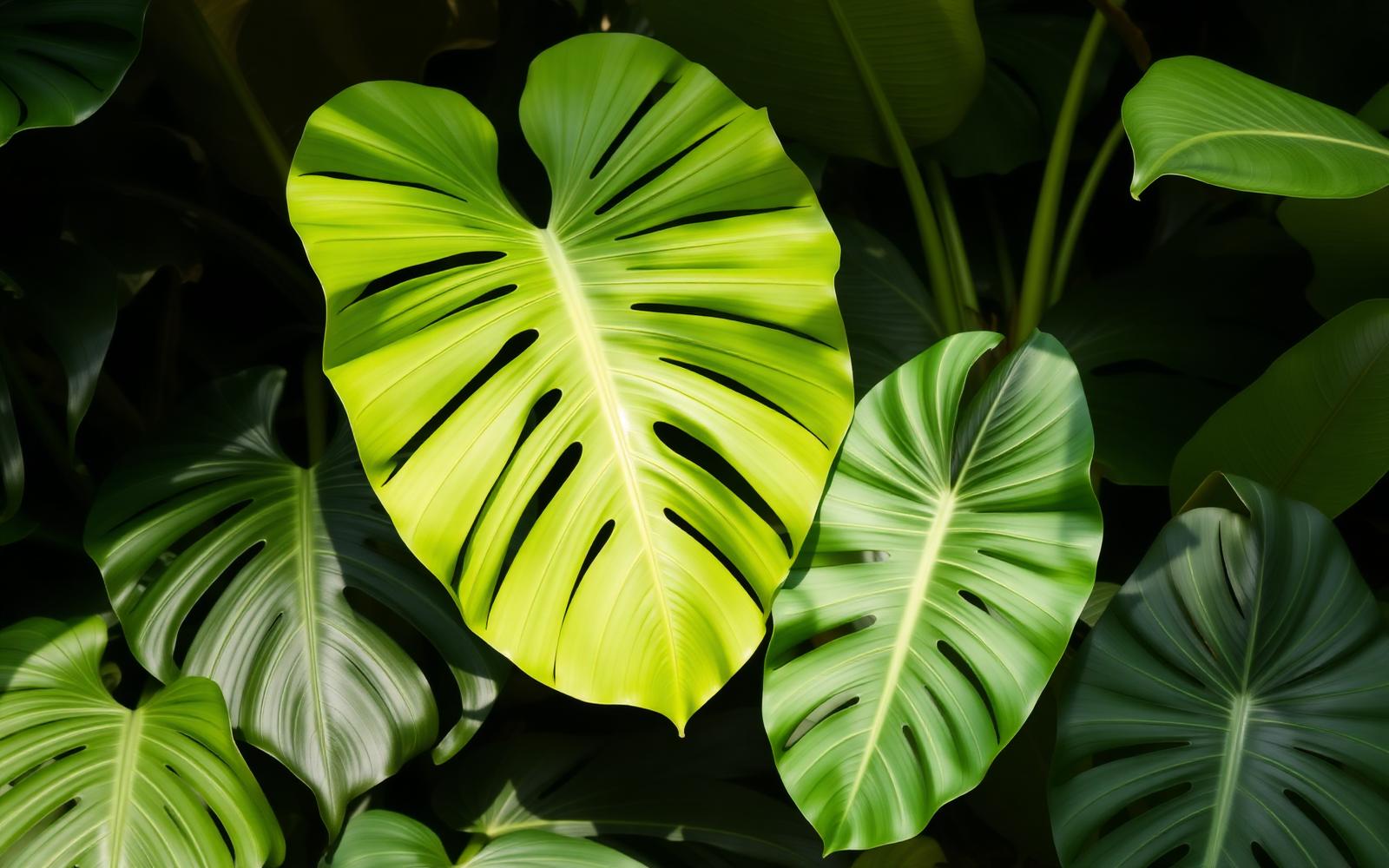
Large leaves can mean a lot of different things. A monstera leaf is huge because it is broad and deeply split. A banana leaf is huge because it is long and paddle-shaped. A gunnera leaf is huge because it is round, ribbed and almost umbrella-sized. The common thread is presence: one leaf reads from across the room or across the garden and gives a planting an immediate centre of gravity.
Some big-leaf plants are tropical houseplants that need warm rooms and bright indirect light. Some are hardy outdoor perennials happy in cool damp shade. Some are seasonal patio plants that look tropical for one summer in a container, then need lifting before frost. Leaf size on its own is not enough to choose by. Mature size, light, water needs, hardiness and space all matter more than the photo on the plant label.
A good large-leaf plant should match
- Light level in the room or garden spot.
- Indoor or outdoor placement, including humidity.
- Pot growing or planting straight into the ground.
- Mature size, both height and spread.
- Water needs and how often you can realistically check.
- Wind exposure, especially for tearable thin leaves.
- Winter hardiness for your local climate.
- Maintenance level you actually want to commit to.
Best plants with large leaves at a glance
Use the table below to scan the most popular big-leaf plants by where they grow best. Match the location and light first, then read down to difficulty and why each one works. On mobile the table becomes stacked cards so nothing scrolls sideways.
| Plant | Best for | Where | Light | Moisture | Difficulty | Why it works |
|---|---|---|---|---|---|---|
| Monstera deliciosa | Indoor focal plant | Indoor | Bright indirect | Even, not wet | Easy | Iconic split leaves, forgiving and fast to fill a corner. |
| Fiddle leaf fig | Bright living rooms | Indoor | Bright indirect to gentle sun | Even, never soggy | Moderate | Sculptural violin-shaped leaves with strong vertical presence. |
| Rubber plant | Beginner statement plant | Indoor | Bright indirect | Even | Easy | Thick glossy leaves and a forgiving constitution. |
| Bird of paradise | Bright airy rooms | Indoor | Bright, some direct | Moderate | Moderate | Large paddle leaves and the most tropical feel of any indoor plant. |
| Alocasia | Statement houseplant | Both | Bright indirect | Even humidity | Moderate | Arrow-shaped leaves with strong veining. |
| Colocasia (elephant ear) | Summer patio drama | Outdoor | Bright, some sun | Consistently moist | Moderate | Huge heart-shaped leaves that read as fully tropical. |
| Calathea orbifolia | Humid bathrooms or kitchens | Indoor | Medium indirect | High humidity | Moderate | Round silver-striped leaves with quiet movement. |
| Philodendron gloriosum | Statement shelf plant | Indoor | Medium to bright indirect | Even, warm | Moderate | Velvety heart-shaped leaves with bold pale veining. |
| Banana plant | Sheltered tropical look | Outdoor | Sun to part sun | Moist, sheltered | Moderate | Large paddle leaves on a fast-growing trunk. |
| Canna | Sunny borders and pots | Outdoor | Full sun | Moist | Easy | Broad green or bronze leaves and bright flowers. |
| Fatsia japonica | Shaded outdoor corners | Outdoor | Shade to part shade | Even | Easy | Glossy hand-shaped leaves that thrive where many plants give up. |
| Hosta | Shaded borders | Outdoor | Shade to part shade | Consistently moist | Easy | Reliable ribbed leaves in many sizes and colours. |
| Rodgersia | Damp shaded borders and ponds | Outdoor | Part shade | Moist to wet | Moderate | Bronze pleated leaves like a giant chestnut. |
| Ligularia | Moist shade with flowers | Outdoor | Part shade | Moist | Moderate | Large rounded leaves and bright yellow daisies. |
| Farfugium japonicum | Shaded sheltered corners | Outdoor | Shade to part shade | Even | Moderate | Glossy rounded leaves that handle low light gracefully. |
| Gunnera | Large damp gardens only | Outdoor | Part shade | Wet | Advanced | The biggest leaves a temperate garden can grow. |
Monstera deliciosa
Indoor- Best for
- Indoor focal plant
- Light
- Bright indirect
- Moisture
- Even, not wet
- Level
- Easy
- Why
- Iconic split leaves, forgiving and fast to fill a corner.
Fiddle leaf fig
Indoor- Best for
- Bright living rooms
- Light
- Bright indirect to gentle sun
- Moisture
- Even, never soggy
- Level
- Moderate
- Why
- Sculptural violin-shaped leaves with strong vertical presence.
Rubber plant
Indoor- Best for
- Beginner statement plant
- Light
- Bright indirect
- Moisture
- Even
- Level
- Easy
- Why
- Thick glossy leaves and a forgiving constitution.
Bird of paradise
Indoor- Best for
- Bright airy rooms
- Light
- Bright, some direct
- Moisture
- Moderate
- Level
- Moderate
- Why
- Large paddle leaves and the most tropical feel of any indoor plant.
Alocasia
Both- Best for
- Statement houseplant
- Light
- Bright indirect
- Moisture
- Even humidity
- Level
- Moderate
- Why
- Arrow-shaped leaves with strong veining.
Colocasia (elephant ear)
Outdoor- Best for
- Summer patio drama
- Light
- Bright, some sun
- Moisture
- Consistently moist
- Level
- Moderate
- Why
- Huge heart-shaped leaves that read as fully tropical.
Calathea orbifolia
Indoor- Best for
- Humid bathrooms or kitchens
- Light
- Medium indirect
- Moisture
- High humidity
- Level
- Moderate
- Why
- Round silver-striped leaves with quiet movement.
Philodendron gloriosum
Indoor- Best for
- Statement shelf plant
- Light
- Medium to bright indirect
- Moisture
- Even, warm
- Level
- Moderate
- Why
- Velvety heart-shaped leaves with bold pale veining.
Banana plant
Outdoor- Best for
- Sheltered tropical look
- Light
- Sun to part sun
- Moisture
- Moist, sheltered
- Level
- Moderate
- Why
- Large paddle leaves on a fast-growing trunk.
Canna
Outdoor- Best for
- Sunny borders and pots
- Light
- Full sun
- Moisture
- Moist
- Level
- Easy
- Why
- Broad green or bronze leaves and bright flowers.
Fatsia japonica
Outdoor- Best for
- Shaded outdoor corners
- Light
- Shade to part shade
- Moisture
- Even
- Level
- Easy
- Why
- Glossy hand-shaped leaves that thrive where many plants give up.
Hosta
Outdoor- Best for
- Shaded borders
- Light
- Shade to part shade
- Moisture
- Consistently moist
- Level
- Easy
- Why
- Reliable ribbed leaves in many sizes and colours.
Rodgersia
Outdoor- Best for
- Damp shaded borders and ponds
- Light
- Part shade
- Moisture
- Moist to wet
- Level
- Moderate
- Why
- Bronze pleated leaves like a giant chestnut.
Ligularia
Outdoor- Best for
- Moist shade with flowers
- Light
- Part shade
- Moisture
- Moist
- Level
- Moderate
- Why
- Large rounded leaves and bright yellow daisies.
Farfugium japonicum
Outdoor- Best for
- Shaded sheltered corners
- Light
- Shade to part shade
- Moisture
- Even
- Level
- Moderate
- Why
- Glossy rounded leaves that handle low light gracefully.
Gunnera
Outdoor- Best for
- Large damp gardens only
- Light
- Part shade
- Moisture
- Wet
- Level
- Advanced
- Why
- The biggest leaves a temperate garden can grow.
Best indoor plants with large leaves
Indoor big-leaf plants need three things you can give them with very little fuss: enough light, a stable watering rhythm and a pot that will not tip. Bright indirect light from a large window suits most of the plants below. None of them want hot direct sun all day through glass, which scorches even thick leaves within a few afternoons. Give the plant room for its mature spread before you bring it home, not after.
 Easy
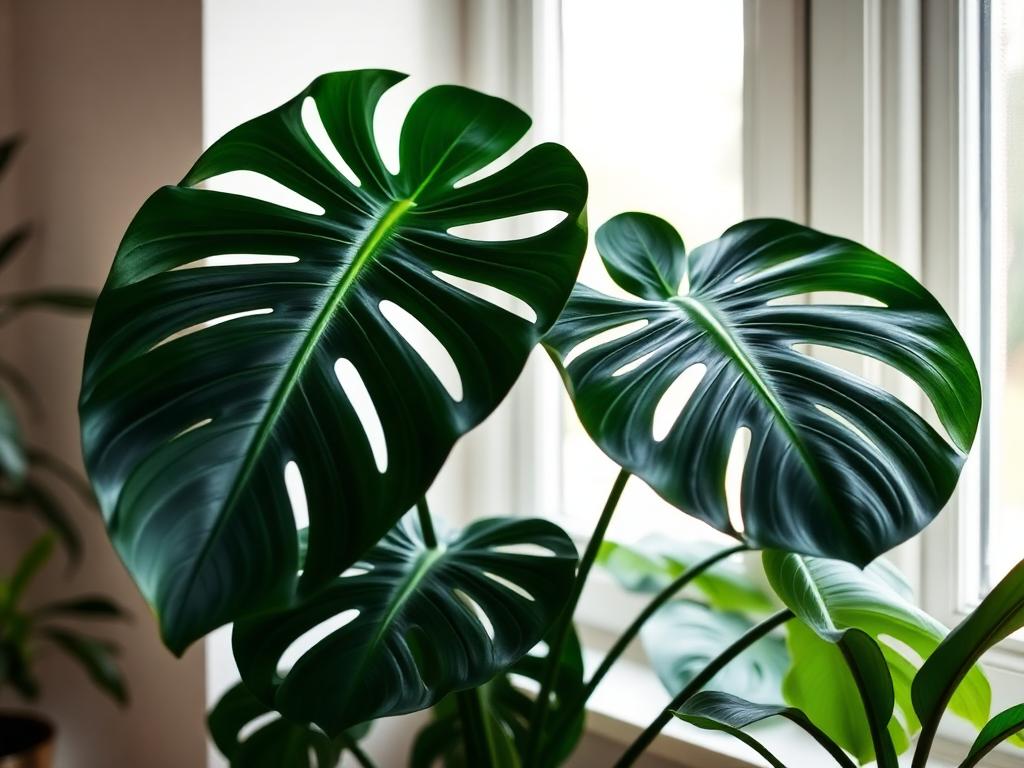
EasyMonstera deliciosa
Monstera deliciosa
- Best for
- Indoor focal plant in a bright corner
- Light
- Bright indirect light, no harsh direct sun
- Water
- Water when the top few centimetres of compost feel dry
- Mature size
- Reaches 2 to 3 metres tall indoors over several years
Why it works. The most reliable big-leaf houseplant for most homes, with iconic split leaves that get more dramatic as the plant matures.
Beginner note. Train onto a moss pole early. Wipe leaves monthly so they stay glossy.
 Moderate
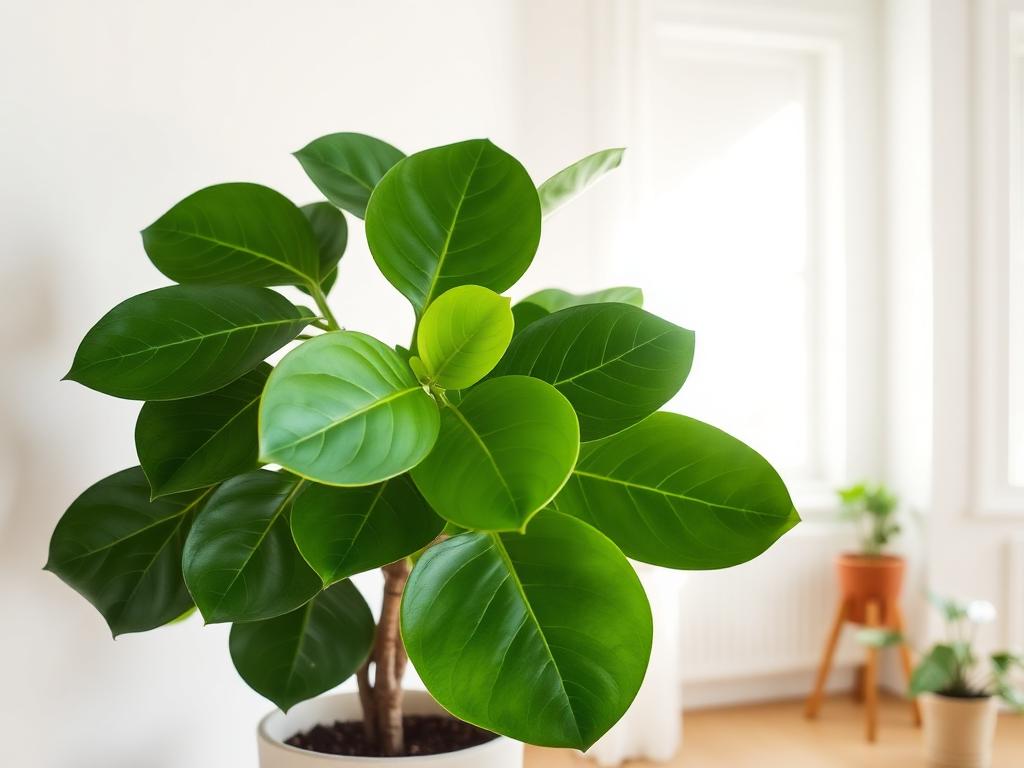
Fiddle leaf fig
Ficus lyrata
- Best for
- Tall sculptural focal plant in a bright room
- Light
- Bright indirect light, ideally near a large window
- Water
- Even watering, never soggy. Hates being moved
- Mature size
- Can reach 2 metres or more indoors
Why it works. Strong vertical presence and broad violin-shaped leaves that anchor a living room.
Beginner note. Pick a permanent spot and leave it. Sudden moves and drafts cause leaf drop.
 Easy
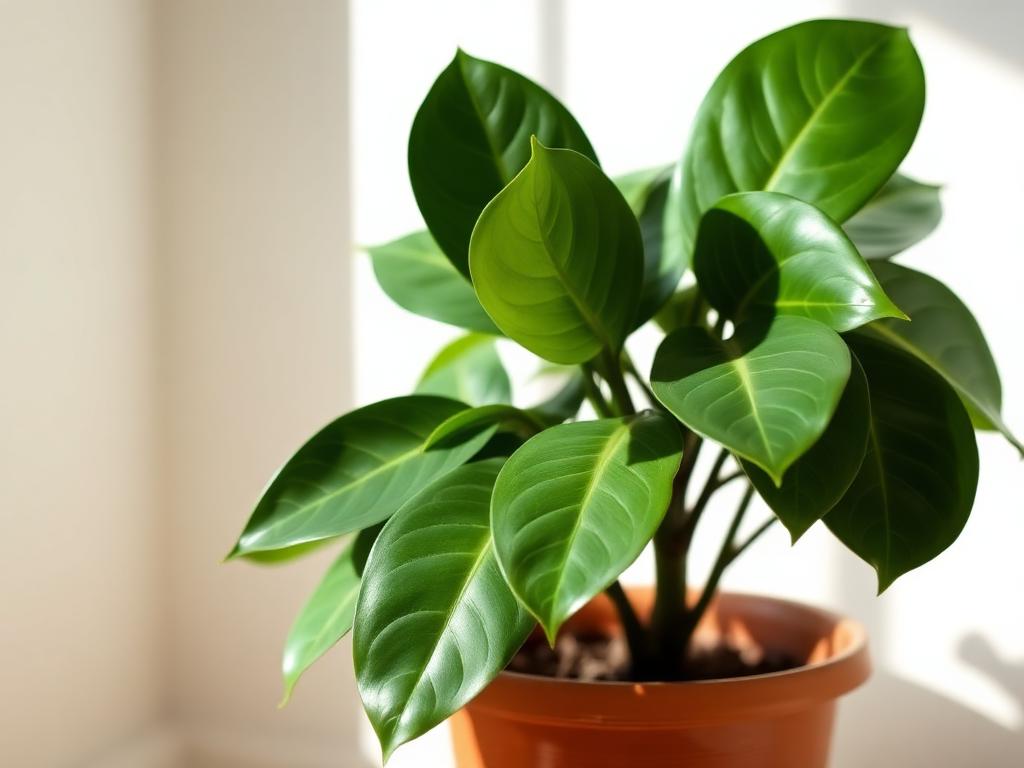
EasyRubber plant
Ficus elastica
- Best for
- Beginner statement plant for most rooms
- Light
- Bright indirect light; tolerates a little less
- Water
- Let the top of the compost dry before watering
- Mature size
- 1.5 to 2.5 metres indoors over time
Why it works. Thick glossy leaves, very forgiving of irregular care, and reads as instantly designed.
Beginner note. Wipe leaves monthly. Repot every two or three years for full leaf size.
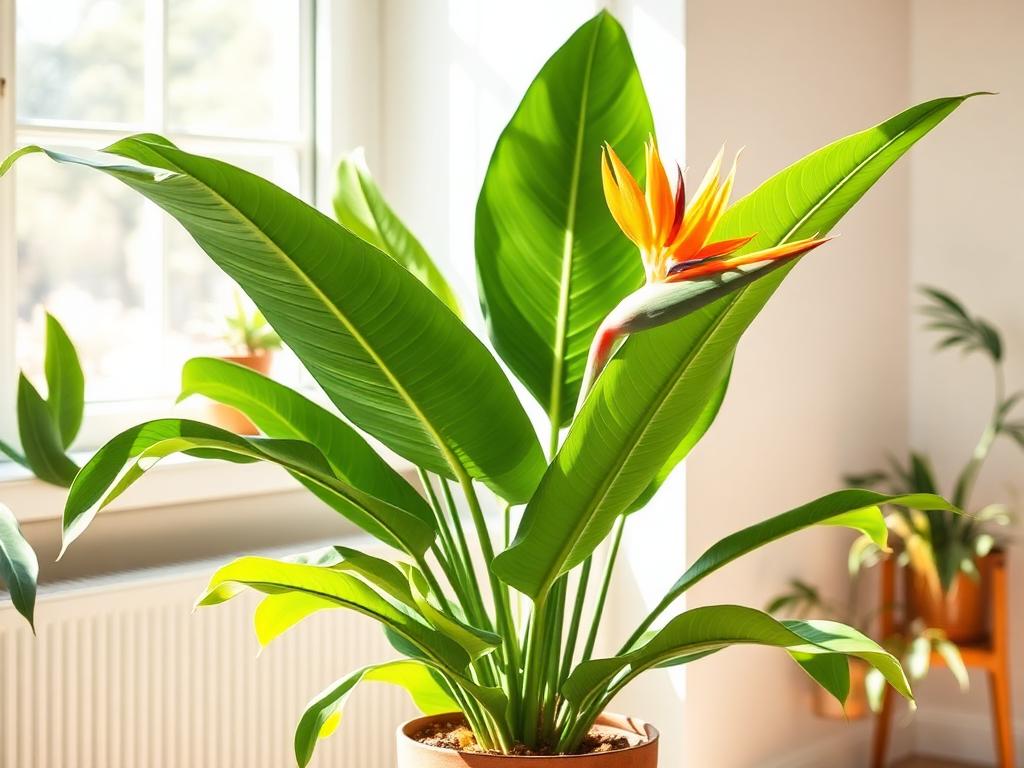 Moderate
Bird of paradise
Strelitzia nicolai or reginae
- Best for
- Bright airy rooms with plenty of light
- Light
- Bright, with some gentle direct sun
- Water
- Water thoroughly, then let the surface dry slightly
- Mature size
- Up to 2 metres indoors
Why it works. Large paddle leaves that bring the most tropical feel of any common houseplant.
Beginner note. Needs strong light to keep leaves whole. Low light leads to torn, narrow leaves.
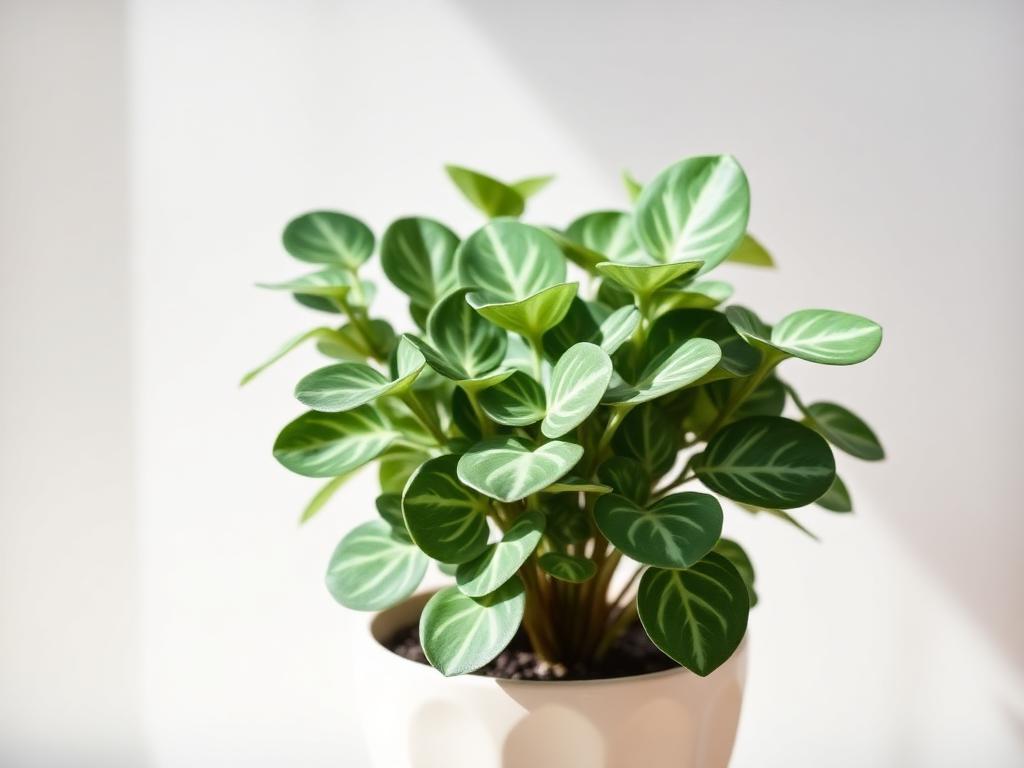 Moderate
Calathea orbifolia
Goeppertia orbifolia
- Best for
- Humid rooms, bathrooms and kitchens
- Light
- Medium indirect, never direct sun
- Water
- Consistently moist with high humidity
- Mature size
- Stays under 1 metre
Why it works. Round leaves with quiet silver striping that move gently through the day.
Beginner note. Use filtered or rainwater if your tap water is hard. Browning edges usually mean dry air.
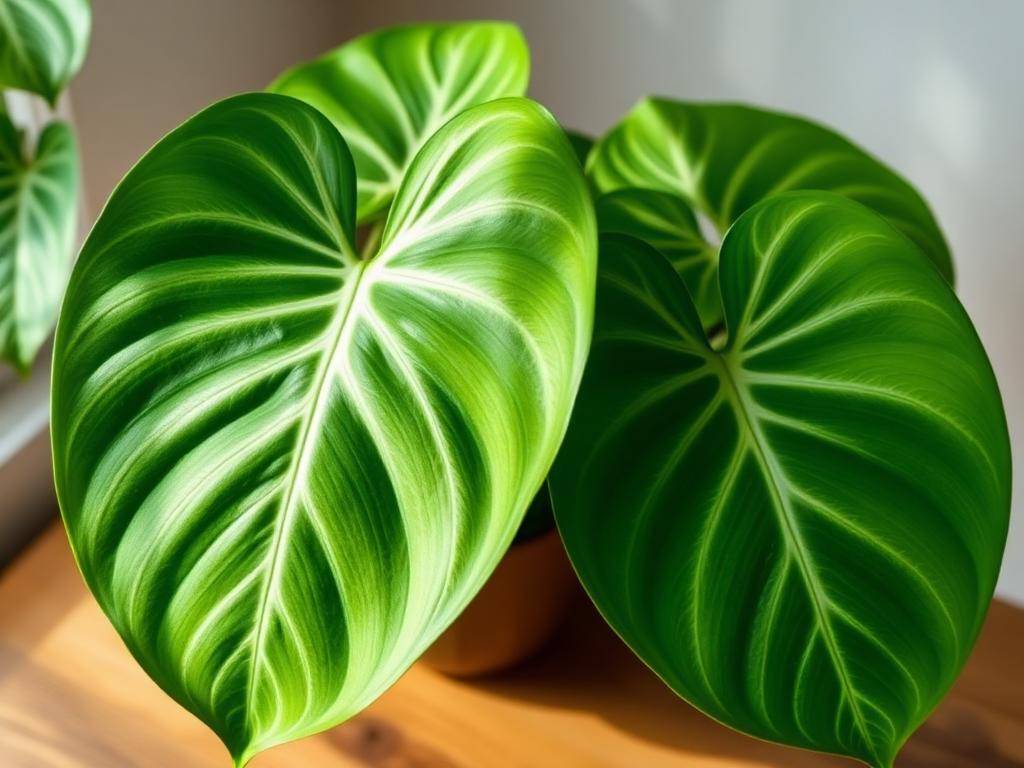 Moderate
Philodendron gloriosum
Philodendron gloriosum
- Best for
- Warm rooms with stable humidity
- Light
- Medium to bright indirect
- Water
- Even moisture, slightly warm
- Mature size
- Crawls along the soil; leaves up to 60 cm in good conditions
Why it works. Velvety heart-shaped leaves with pale white veining give an unmistakable, sculptural look.
Beginner note. Plant wide and shallow rather than deep, so the rhizome can crawl as it grows.
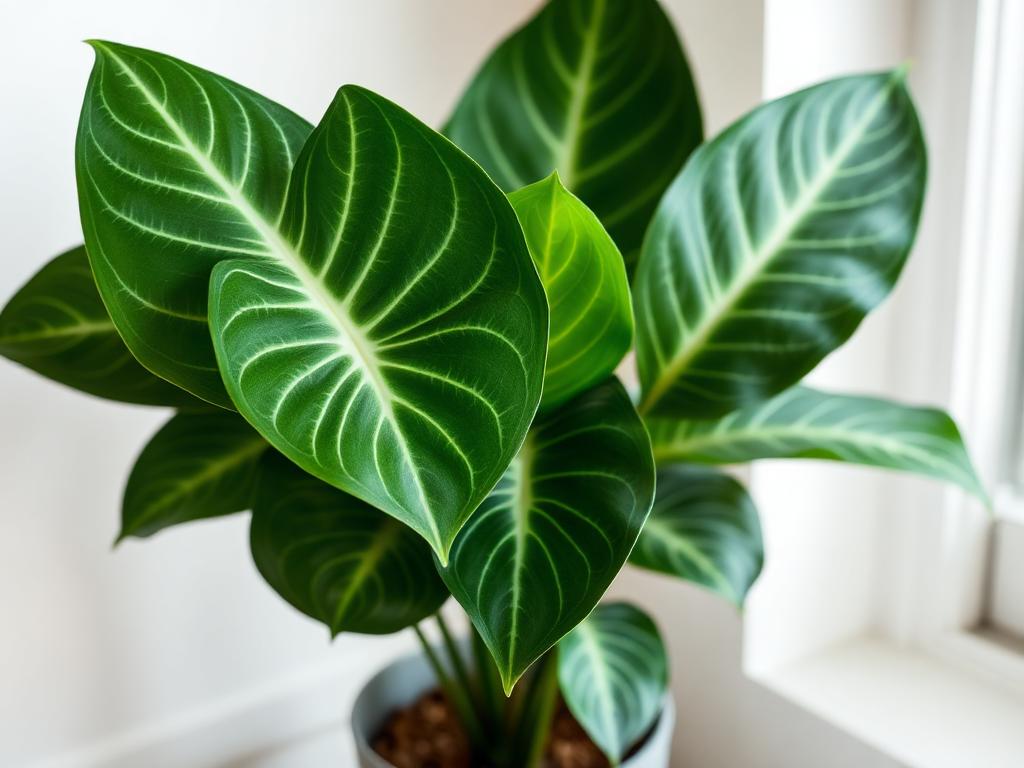 Moderate
Alocasia
Alocasia species
- Best for
- Bright bathrooms or feature spots, higher-care indoor option
- Light
- Bright indirect
- Water
- Even moisture; do not let it dry out fully
- Mature size
- Many species stay around 60 to 120 cm indoors
Why it works. Arrow-shaped leaves with strong veining and a more theatrical look than most foliage plants.
Beginner note. Treat winter rest seriously. Many alocasias drop leaves and regrow as days lengthen.
Best outdoor plants with large leaves
Outdoor big-leaf plants live and die by exposure. Large leaves catch the wind and lose moisture quickly, so the most reliable outdoor performers are the ones planted with shelter, steady soil moisture and the right light. In colder climates, the tender tropical-looking choices either come indoors for winter or get a deep mulch over their crowns.
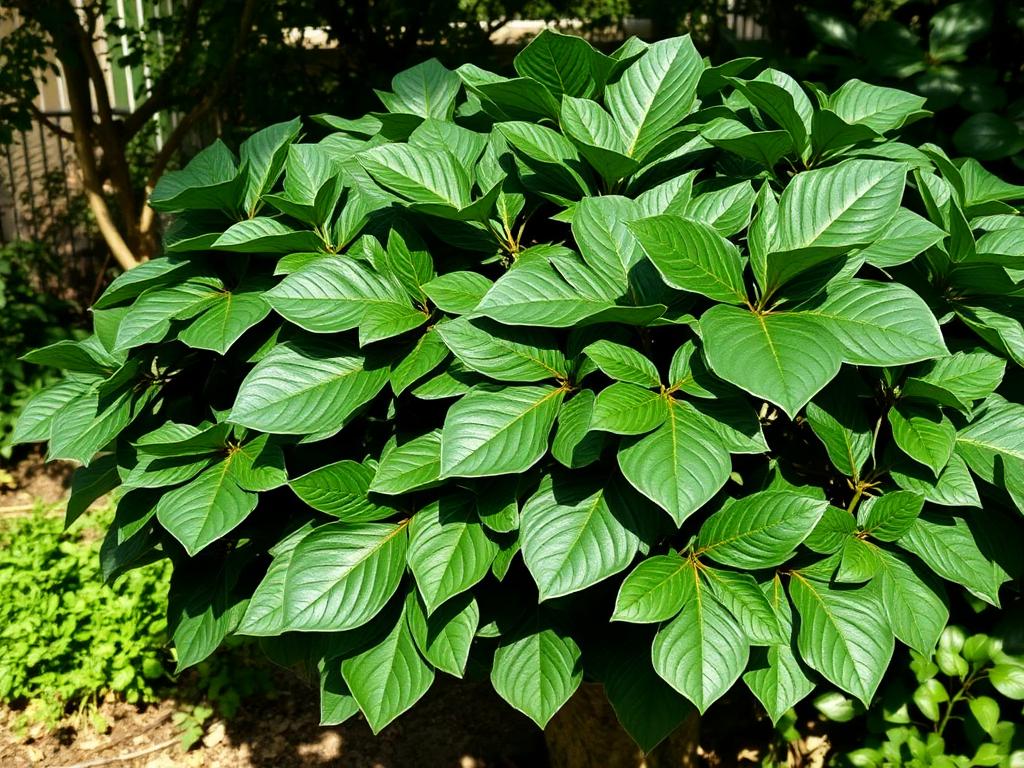 Easy
EasyFatsia japonica
Fatsia japonica
- Best for
- Shaded outdoor corners and courtyards
- Light
- Shade to part shade
- Water
- Even moisture; avoid drought
- Mature size
- 1.5 to 3 metres tall and wide
- Hardiness
- Hardy in most temperate gardens
Why it works. Glossy hand-shaped leaves that thrive in shaded spots where many shrubs give up.
Beginner note. One of the easiest large-leaf shrubs for shade. Tidy any cold-damaged leaves in spring.
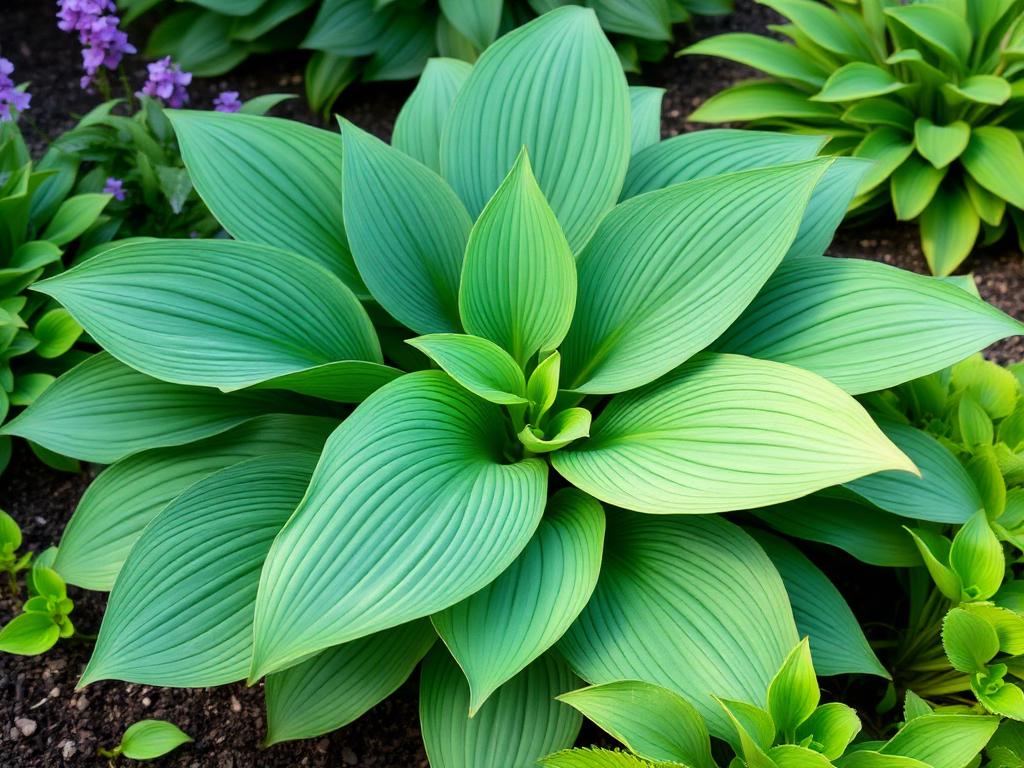 Easy
EasyHosta
Hosta species
- Best for
- Shaded borders and pots
- Light
- Part shade to full shade
- Water
- Consistently moist
- Mature size
- 30 cm to 1 metre across, depending on variety
- Hardiness
- Reliably hardy in most temperate gardens
Why it works. Ribbed leaves in many sizes and colours, from blue-grey to chartreuse.
Beginner note. Slugs love hostas. Use copper rings, gritty mulch or a tolerant variety in slug-heavy gardens.
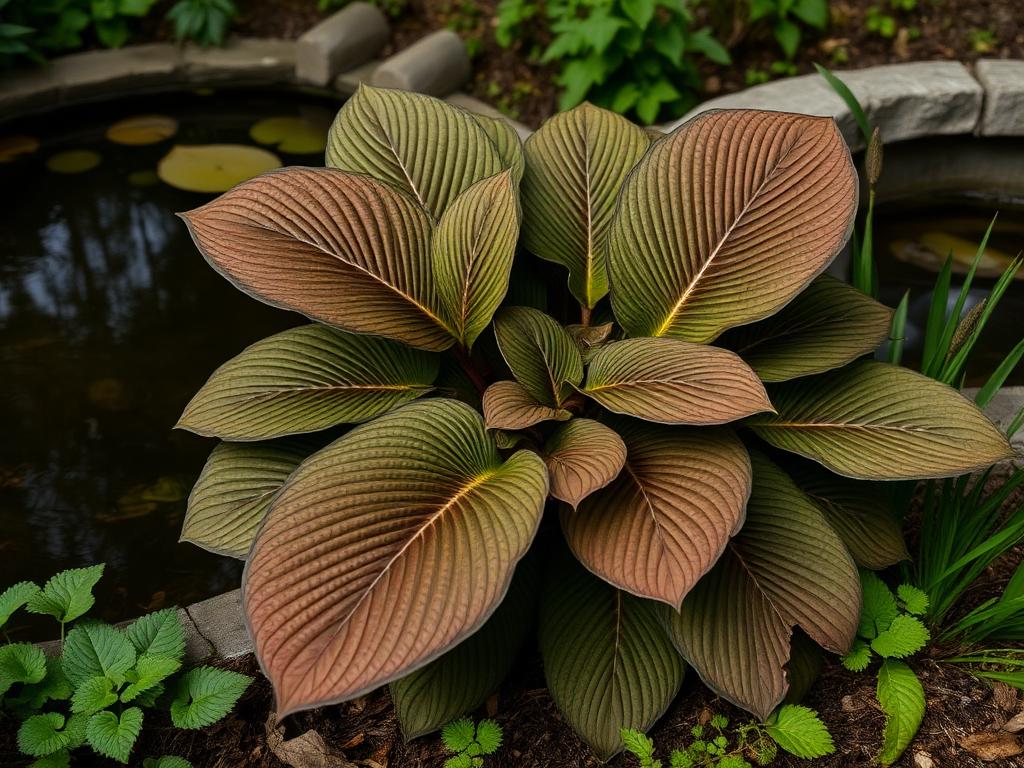 Moderate
Rodgersia
Rodgersia species
- Best for
- Damp shade, pond edges and boggy borders
- Light
- Part shade
- Water
- Moist to wet
- Mature size
- 1 to 1.5 metres
- Hardiness
- Hardy where soil stays moist year-round
Why it works. Bronze pleated palmate leaves that read like a giant chestnut and pair beautifully with water.
Beginner note. Will scorch if soil dries out. Mulch generously and never plant in dry shade.
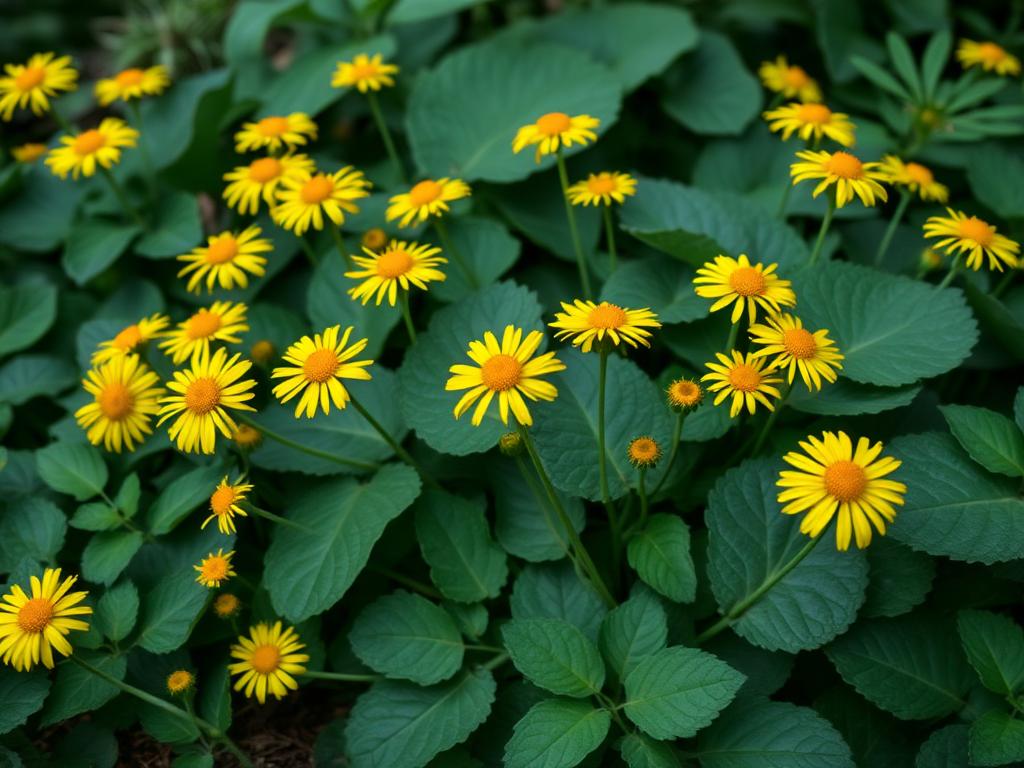 Moderate
Ligularia
Ligularia dentata and species
- Best for
- Moist shaded borders with flowering interest
- Light
- Part shade
- Water
- Moist
- Mature size
- Around 1 metre tall and wide
- Hardiness
- Hardy in moist soils across most temperate climates
Why it works. Large rounded leaves topped with bright yellow daisy flowers in summer.
Beginner note. Wilts dramatically in midday sun, then recovers in the evening. Move it deeper into shade if this is daily.
 Moderate
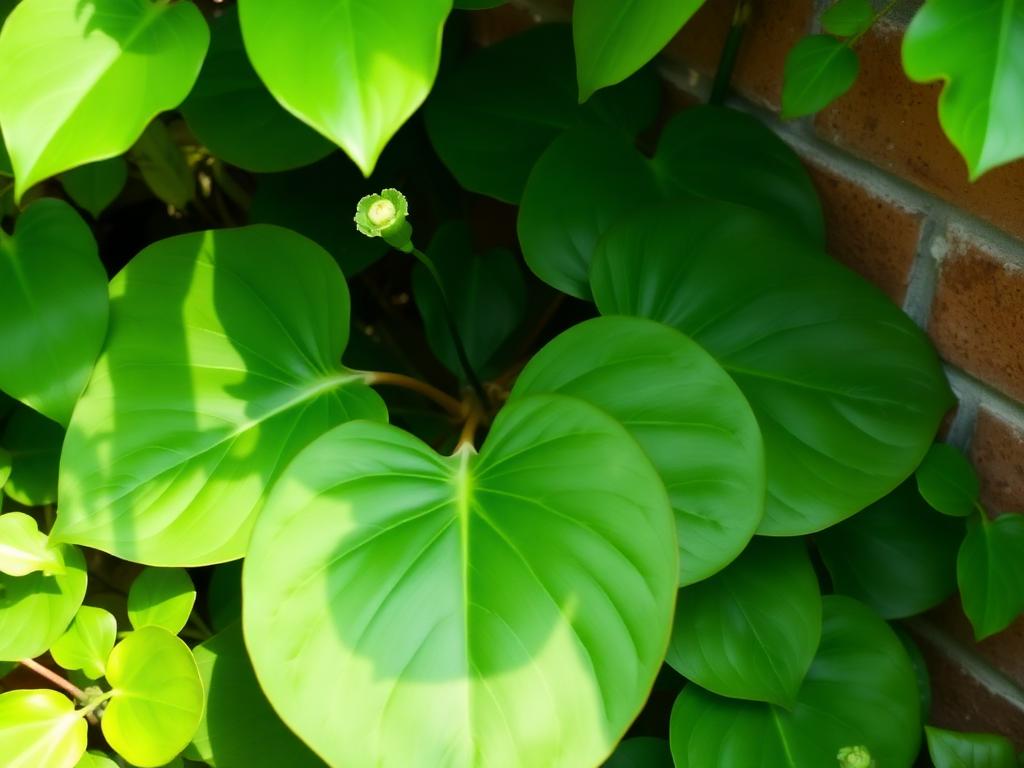
Farfugium japonicum
Farfugium japonicum
- Best for
- Shaded sheltered corners and courtyards
- Light
- Shade to part shade
- Water
- Even moisture
- Mature size
- 30 to 60 cm
- Hardiness
- Hardy in mild temperate gardens; protect in hard winters
Why it works. Glossy rounded leaves that handle low light gracefully and stay good-looking year-round in mild areas.
Beginner note. A neat, container-friendly outdoor plant. Mulch crowns in cold winters.
 Easy
EasyCanna
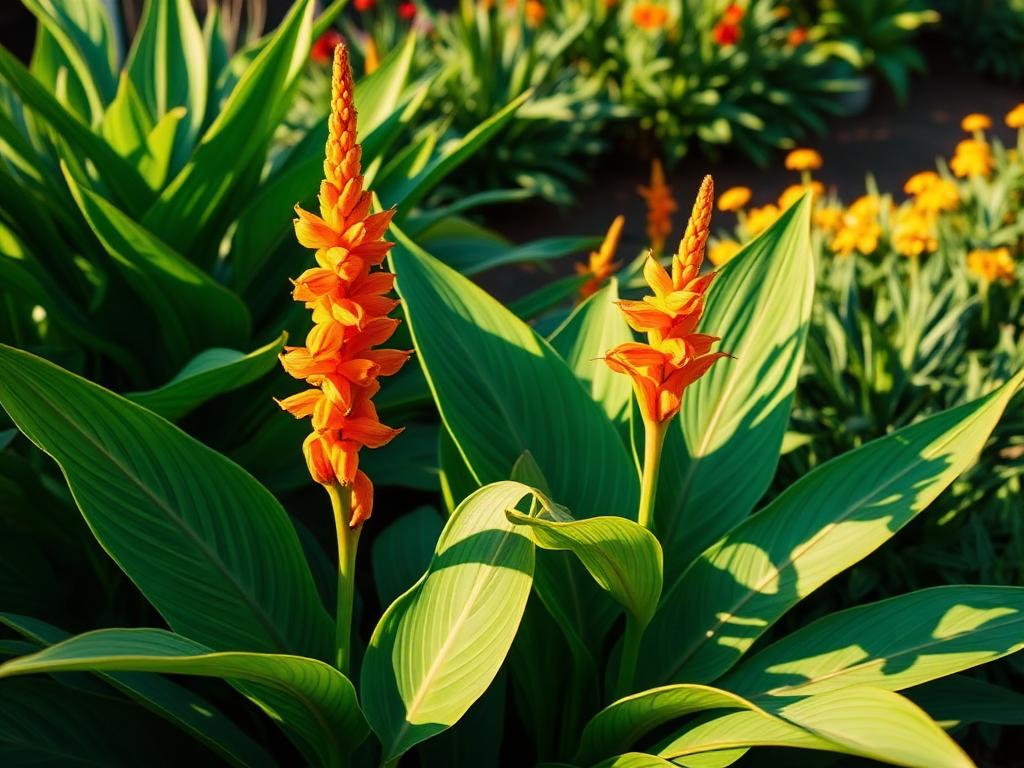
Canna species
- Best for
- Sunny borders and large containers
- Light
- Full sun
- Water
- Moist
- Mature size
- 1 to 2 metres
- Hardiness
- Often lifted or mulched heavily for winter in cold areas
Why it works. Broad green or bronze leaves and bright flowers all summer.
Beginner note. Lift rhizomes in autumn in cold climates, or grow in a pot you can move under cover.
 Moderate
Banana plant
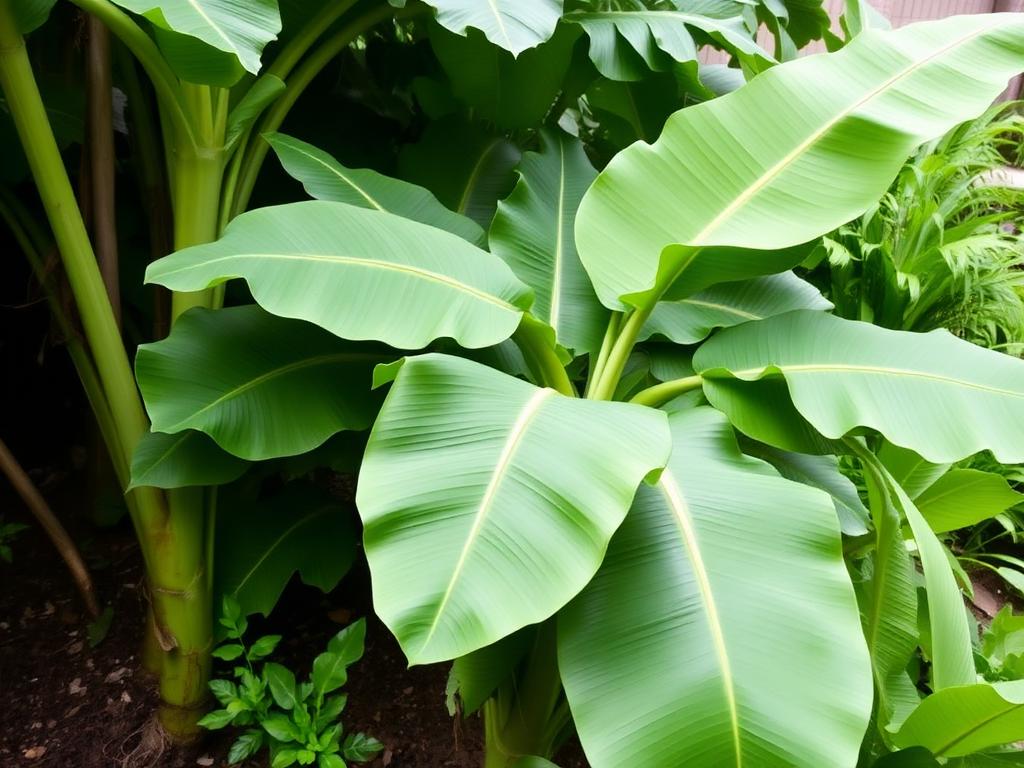
Musa basjoo and similar
- Best for
- Sheltered sunny gardens and large patio pots
- Light
- Sun to part sun
- Water
- Moist, sheltered from strong wind
- Mature size
- 2 to 4 metres in a good summer
- Hardiness
- Hardy banana like Musa basjoo survives mild winters with deep mulching; tender bananas need indoor protection
Why it works. Huge paddle leaves and a fast tropical look that few hardy plants can rival.
Beginner note. Plant somewhere wind-sheltered. Torn leaves are almost always a wind problem.
 Moderate
Colocasia (elephant ear)
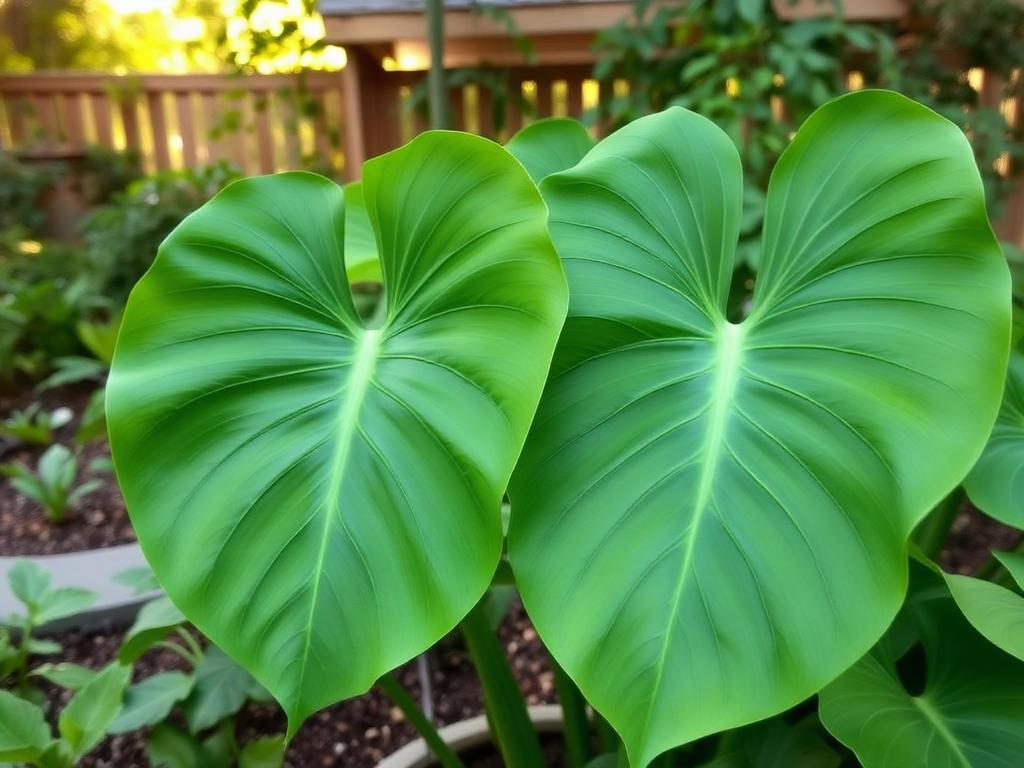
Colocasia esculenta
- Best for
- Sunny sheltered gardens and large pots
- Light
- Bright, with some direct sun
- Water
- Consistently moist; never lets dry out
- Mature size
- 1 to 1.5 metres in one season
- Hardiness
- Tender in cold climates; lift tubers or move pots indoors before frost
Why it works. Huge heart-shaped leaves that bring an instantly tropical feel.
Beginner note. Grow in a pot you can move. Drying out is the fastest way to lose the dramatic look.
 Advanced
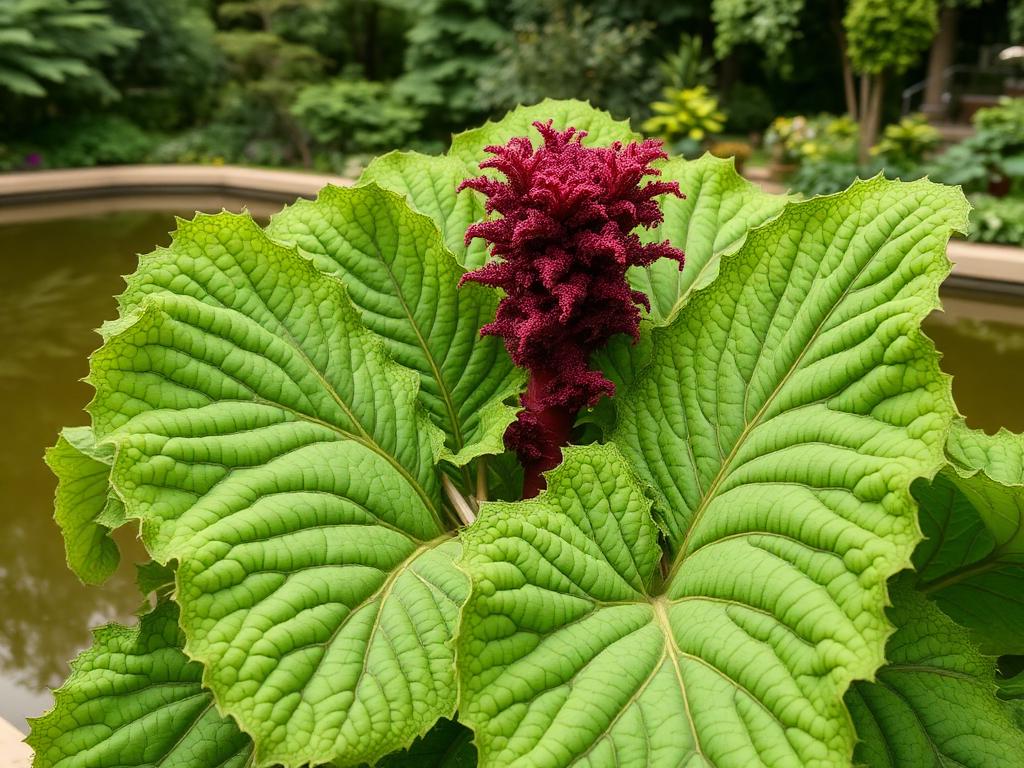
Gunnera
Gunnera manicata
- Best for
- Large damp gardens and pond edges only
- Light
- Part shade
- Water
- Wet, year-round
- Mature size
- 2 metres tall, leaves over 1 metre across
- Hardiness
- Hardy where crowns are protected with cut leaves over winter
Why it works. The biggest leaves a temperate garden can grow, but needs space and moisture.
Beginner note. Only plant if you have the room, the moisture and the patience. Not for small gardens.
Best large-leaf plants for pots and patios
Containers are often the most practical way to grow tropical-looking big-leaf plants in temperate gardens. A pot lets you move tender plants into a frost-free space for winter, control soil moisture more easily, and bring drama right up to a patio door. The trade-off is more frequent watering in summer and a heavier setup, since top-heavy plants in light pots topple easily.
Container basics for big-leaf plants
- Use a heavy pot for top-heavy plants like bird of paradise or banana.
- Choose pots with proper drainage holes and a deep saucer.
- Use a quality peat-free potting mix rather than garden soil.
- Water more often in summer; large leaves can transpire surprisingly fast.
- Rotate indoor plants a quarter turn each week so growth stays even.
- Move tender plants under cover before night temperatures fall close to freezing.
For pots and patios specifically, the strongest performers are bird of paradise and rubber plant indoors; alocasia, colocasia, dwarf banana, canna and fatsia japonica outdoors; and calathea orbifolia for shaded indoor pots near a humid kitchen or bathroom. None of these need a fancy pot, but all of them benefit from a stable, heavy base and good drainage.
Large-leaf plants for shade
Shaded corners often feel like a problem until you give them the right big leaves. Hostas, fatsia japonica, rodgersia, ligularia and farfugium japonicum all relish cool, sheltered light and bring a fullness that smaller flowering plants struggle to deliver. Some of the most striking ferns also belong in this list, especially shuttlecock ferns and royal ferns, which carry their fronds at a real architectural scale.
Shade does not mean drought-tolerant. Most large-leaf shade plants still need consistent moisture in the soil, particularly in summer. Brunnera macrophylla is a useful smaller companion plant with heart-shaped leaves that can carpet the front of a shaded border without overwhelming the big-leaf focal plants behind it.
Build shade plantings in layers
Tropical-looking plants with large leaves
You do not need a tropical climate to get a tropical look. Banana plants, colocasia, alocasia, canna, bird of paradise and fatsia japonica can all give a sheltered temperate garden a strong tropical feel from early summer through to first frosts. The trick is to use a small number of focal big-leaf plants rather than crowding many of them together.
Tetrapanax papyrifer can deliver enormous lobed leaves, but it spreads aggressively in some climates by suckering. Check whether it is considered invasive in your region before planting it out, and consider keeping it in a large container if you are unsure.
Be careful with vigorous tropical-style plants outdoors
Large-leaf plants to avoid in the wrong place
Every plant on this page can look stunning in the right spot and miserable in the wrong one. The avoid list below is really a "do not put it here" list, not a "do not grow it" list.
Fiddle leaf fig in low light
Why it causes problems. Without bright light, leaves drop steadily and any new growth comes in small and pale.
Better approach. Move it within a metre of a large east or south-facing window, or swap to a rubber plant which copes with medium light.
Monstera in a tiny corner
Why it causes problems. Mature leaves are huge, so a cramped corner forces leggy, sideways growth that hides the plant's best feature.
Better approach. Give it at least a metre of clear floor space, or pick a smaller-leaved philodendron for tight spots.
Banana plant in exposed wind
Why it causes problems. Banana leaves shred easily, so every summer storm leaves the plant looking tatty within hours.
Better approach. Plant against a sheltering wall, fence or established shrub, or grow it in a pot you can move when storms are forecast.
Colocasia in dry soil
Why it causes problems. Elephant ear collapses dramatically the moment the soil dries out and rarely recovers its full size that season.
Better approach. Grow in a deep pot with a saucer that holds water, or plant beside a pond where roots stay reliably moist.
Gunnera in a small garden
Why it causes problems. It will dwarf everything around it, demand wet ground, and be almost impossible to remove cleanly later.
Better approach. Use rodgersia or a large hosta for the same dramatic shaded look at a manageable scale.
Calathea in dry indoor air
Why it causes problems. Crisp brown edges appear within weeks in centrally heated rooms with no humidity boost.
Better approach. Move it to a bathroom or kitchen, or group it with other plants over a pebble tray to lift local humidity.
Hosta in hot dry sun
Why it causes problems. Leaves scorch quickly and the plant sulks for the rest of the season.
Better approach. Plant in dappled or part shade with consistently moist soil, ideally on the cooler side of the garden.
Tender tropicals left outside in winter
Why it causes problems. Canna, colocasia, alocasia and tender bananas will not survive a hard frost left in the ground.
Better approach. Lift rhizomes and tubers in autumn, or grow in pots you can wheel into a frost-free shed, garage or porch.
Any large-leaf plant in a pot without drainage
Why it causes problems. Standing water rots roots within weeks, no matter how careful you are with the watering can.
Better approach. Always use a pot with proper drainage holes and a saucer, and tip out any standing water after heavy rain.
Big leaves are demanding leaves
How to choose the right big-leaf plant
For indoor rooms
Start with light. If your brightest room receives strong filtered light through a large window, almost any of the indoor big-leaf plants will work. If your space is darker, narrow the list to monstera and rubber plant, which both tolerate medium light better than bird of paradise or fiddle leaf fig. Then check pot stability, the mature spread, and whether pet safety matters in your household. Many aroids such as monstera, philodendron and alocasia contain calcium oxalate and can irritate pets if chewed, so check each species before buying if curious cats or dogs share the room.
For patios and containers
Match the container to the plant rather than the plant to the container. Top-heavy plants like bird of paradise, banana and canna need a heavy pot with a wide base. Tender plants need a pot you can realistically lift or wheel under cover at the end of the season. Always use a peat-free potting mix designed for containers, not garden soil, and add a saucer to catch summer overflow without rotting the patio.
For borders and shade gardens
Soil moisture is the first filter. If your border dries out in summer, rodgersia, ligularia and gunnera are not the right choices. If your soil stays damp through the season, those three thrive. Hostas and fatsia japonica sit comfortably in the middle, accepting most garden soils as long as they do not bake. Always check the hardiness rating on the plant label against your local climate, and ask the nursery if you are unsure.
For a tropical look
Less is usually more. Two or three large-leaf focal plants placed against a calm green backdrop read as deliberate. A crowd of competing big-leaf plants quickly reads as chaotic. Mix leaf shapes for contrast: pair a paddle-leaved banana with a broad heart-shaped colocasia and a fine-textured ornamental grass to give each one room to be seen.
How to care for plants with large leaves
Light
Most indoor big-leaf plants prefer bright indirect light. A spot a metre or so back from a large south or east-facing window is usually ideal. Outdoors, light needs vary widely: hostas, fatsia and rodgersia thrive in shade, while canna and banana want full sun. Always check the plant label and adjust placement seasonally if the sun angle changes through the year.
Watering
Large leaves can lose water surprisingly quickly through transpiration, especially in warm rooms or sunny patios. Check the substrate with a finger or moisture meter before watering rather than following a fixed schedule. Indoors, a deep watering every one to two weeks suits most species, less often in winter. Outdoors, mulch generously to slow evaporation and water deeply rather than little and often.
Feeding
Feed gently and only during active growth. A balanced liquid feed at half strength every two to four weeks through spring and summer is plenty for most indoor big-leaf plants. Stop feeding through the colder months. Outdoor border plants usually appreciate a generous spring mulch with garden compost rather than frequent liquid feeds.
Cleaning leaves
Dust blocks light and reduces photosynthesis indoors, so wipe each side of large leaves with a soft, damp cloth roughly once a month. Avoid commercial leaf-shine sprays, which can clog the small pores on the leaf surface. Outdoors, light rain takes care of the cleaning for you.
Pruning and support
Remove damaged, browning or cold-burned leaves at the base with clean scissors. For climbing or top-heavy plants like monstera or fiddle leaf fig, use a moss pole or a discreet stake before the plant leans. Take out yellow lower leaves on hostas and bananas as the season progresses to keep the plant looking deliberate.
Wind and weather
Large outdoor leaves can tear in strong wind. Plant tender tropicals in sheltered spots, against a wall, fence or established shrub, rather than in the middle of an exposed lawn. Move pot-grown big-leaf plants closer to the house during summer storms if you can.
Useful supplies for growing large-leaf plants
Best choices for beginners
Beginners should choose large-leaf plants that match the existing space rather than forcing a tropical plant into the wrong conditions. The lists below are the safest starting points indoors and out.
Indoors
- Rubber plant. The most forgiving big-leaf houseplant for an everyday room.
- Monstera. Iconic split leaves and a tolerant temperament.
- Bird of paradise. Only if your room is genuinely bright; otherwise pick rubber plant.
- Fiddle leaf fig. Only if you can offer bright light and a permanent spot.
Outdoors
- Fatsia japonica. Shade-loving shrub that thrives almost anywhere temperate.
- Hosta. Reliable shaded border plant in many sizes and colours.
- Rodgersia. For moist shade where the soil never bakes.
- Canna. Sunny container drama with bright summer flowers.
- Colocasia. Only if you can keep it consistently moist all summer.
Frequently asked questions
What plant has very large leaves?
What are the best indoor plants with large leaves?
What outdoor plants have large leaves?
What are the easiest big-leaf plants for beginners?
Can large-leaf plants grow in pots?
What large-leaf plants grow in shade?
Why are my big plant leaves turning brown?
Do plants with large leaves need more water?
How do I keep large leaves clean indoors?
Are big-leaf plants good for small rooms?
Which large-leaf plants look tropical?
Can large-leaf plants survive winter outside?
Final advice
The most useful question with a large-leaf plant is always the same: where is this going to live? Choose by location first, then match the plant to light, water, space and winter conditions. Big leaves need room and shelter to look their best, indoors and out. Start with one or two strong focal plants rather than buying a trolley full of big foliage, and remember that a healthy medium-sized plant in the right spot will always look better than a huge plant struggling in the wrong one.
- Choose by location first: indoor, outdoor, pot, shade or sunny patio.
- Match the plant to light, water, space and winter hardiness.
- Give big leaves room and shelter from strong wind.
- Start with one or two focal plants, not a crowded display.
- A healthy medium-sized plant beats a struggling huge one every time.
Related reads
Keep reading
- HubAll plant guidesIndoor and outdoor planting ideas grouped by topic and situation.Read guide
- HubGarden design ideasBorders, focal points and structure for gardens of every size.Read guide
- HubPots and containersChoose the right pot, mix and care routine for container planting.Read guide
- PlantsTerrarium plants: open and closedSmall plants for glass gardens by habitat, with care tips and supplies.Read guide
- Garden designLime coloured plants: my favouritesChartreuse shrubs and perennials that brighten green borders.Read guide
- Garden designBest plants for topiaryReliable shrubs that take to clipping well, beyond box.Read guide
This guide was written and reviewed for Blooming Lucky's refreshed gardening archive. We use original writing, practical gardening research and clear plant-care guidance. We do not copy old archived articles or claim personal testing unless stated.