- Original Blooming Lucky guide
- Practical, beginner friendly
- Tree-safe planting advice
Why planting under trees is difficult
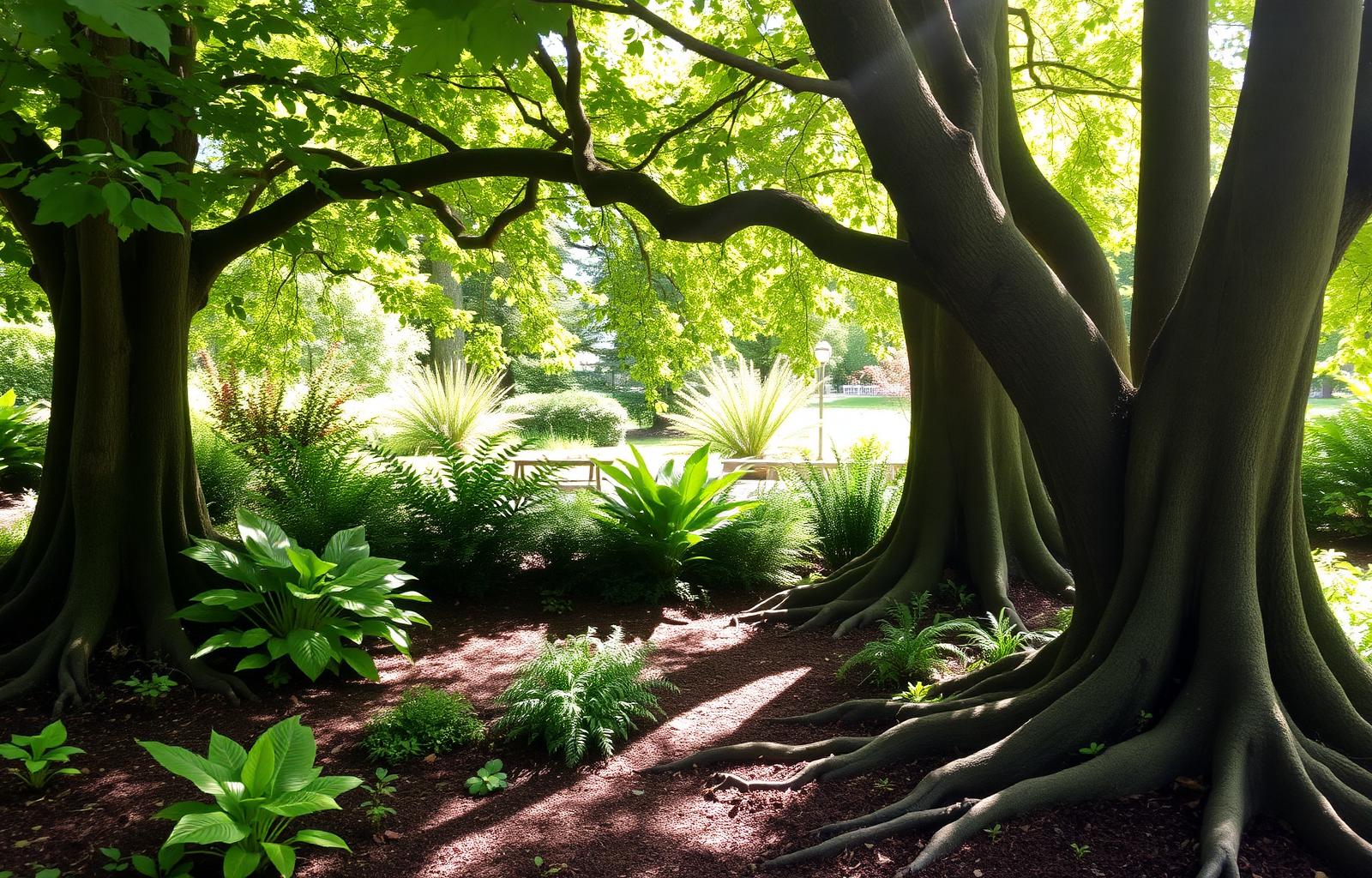
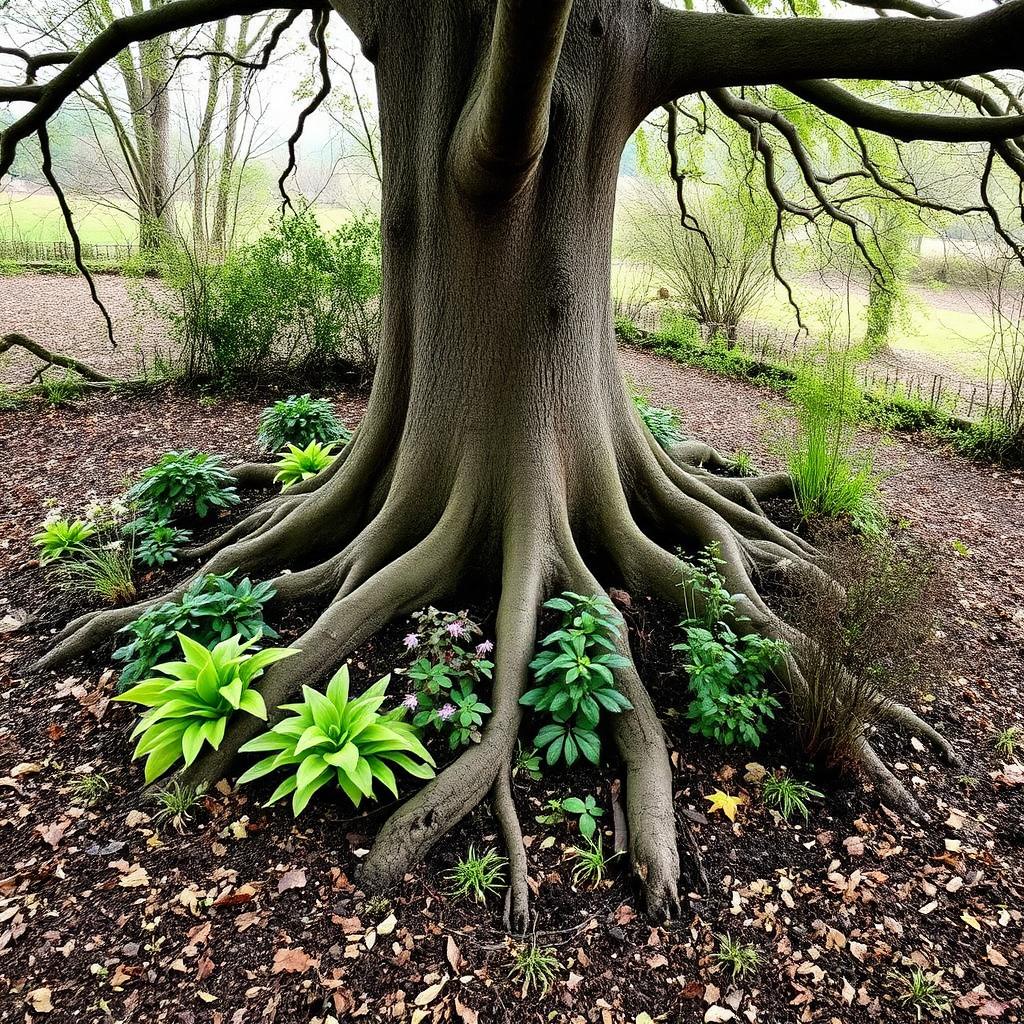
Under a tree, several limits stack on top of each other. The canopy reduces light, sometimes to deep shade in summer. The roots take moisture and nutrients from the soil before smaller plants can reach them. The soil itself can be dry, compacted, or full of woody roots that block a trowel. Leaf litter or pine needles change the surface, and the type of tree, evergreen or deciduous, decides whether spring light reaches the ground at all. New plants need help until they establish, which usually means watering through their first one or two seasons.
This is why two gardens with the same plant list can look completely different. The plant did not fail because it was a bad choice; it failed because the real conditions were different.
Before choosing plants, check
- How much light reaches the ground at different times of day
- Whether the soil is dry or stays damp after rain
- Whether the tree is evergreen or deciduous
- How many surface roots are present
- Whether the area gets heavy leaf litter or needle drop
- Whether you can water new plants regularly while they establish
- Whether deer, rabbits, slugs, or heavy foot traffic are a problem
Best plants for under trees at a glance
This summary table is a quick reference. The cards further down explain each plant in more detail and show what the conditions look like in practice.
| Plant | Best for | Shade | Moisture | Root tolerance | Difficulty | Why it works |
|---|---|---|---|---|---|---|
| Epimedium | Dry shade ground cover | Light to deep | Dry once established | High | Easy | Tough mat former that handles root competition. |
| Hardy geranium | Ground cover, flowers | Part to light | Average | Medium | Easy | Reliable spreader with long flowering season. |
| Hellebores | Winter flowers | Part to deep | Average to dry | High | Easy | Evergreen leaves and early flowers in shade. |
| Hostas | Bold leaves | Part to deep | Steady | Medium | Moderate | Strong texture if soil is not bone dry. |
| Ferns | Soft texture | Part to deep | Varies by species | Medium | Easy | Natural woodland feel and many species. |
| Carex | Grass-like accent | Part to light | Average to dry | High | Easy | Evergreen sedges that suit shade and pine litter. |
| Liriope | Edges and ground cover | Part to deep | Average to dry | High | Easy | Tough strap leaves and late flowers. |
| Tiarella | Woodland ground cover | Part to light | Average | Medium | Easy | Pretty foliage and soft spring flowers. |
| Heuchera | Colour foliage | Part to light | Average | Medium | Moderate | Adds leaf colour where flowers are limited. |
| Brunnera | Spring blue flowers | Part to deep | Average | Medium | Easy | Silvered leaves and small forget-me-not flowers. |
| Wild ginger | Native ground cover | Part to deep | Average | Medium | Easy | Glossy leaves and quiet woodland feel. |
| Lamium | Quick ground cover | Part to deep | Average | Medium | Easy | Light foliage and pink, white, or yellow flowers. |
| Pachysandra | Mass ground cover | Part to deep | Average | Medium | Easy | Dense cover but can spread strongly; check local guidance. |
| Vinca | Trailing ground cover | Part to deep | Average | Medium | Easy | Tough evergreen mat but invasive in some regions. |
| Crocus | Early colour | Light spring sun | Average | High | Easy | Small bulbs that fit between roots and bloom early. |
| Snowdrops | Late winter colour | Part to deep | Average | High | Easy | Naturalise gently under deciduous trees. |
| Daffodils | Spring colour | Light spring sun | Average | High | Easy | Bloom before the canopy fully leafs out. |
| Cyclamen | Autumn and spring colour | Part to deep | Average to dry | High | Easy | Hardy species suit dry shade under trees. |
| Muscari | Spring drifts | Light spring sun | Average | High | Easy | Small bulbs that tuck easily between roots. |
| Woodland phlox | Spring flowers | Part shade | Average | Medium | Easy | Pretty blue and lavender flowers in woodland gardens. |
Epimedium
Easy- Best for
- Dry shade ground cover
- Shade
- Light to deep
- Moisture
- Dry once established
- Root tolerance
- High
- Why
- Tough mat former that handles root competition.
Hardy geranium
Easy- Best for
- Ground cover, flowers
- Shade
- Part to light
- Moisture
- Average
- Root tolerance
- Medium
- Why
- Reliable spreader with long flowering season.
Hellebores
Easy- Best for
- Winter flowers
- Shade
- Part to deep
- Moisture
- Average to dry
- Root tolerance
- High
- Why
- Evergreen leaves and early flowers in shade.
Hostas
Moderate- Best for
- Bold leaves
- Shade
- Part to deep
- Moisture
- Steady
- Root tolerance
- Medium
- Why
- Strong texture if soil is not bone dry.
Ferns
Easy- Best for
- Soft texture
- Shade
- Part to deep
- Moisture
- Varies by species
- Root tolerance
- Medium
- Why
- Natural woodland feel and many species.
Carex
Easy- Best for
- Grass-like accent
- Shade
- Part to light
- Moisture
- Average to dry
- Root tolerance
- High
- Why
- Evergreen sedges that suit shade and pine litter.
Liriope
Easy- Best for
- Edges and ground cover
- Shade
- Part to deep
- Moisture
- Average to dry
- Root tolerance
- High
- Why
- Tough strap leaves and late flowers.
Tiarella
Easy- Best for
- Woodland ground cover
- Shade
- Part to light
- Moisture
- Average
- Root tolerance
- Medium
- Why
- Pretty foliage and soft spring flowers.
Heuchera
Moderate- Best for
- Colour foliage
- Shade
- Part to light
- Moisture
- Average
- Root tolerance
- Medium
- Why
- Adds leaf colour where flowers are limited.
Brunnera
Easy- Best for
- Spring blue flowers
- Shade
- Part to deep
- Moisture
- Average
- Root tolerance
- Medium
- Why
- Silvered leaves and small forget-me-not flowers.
Wild ginger
Easy- Best for
- Native ground cover
- Shade
- Part to deep
- Moisture
- Average
- Root tolerance
- Medium
- Why
- Glossy leaves and quiet woodland feel.
Lamium
Easy- Best for
- Quick ground cover
- Shade
- Part to deep
- Moisture
- Average
- Root tolerance
- Medium
- Why
- Light foliage and pink, white, or yellow flowers.
Pachysandra
Easy- Best for
- Mass ground cover
- Shade
- Part to deep
- Moisture
- Average
- Root tolerance
- Medium
- Why
- Dense cover but can spread strongly; check local guidance.
Vinca
Easy- Best for
- Trailing ground cover
- Shade
- Part to deep
- Moisture
- Average
- Root tolerance
- Medium
- Why
- Tough evergreen mat but invasive in some regions.
Crocus
Easy- Best for
- Early colour
- Shade
- Light spring sun
- Moisture
- Average
- Root tolerance
- High
- Why
- Small bulbs that fit between roots and bloom early.
Snowdrops
Easy- Best for
- Late winter colour
- Shade
- Part to deep
- Moisture
- Average
- Root tolerance
- High
- Why
- Naturalise gently under deciduous trees.
Daffodils
Easy- Best for
- Spring colour
- Shade
- Light spring sun
- Moisture
- Average
- Root tolerance
- High
- Why
- Bloom before the canopy fully leafs out.
Cyclamen
Easy- Best for
- Autumn and spring colour
- Shade
- Part to deep
- Moisture
- Average to dry
- Root tolerance
- High
- Why
- Hardy species suit dry shade under trees.
Muscari
Easy- Best for
- Spring drifts
- Shade
- Light spring sun
- Moisture
- Average
- Root tolerance
- High
- Why
- Small bulbs that tuck easily between roots.
Woodland phlox
Easy- Best for
- Spring flowers
- Shade
- Part shade
- Moisture
- Average
- Root tolerance
- Medium
- Why
- Pretty blue and lavender flowers in woodland gardens.
Best ground cover under trees
Ground covers are useful under trees because they cover bare soil, soften the root zone, reduce weeds, and create a calm woodland look. The best ground cover depends on whether the shade is dry, damp, evergreen, or seasonal. There is no single best plant for every situation.
Epimedium
Epimedium spp.
- Best for
- Dry to average shade under deciduous or evergreen trees.
- Shade
- Part to deep
- Moisture
- Dry once established
- Spread
- Slow to moderate clump
- Root tolerance
- High
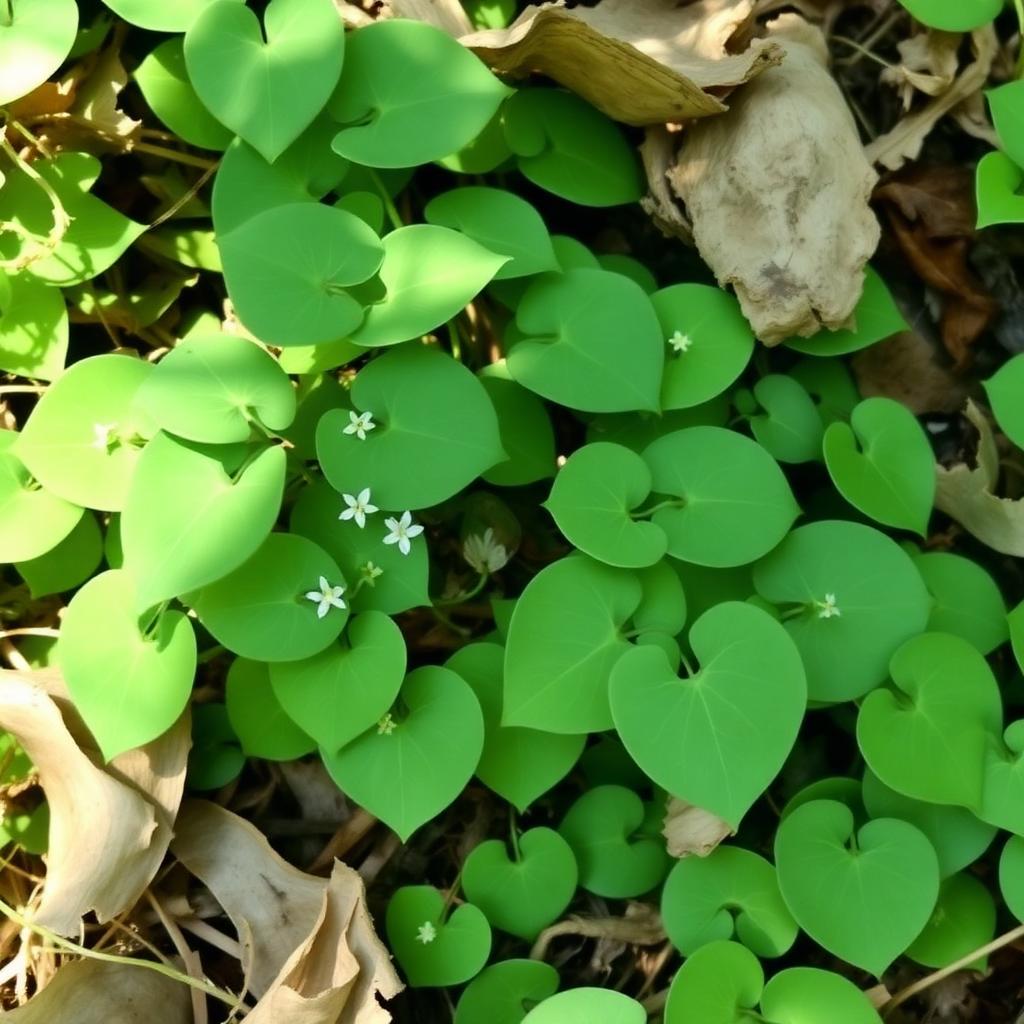
Why it works. One of the most reliable dry-shade ground covers; tough, evergreen or semi-evergreen, and rarely bothered by tree roots.
Beginner note. Buy small plants, plant in autumn or spring, and keep watered through the first dry summer.
Hardy geranium
Geranium spp.
- Best for
- Light to part shade with average moisture.
- Shade
- Part to light
- Moisture
- Average
- Spread
- Spreading clumps
- Root tolerance
- Medium
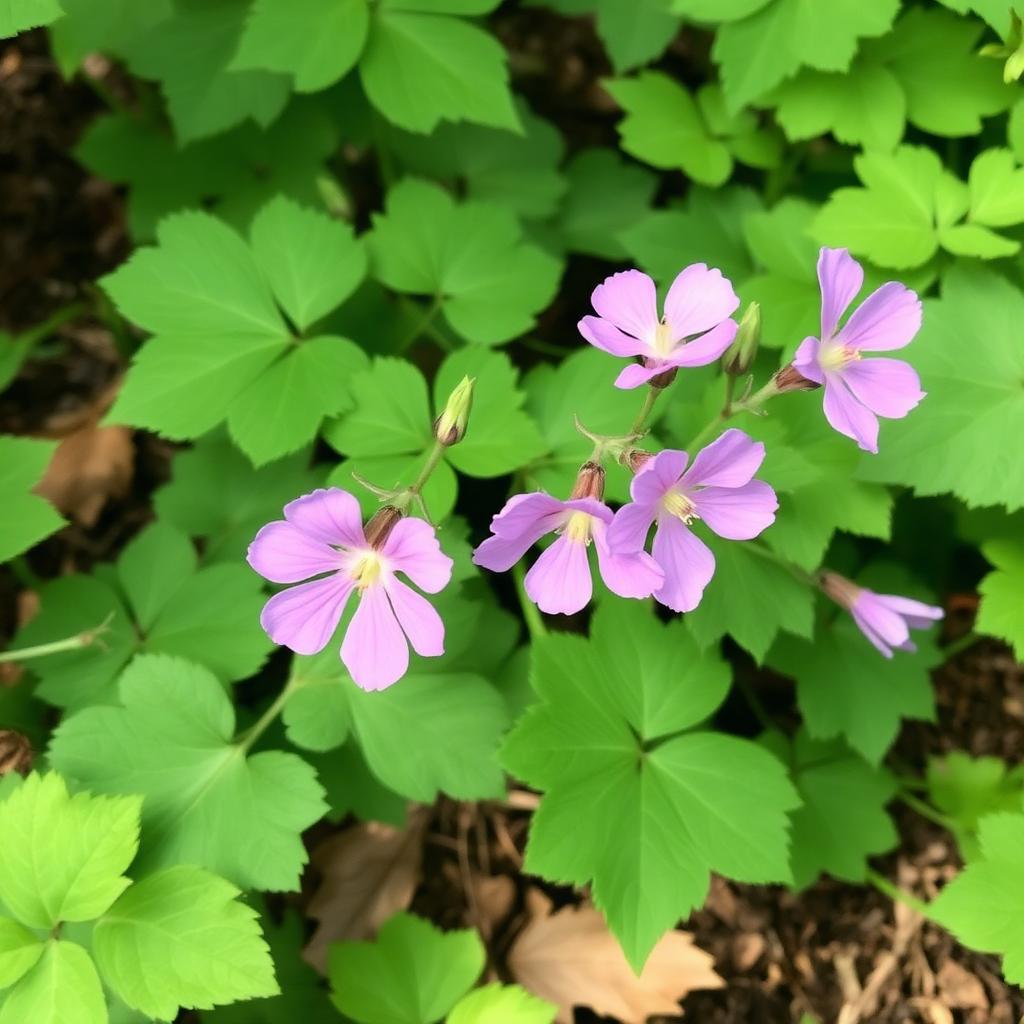
Why it works. Easy spreader that flowers for weeks and softens edges between roots.
Beginner note. Choose a shade-tolerant variety such as Geranium macrorrhizum for dry root-filled spots.
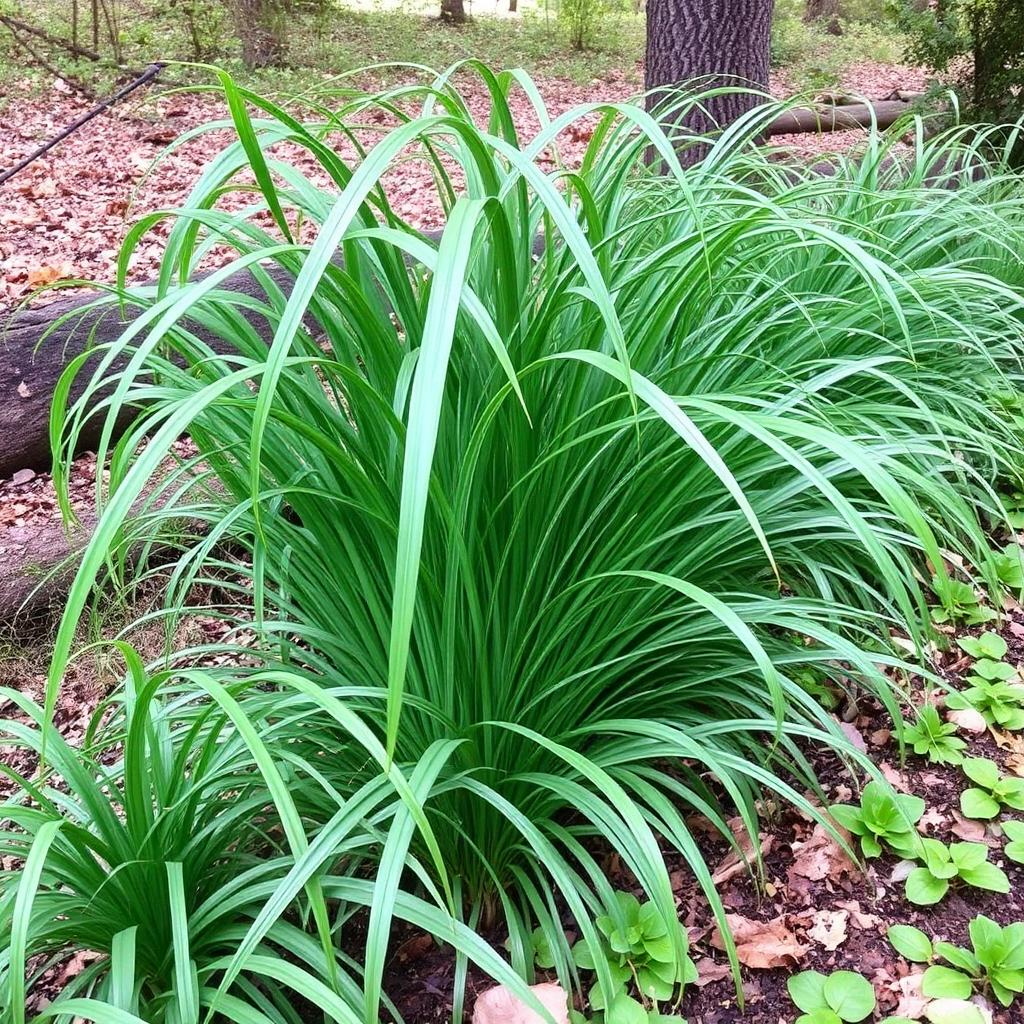
Carex
Carex spp.
- Best for
- Edges, drifts, and gaps between tree roots.
- Shade
- Part to light
- Moisture
- Average to dry
- Spread
- Slow clumps
- Root tolerance
- High
Why it works. Evergreen sedges add gentle texture and cope with dry shade and needle litter.
Beginner note. Mix two or three varieties for a natural woodland feel.
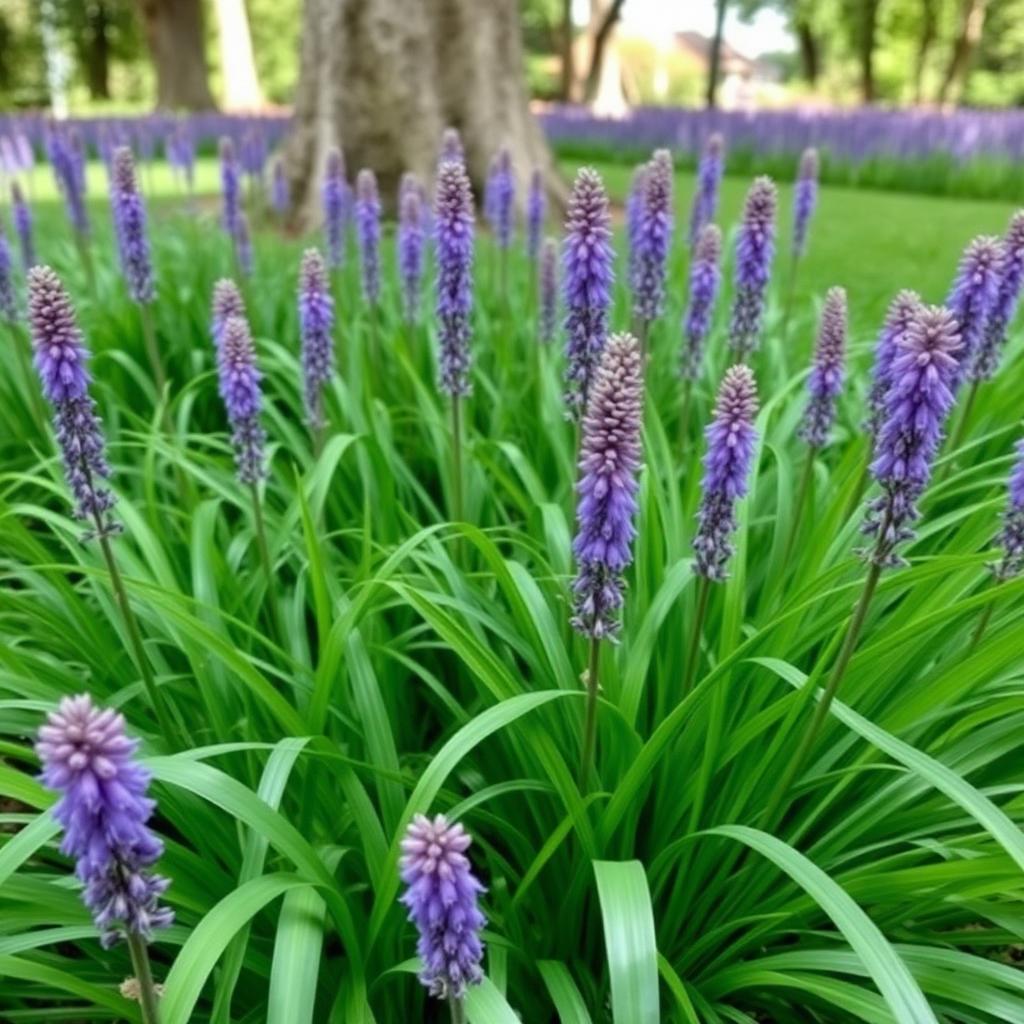
Liriope
Liriope muscari
- Best for
- Borders, paths, and under-tree edges.
- Shade
- Part to deep
- Moisture
- Average to dry
- Spread
- Clumping or running depending on type
- Root tolerance
- High
Why it works. Tough strap-like leaves and late summer flower spikes in dry shade.
Beginner note. Choose the clumping form if you do not want it to spread widely.
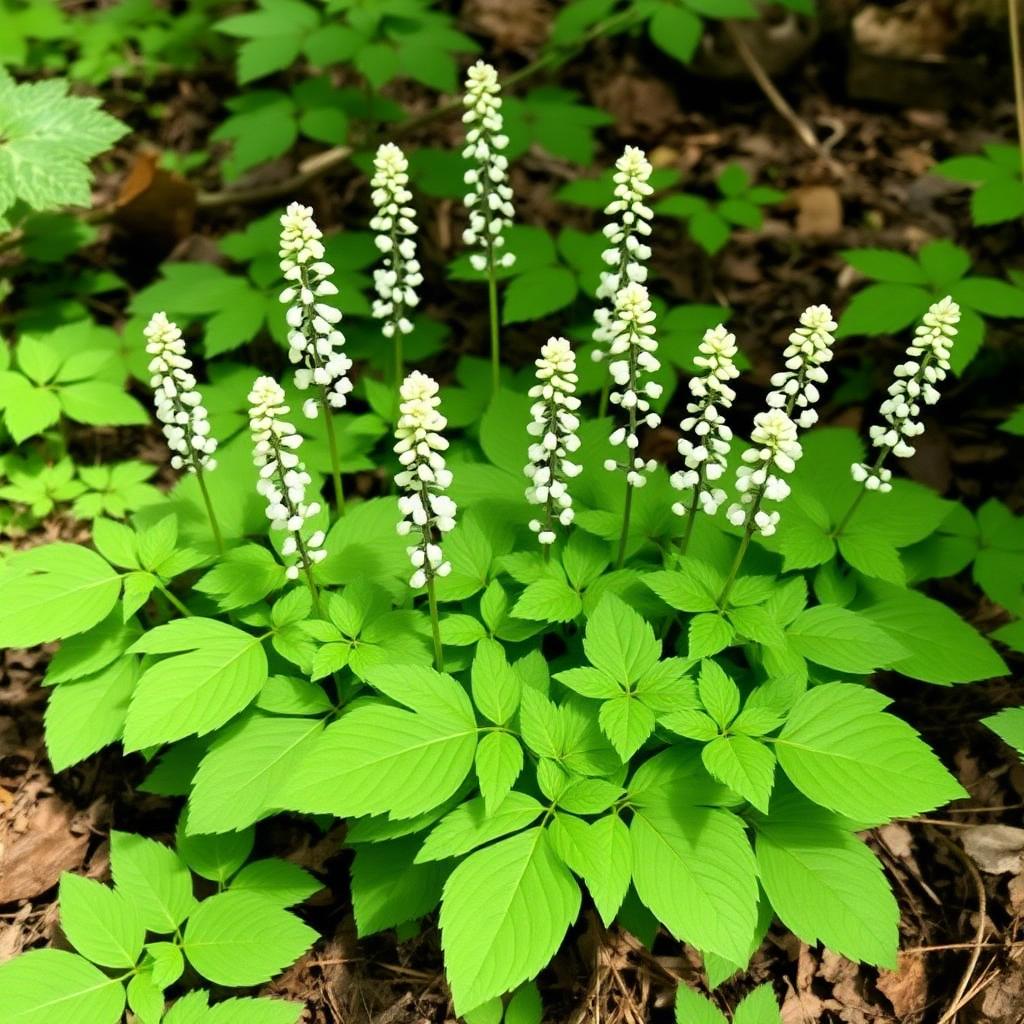
Tiarella
Tiarella spp.
- Best for
- Woodland edges and damp-ish shade.
- Shade
- Part to light
- Moisture
- Average
- Spread
- Slow ground cover
- Root tolerance
- Medium
Why it works. Soft white flower spikes in spring and attractive maple-shaped leaves.
Beginner note. Tiarella prefers soil that does not dry out completely, so help it through hot weeks.
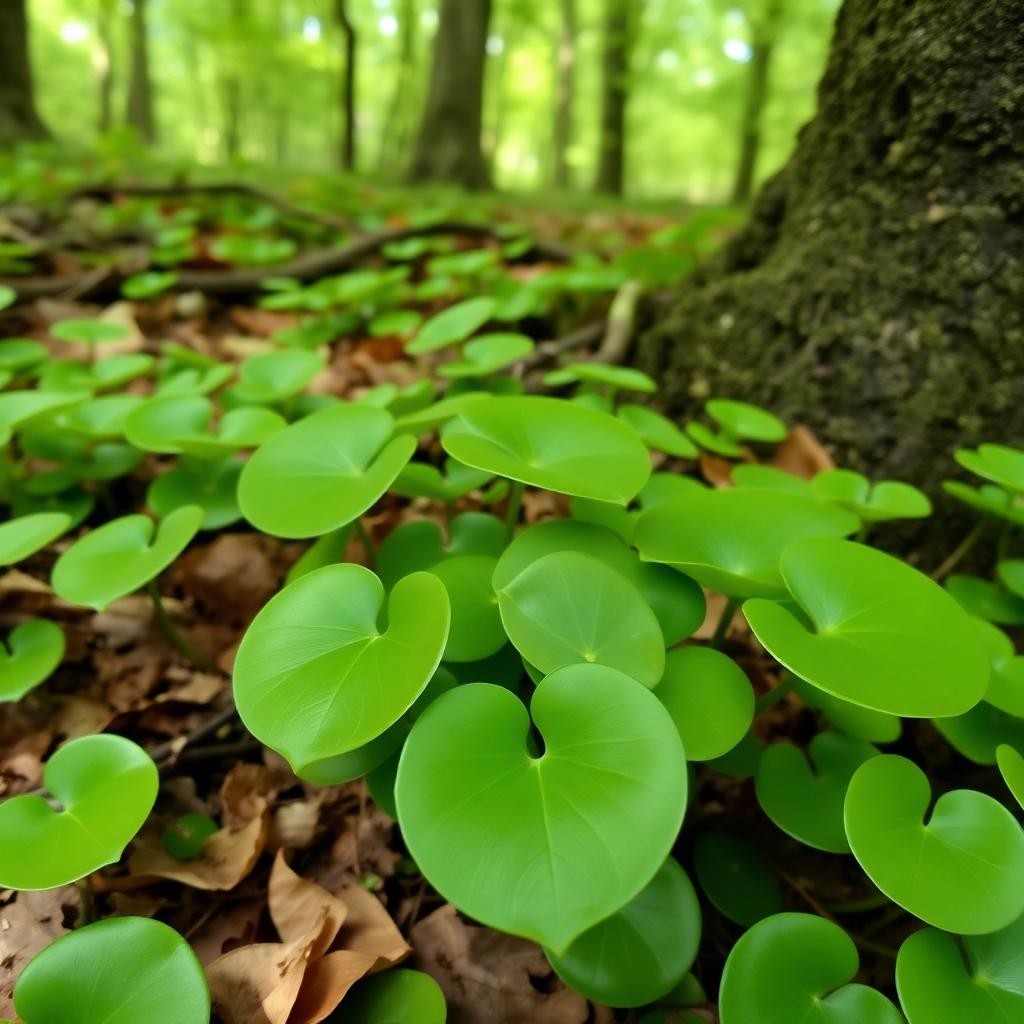
Wild ginger
Asarum spp.
- Best for
- Shaded woodland-style ground cover.
- Shade
- Part to deep
- Moisture
- Average
- Spread
- Slow spreading mat
- Root tolerance
- Medium
Why it works. Quiet, low, glossy ground cover that suits naturalistic under-tree planting.
Beginner note. Choose a species suited to your region for the best results.
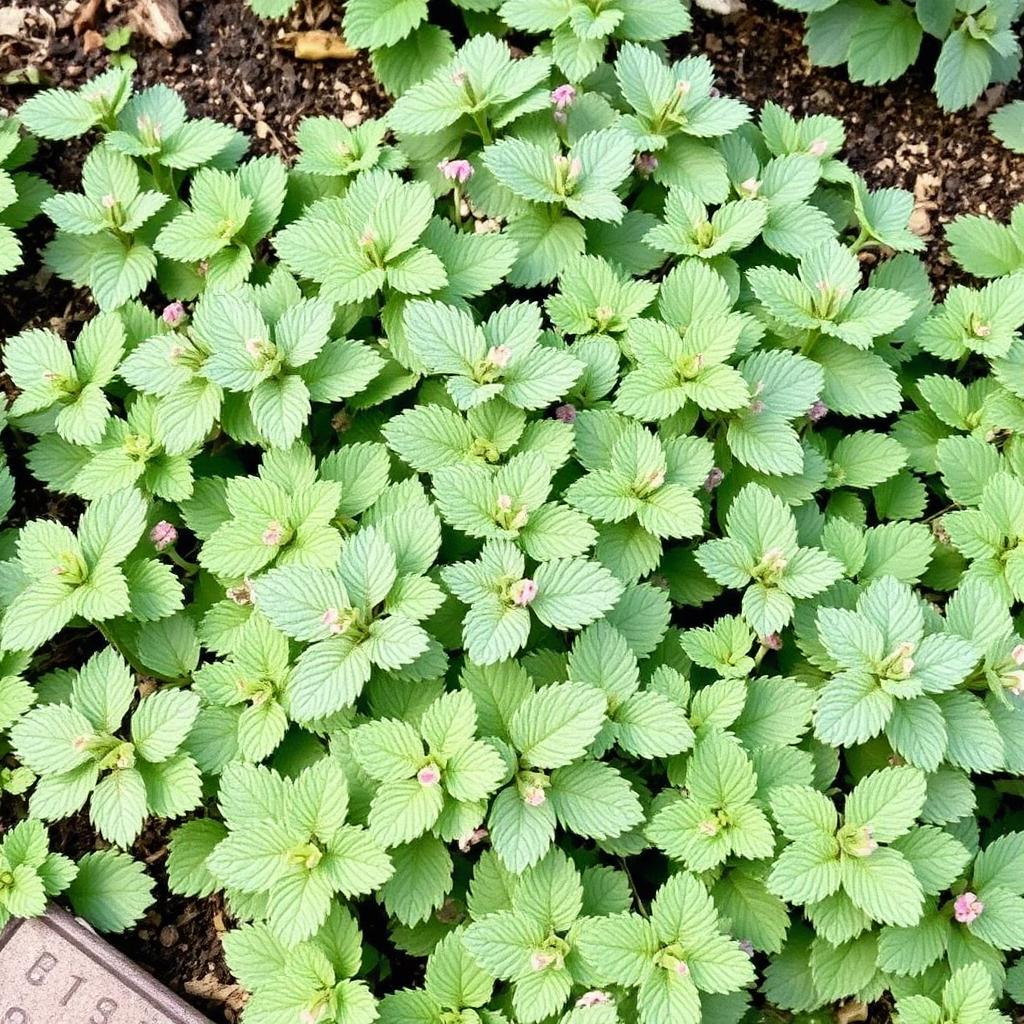
Lamium
Lamium maculatum
- Best for
- Shaded edges and gentle ground cover.
- Shade
- Part to deep
- Moisture
- Average
- Spread
- Light spreading mat
- Root tolerance
- Medium
Why it works. Bright variegated leaves lighten dark spots under trees.
Beginner note. Avoid the more vigorous forms in small gardens.
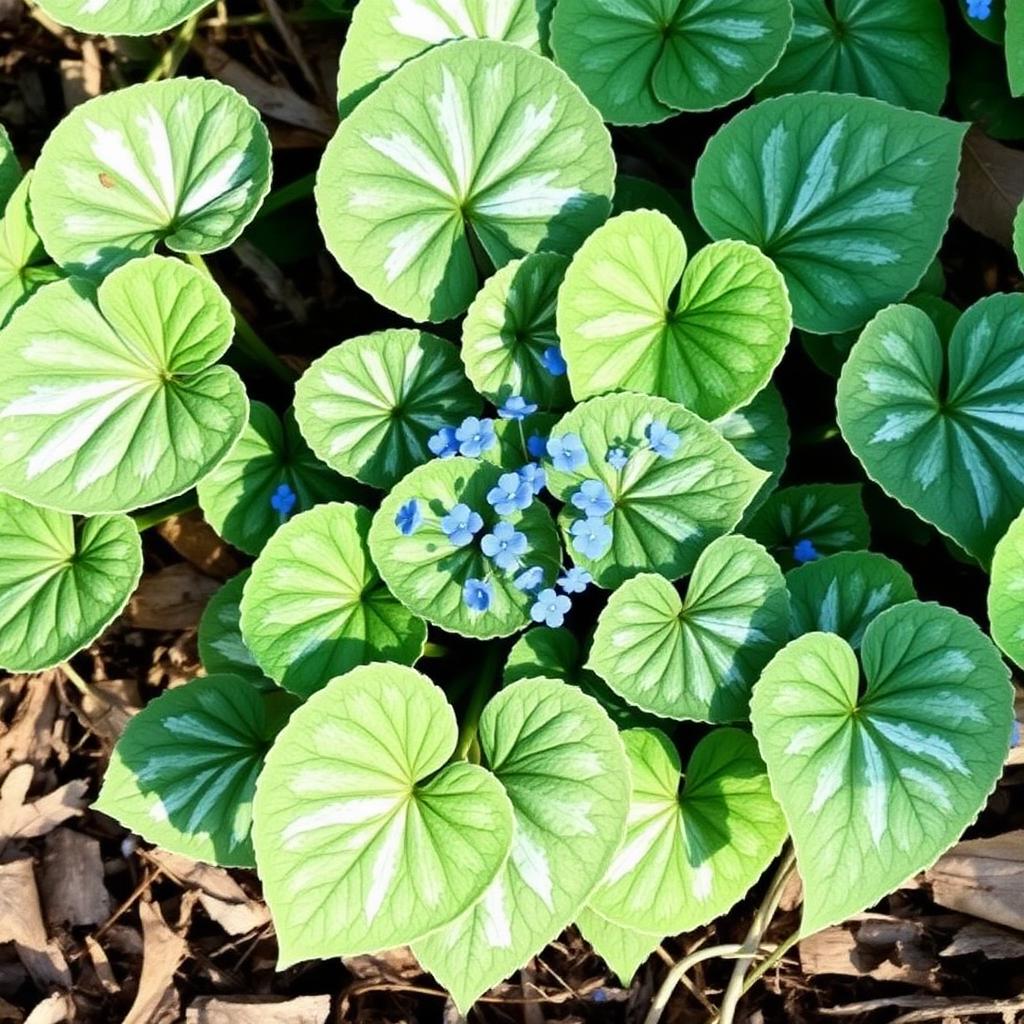
Brunnera
Brunnera macrophylla
- Best for
- Shaded borders and woodland-style beds.
- Shade
- Part to deep
- Moisture
- Average
- Spread
- Clumps
- Root tolerance
- Medium
Why it works. Silvered heart-shaped leaves and forget-me-not flowers in spring.
Beginner note. Brunnera looks best with steady moisture, so it can struggle in very dry root zones.
Pachysandra
Pachysandra spp.
- Best for
- Mass ground cover in deep shade.
- Shade
- Part to deep
- Moisture
- Average
- Spread
- Spreading mat
- Root tolerance
- Medium
Why it works. Dense, evergreen, and effective at covering bare soil.
Beginner note. Can spread strongly and some species are considered invasive in parts of the world. Check local guidance before planting.
Vinca
Vinca minor
- Best for
- Trailing ground cover in shade.
- Shade
- Part to deep
- Moisture
- Average
- Spread
- Trailing mat
- Root tolerance
- Medium
Why it works. Evergreen mat with small blue or white flowers in spring.
Beginner note. Considered invasive in many regions. Check local guidance and avoid where it could escape into natural areas.
A note on spreading ground covers
Best plants for dry shade under trees
Dry shade is the hardest condition because plants have both low light and root competition. Choose tough plants and water them well during establishment. Many of these stay tidy on their own once settled, but none of them are no-care plants in their first year.
Epimedium
Epimedium spp.
- Best for
- Dry shade beneath established trees.
- Shade
- Part to deep
- Moisture
- Dry once established
- Spread
- Slow clump
- Root tolerance
- High
Why it works. Often called the gold standard for dry shade ground cover.
Beginner note. Water through the first one to two summers, then it largely looks after itself.
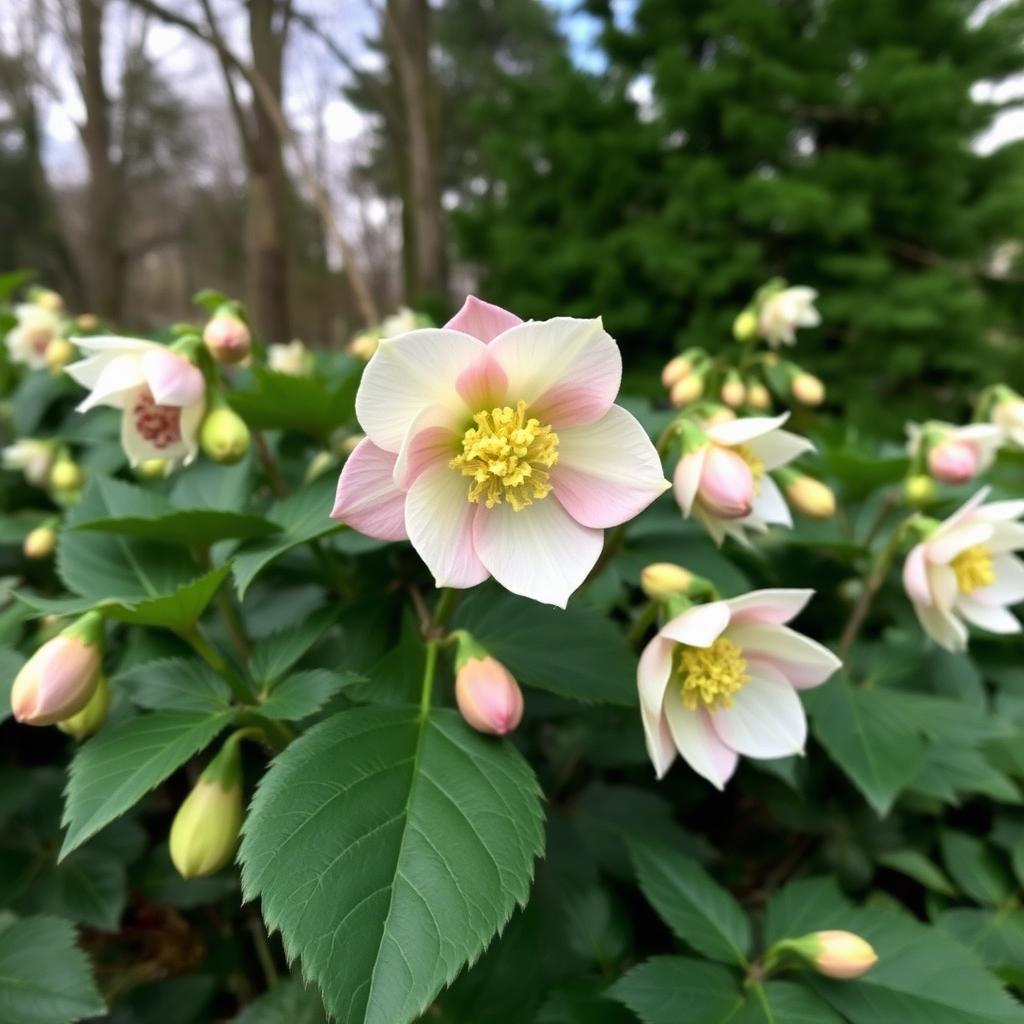
Hellebores
Helleborus spp.
- Best for
- Edges of tree canopies for winter and early spring colour.
- Shade
- Part to deep
- Moisture
- Average to dry
- Spread
- Clumps
- Root tolerance
- High
Why it works. Evergreen leaves and long-lasting winter flowers in tough spots.
Beginner note. Plant small, avoid disturbing them, and let leaves yellow naturally instead of cutting them too early.
Hardy geranium
Geranium macrorrhizum
- Best for
- Dry root-filled soil in part shade.
- Shade
- Part to light
- Moisture
- Dry to average
- Spread
- Spreading mat
- Root tolerance
- High
Why it works. One of the best geraniums for dry shade, with aromatic leaves and pink flowers.
Beginner note. Plant in groups for the best ground cover effect.
Carex
Carex spp.
- Best for
- Drier edges of tree canopies.
- Shade
- Part to light
- Moisture
- Average to dry
- Spread
- Slow clumps
- Root tolerance
- High
Why it works. Evergreen sedges add structure and tolerate dry conditions.
Beginner note. Cut back tired leaves in late winter to refresh the clump.
Liriope
Liriope muscari
- Best for
- Borders under mature trees.
- Shade
- Part to deep
- Moisture
- Average to dry
- Spread
- Clumps
- Root tolerance
- High
Why it works. Reliable strap-leaved plant for dry shade with late flowers.
Beginner note. Trim tired leaves back in late winter for fresh new growth.
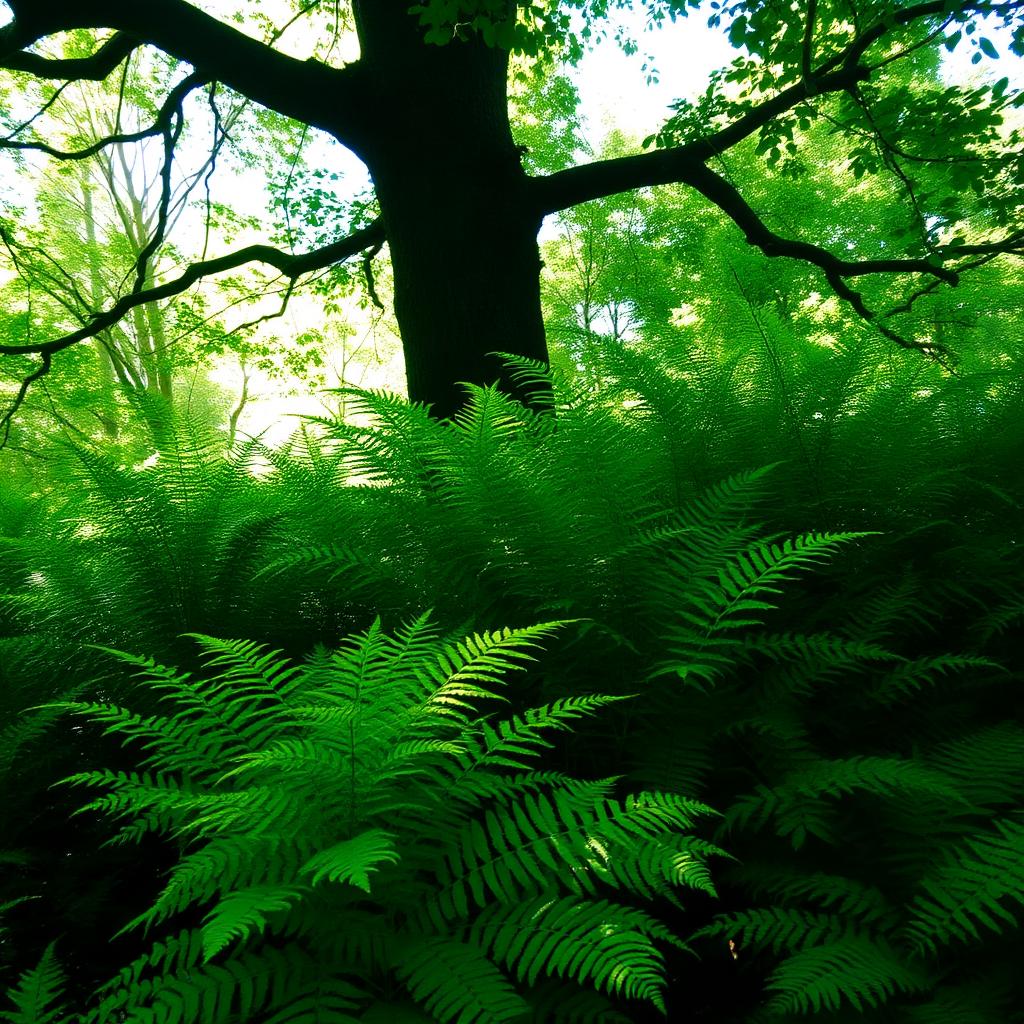
Dry-shade ferns
Dryopteris and others
- Best for
- Shaded woodland under trees.
- Shade
- Part to deep
- Moisture
- Average, drier types tolerate dry shade
- Spread
- Clumps
- Root tolerance
- Medium
Why it works. Some ferns, especially Dryopteris filix-mas and related species, cope with drier shade than many people expect.
Beginner note. Always check the species; not all ferns enjoy dry soil.
Brunnera
Brunnera macrophylla
- Best for
- Shaded beds with reasonable soil.
- Shade
- Part to deep
- Moisture
- Average
- Spread
- Clumps
- Root tolerance
- Medium
Why it works. Tolerates difficult shade once established and brings spring colour.
Beginner note. Water during long dry spells to keep leaves looking fresh.
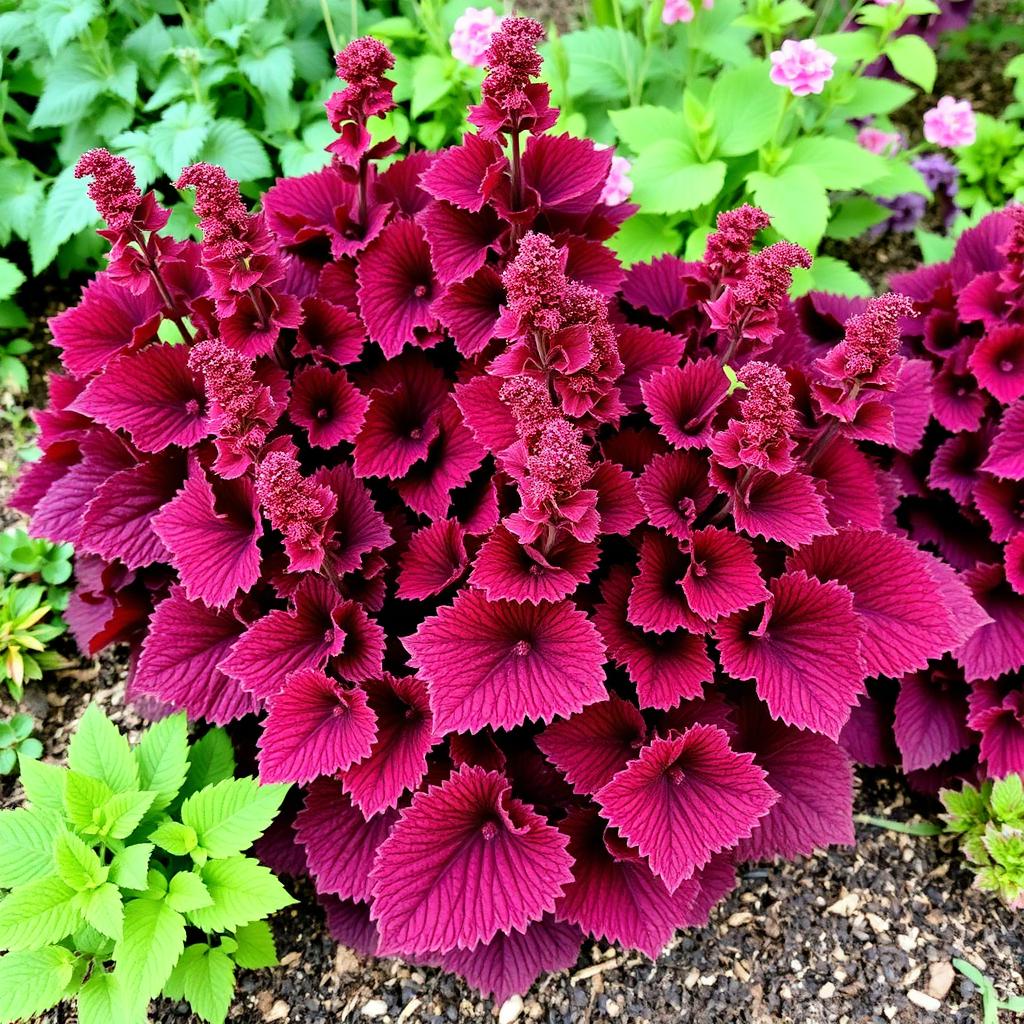
Heuchera
Heuchera spp.
- Best for
- Shaded edges and front of borders.
- Shade
- Part to light
- Moisture
- Average
- Spread
- Clumps
- Root tolerance
- Medium
Why it works. Strong leaf colour where flowers are limited under trees.
Beginner note. Lift and replant every few years if clumps push out of the soil.
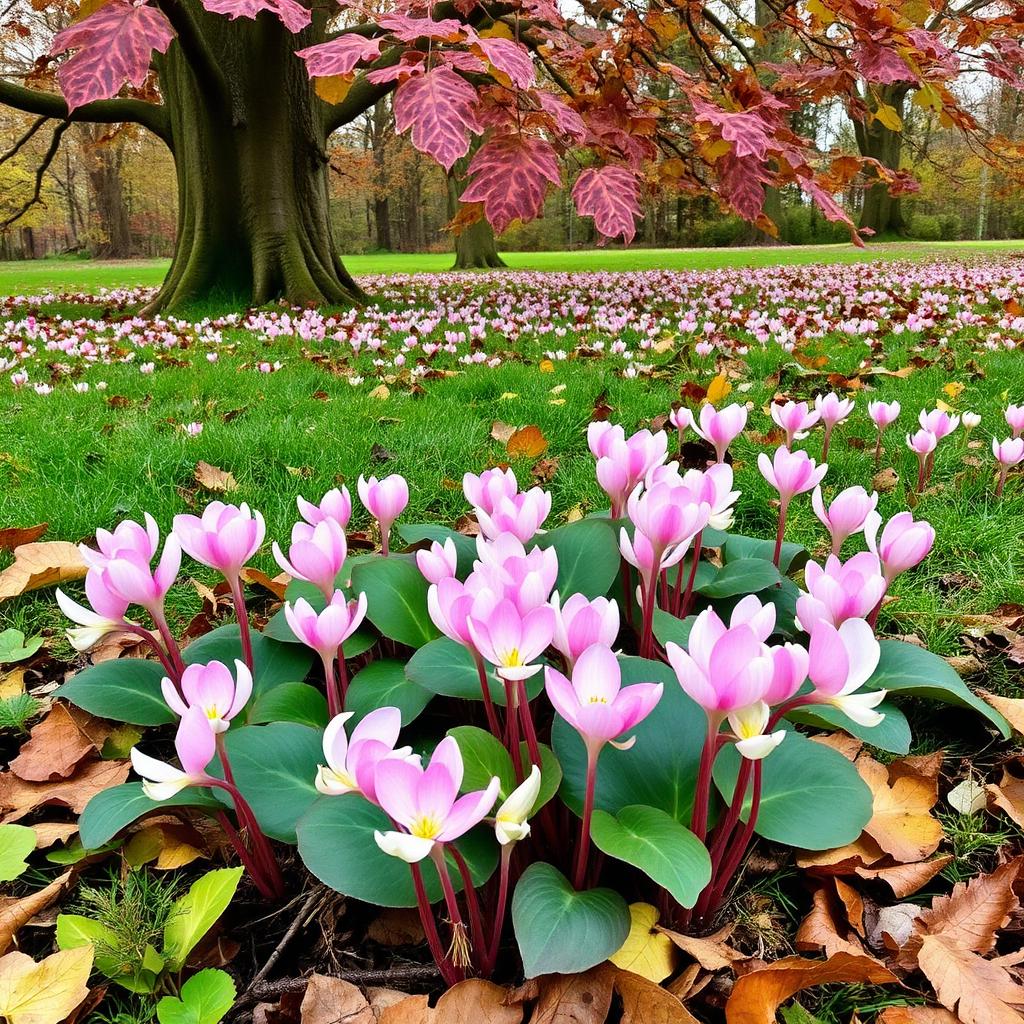
Hardy cyclamen
Cyclamen hederifolium
- Best for
- Dry shade under deciduous trees.
- Shade
- Part to deep
- Moisture
- Average to dry
- Spread
- Slow naturalising
- Root tolerance
- High
Why it works. Pretty autumn or spring flowers and marbled leaves in tough spots.
Beginner note. Buy from a reputable source and plant just below the soil surface.
Dry shade tolerant does not mean never water
Flowers to plant under trees
Flowers under trees are often easiest when they bloom before the canopy fully leafs out or when they are adapted to woodland shade. Spring bulbs are especially useful under deciduous trees because they finish their show before the dense leaf cover arrives. Many shaded perennials also flower well if matched to their preferred light and moisture.
Hellebores
Helleborus spp.
- Best for
- Edges of tree canopies for winter flowers.
- Shade
- Part to deep
- Moisture
- Average to dry
- Spread
- Clumps
- Root tolerance
- High
Why it works. Early flowers before the canopy fully closes.
Beginner note. Choose a reliable hybrid for the longest flowering display.
Tiarella
Tiarella spp.
- Best for
- Woodland-style beds in part shade.
- Shade
- Part to light
- Moisture
- Average
- Spread
- Slow ground cover
- Root tolerance
- Medium
Why it works. Soft flower spikes that look natural under trees.
Beginner note. Plant in small groups for the prettiest effect.
Brunnera
Brunnera macrophylla
- Best for
- Shaded beds.
- Shade
- Part to deep
- Moisture
- Average
- Spread
- Clumps
- Root tolerance
- Medium
Why it works. Small blue flowers above silvered leaves in spring.
Beginner note. Even silvered varieties enjoy steady moisture during establishment.
Hardy cyclamen
Cyclamen hederifolium
- Best for
- Dry shade under deciduous trees.
- Shade
- Part to deep
- Moisture
- Average to dry
- Spread
- Slow naturalising
- Root tolerance
- High
Why it works. Quiet pink and white flowers in autumn or spring.
Beginner note. Leave them to spread gently rather than dividing.
Lamium
Lamium maculatum
- Best for
- Shaded ground cover.
- Shade
- Part to deep
- Moisture
- Average
- Spread
- Light spreading mat
- Root tolerance
- Medium
Why it works. Long flowering season in shaded spots.
Beginner note. Choose a less vigorous form for small gardens.
Beyond the cards above, consider snowdrops, crocus, daffodils, and muscari at the outer edge of the canopy. Woodland phlox, Virginia bluebells, and anemone blanda also work in suitable climates. Drift small bulbs in groups rather than dotting them around for a more natural effect.
Perennials for under trees
Perennials are best planted small so you can tuck them between roots with less disturbance. A small division that establishes happily will outperform a large pot that struggled to fit into a tight planting hole. Build the planting up over a few seasons rather than trying to finish it in one weekend.
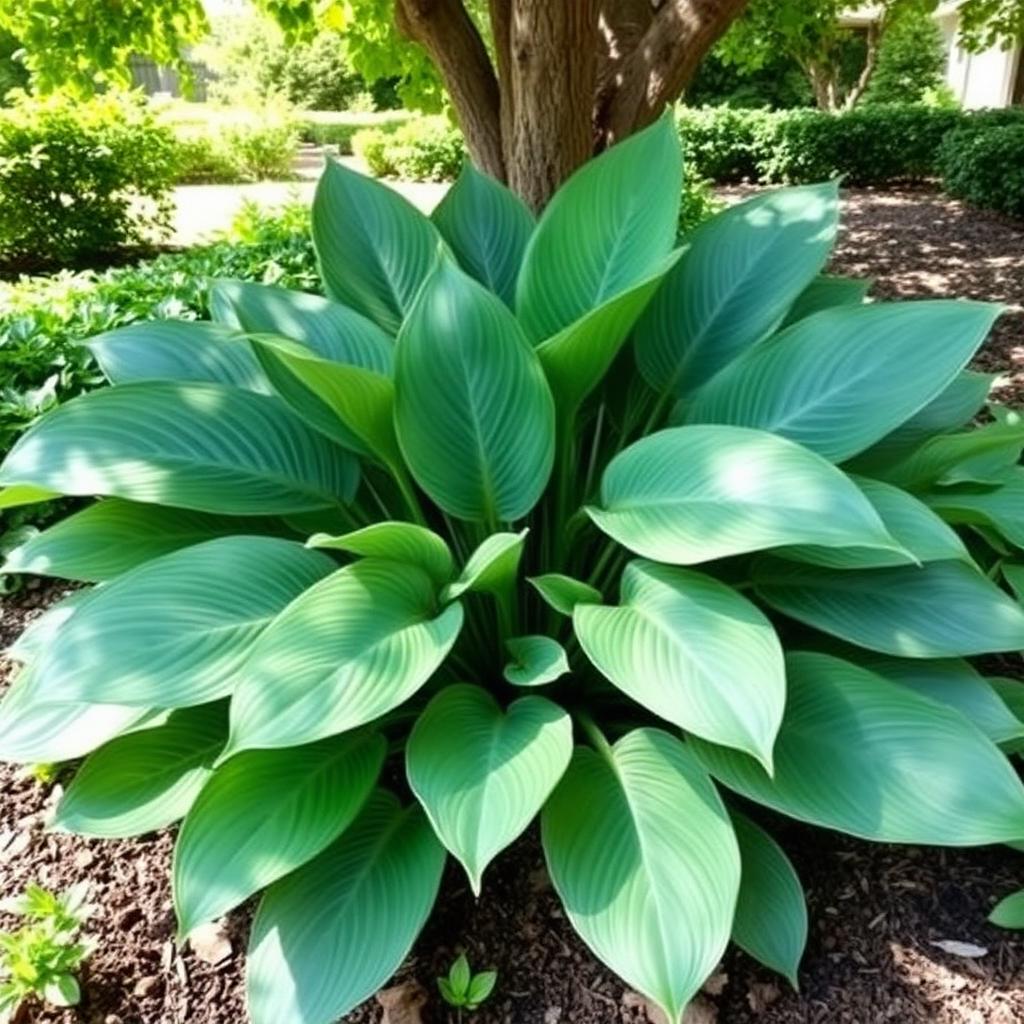
Hostas
Hosta spp.
- Best for
- Part shade with steady moisture.
- Shade
- Part to deep
- Moisture
- Steady
- Spread
- Clumps
- Root tolerance
- Medium
Why it works. Bold leaves bring structure where flowers struggle.
Beginner note. Hostas suffer in bone-dry root zones; choose another plant if you cannot water.
Ferns
Various
- Best for
- Naturalistic woodland beds.
- Shade
- Part to deep
- Moisture
- Varies by species
- Spread
- Clumps
- Root tolerance
- Medium
Why it works. Soft texture suits under-tree planting better than almost anything else.
Beginner note. Match the species to your moisture level.
Hellebores
Helleborus spp.
- Best for
- Shaded borders.
- Shade
- Part to deep
- Moisture
- Average to dry
- Spread
- Clumps
- Root tolerance
- High
Why it works. Long-lived woodland perennials with winter flowers.
Beginner note. Plant small and leave undisturbed for several seasons.
Heuchera
Heuchera spp.
- Best for
- Shaded edges.
- Shade
- Part to light
- Moisture
- Average
- Spread
- Clumps
- Root tolerance
- Medium
Why it works. Strong leaf colour all season.
Beginner note. Refresh tired clumps every few years.
Brunnera
Brunnera macrophylla
- Best for
- Shaded beds.
- Shade
- Part to deep
- Moisture
- Average
- Spread
- Clumps
- Root tolerance
- Medium
Why it works. Pretty foliage and spring flowers.
Beginner note. Silvered forms need a little extra protection from drought.
Wild ginger
Asarum spp.
- Best for
- Woodland ground cover.
- Shade
- Part to deep
- Moisture
- Average
- Spread
- Slow spreading mat
- Root tolerance
- Medium
Why it works. Quiet ground cover that suits naturalistic gardens.
Beginner note. Choose a regionally suitable species.
Other useful perennials to consider include Solomon’s seal, woodland asters where suitable, and carex used as a grass-like perennial. Pair tougher plants with softer woodland flowers for a layered look.
Hostas under trees
Hostas can grow under some trees, especially in partial shade with decent moisture, but they struggle under very dry, root-filled trees unless watered. Under deciduous trees they often do better than under dense evergreens, partly because spring light reaches them before the canopy closes. Under pines, hostas may struggle if the soil is very dry and root-filled.
Slugs and deer can also be a problem in some gardens. If hostas wilt quickly or stay small under a tree, the issue is often dry soil and root competition rather than just shade. Smaller divisions or even a pot sunk into the bed can help in difficult spots.
What to plant under pine trees
Pine trees can be difficult because they create dry shade, needle litter, and root competition. Some sites are also acidic, but dryness and shade are usually the bigger problem. Plants that suit drier shade and cope with needle drop tend to perform best.
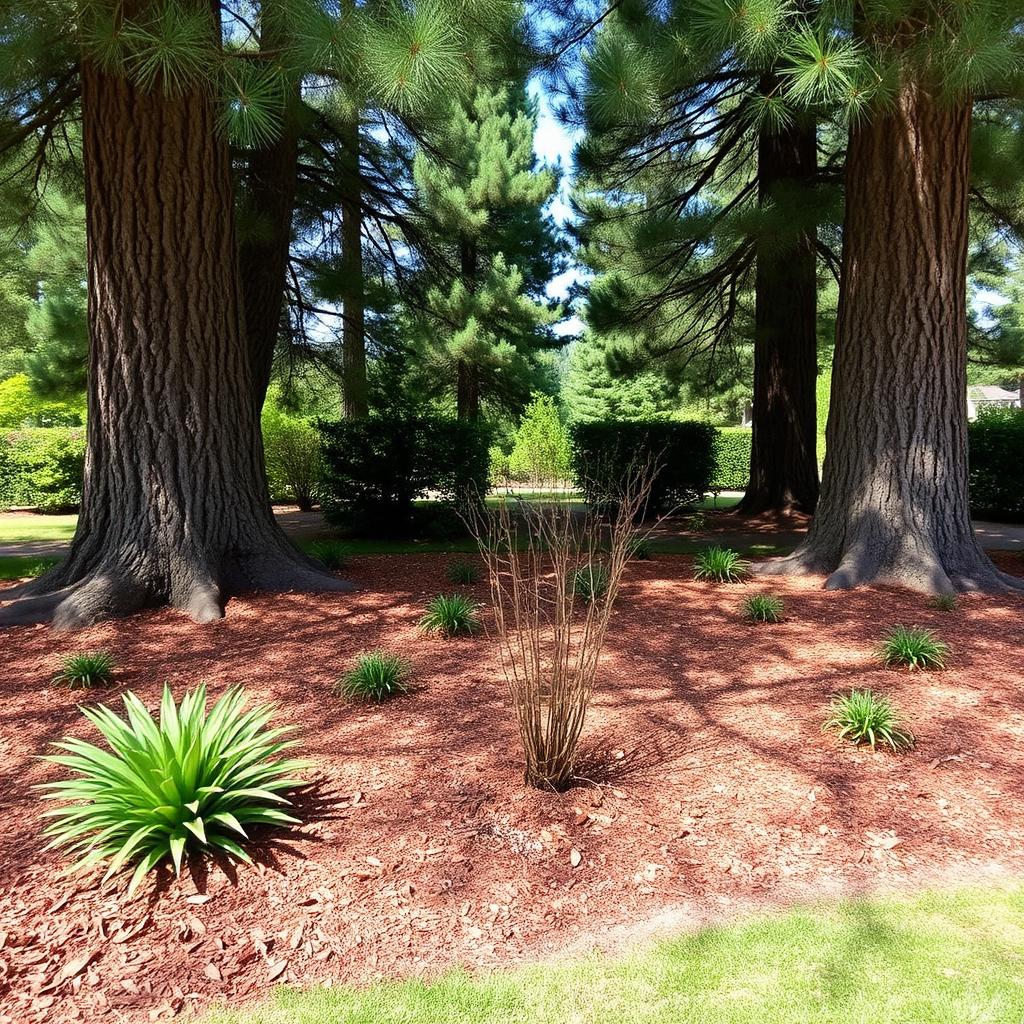
Hellebores
Helleborus spp.
- Best for
- Edges of pine canopies.
- Shade
- Part to deep
- Moisture
- Average to dry
- Spread
- Clumps
- Root tolerance
- High
Why it works. Cope with dry shade and add winter colour under pines.
Beginner note. Plant on the brighter edge of the canopy for the best flowering.
Carex
Carex spp.
- Best for
- Drifts under pines.
- Shade
- Part to light
- Moisture
- Average to dry
- Spread
- Slow clumps
- Root tolerance
- High
Why it works. Sedges handle needle litter and dry shade beautifully.
Beginner note. Rake away thick needle build-up so new sedges can establish.
Liriope
Liriope muscari
- Best for
- Borders and edges under pines.
- Shade
- Part to deep
- Moisture
- Average to dry
- Spread
- Clumps
- Root tolerance
- High
Why it works. Tough strap leaves in dry, shaded conditions.
Beginner note. Choose the clumping form to keep it tidy.
Dry-shade ferns
Dryopteris and others
- Best for
- Shaded pockets under pines.
- Shade
- Part to deep
- Moisture
- Average
- Spread
- Clumps
- Root tolerance
- Medium
Why it works. Add soft texture even where the soil is dry.
Beginner note. Water generously in the first season to help ferns settle.
Epimedium
Epimedium spp.
- Best for
- Dry shade between pine roots.
- Shade
- Part to deep
- Moisture
- Dry once established
- Spread
- Slow mat
- Root tolerance
- High
Why it works. Reliable dry shade ground cover that copes with root competition.
Beginner note. Plant small specimens and avoid major roots.
Where space and soil allow, some acid-tolerant shrubs such as azalea or rhododendron can work in suitable climates. Spring bulbs often perform best at the outer edge of the pine canopy where a little more light reaches the ground.
Plant small under pines
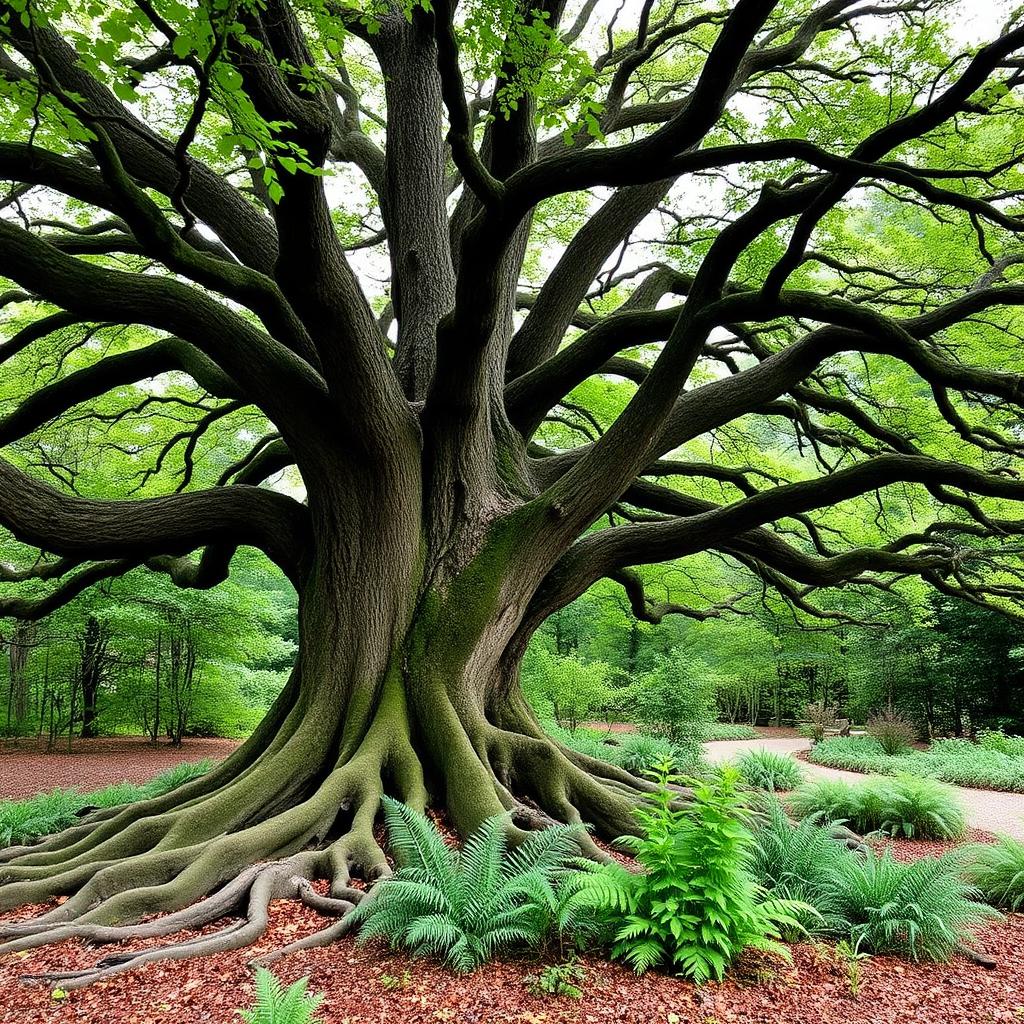
What to plant under oak trees
Oak trees can be long-lived and ecologically valuable, and they can also be sensitive to disturbance. Planting should be careful and shallow, especially near large surface roots. The aim is to add a beautiful understory without putting the tree under stress.
Native sedges
Carex spp.
- Best for
- Natural understory under oaks.
- Shade
- Part to deep
- Moisture
- Average to dry
- Spread
- Slow clumps
- Root tolerance
- High
Why it works. Many native sedges are well adapted to oak woodlands.
Beginner note. Choose a sedge that is native to your region for the best fit.
Ferns
Various
- Best for
- Shaded understory.
- Shade
- Part to deep
- Moisture
- Varies by species
- Spread
- Clumps
- Root tolerance
- Medium
Why it works. Soft, natural look that suits oak woodlands.
Beginner note. Match the species to your moisture level and region.
Heuchera
Heuchera spp.
- Best for
- Front of shaded beds under oaks.
- Shade
- Part to light
- Moisture
- Average
- Spread
- Clumps
- Root tolerance
- Medium
Why it works. Some native heucheras suit oak woodland understory.
Beginner note. Choose locally suitable native or near-native types where possible.
Tiarella
Tiarella spp.
- Best for
- Woodland-style beds under oaks.
- Shade
- Part to light
- Moisture
- Average
- Spread
- Slow ground cover
- Root tolerance
- Medium
Why it works. Native foamflowers fit naturally in oak woodlands in many regions.
Beginner note. Pair with native sedges and ferns for a calm woodland look.
Wild ginger
Asarum spp.
- Best for
- Quiet ground cover under oaks.
- Shade
- Part to deep
- Moisture
- Average
- Spread
- Slow spreading mat
- Root tolerance
- Medium
Why it works. Glossy leaves and woodland feel.
Beginner note. Use a species suited to your local oaks and climate.
Hellebores
Helleborus spp.
- Best for
- Edges of oak canopies.
- Shade
- Part to deep
- Moisture
- Average to dry
- Spread
- Clumps
- Root tolerance
- High
Why it works. Tough winter and early spring colour where light is limited.
Beginner note. Avoid disturbing major oak roots when planting.
Tree-safe planting under mature oaks
Landscaping under trees without hurting the tree
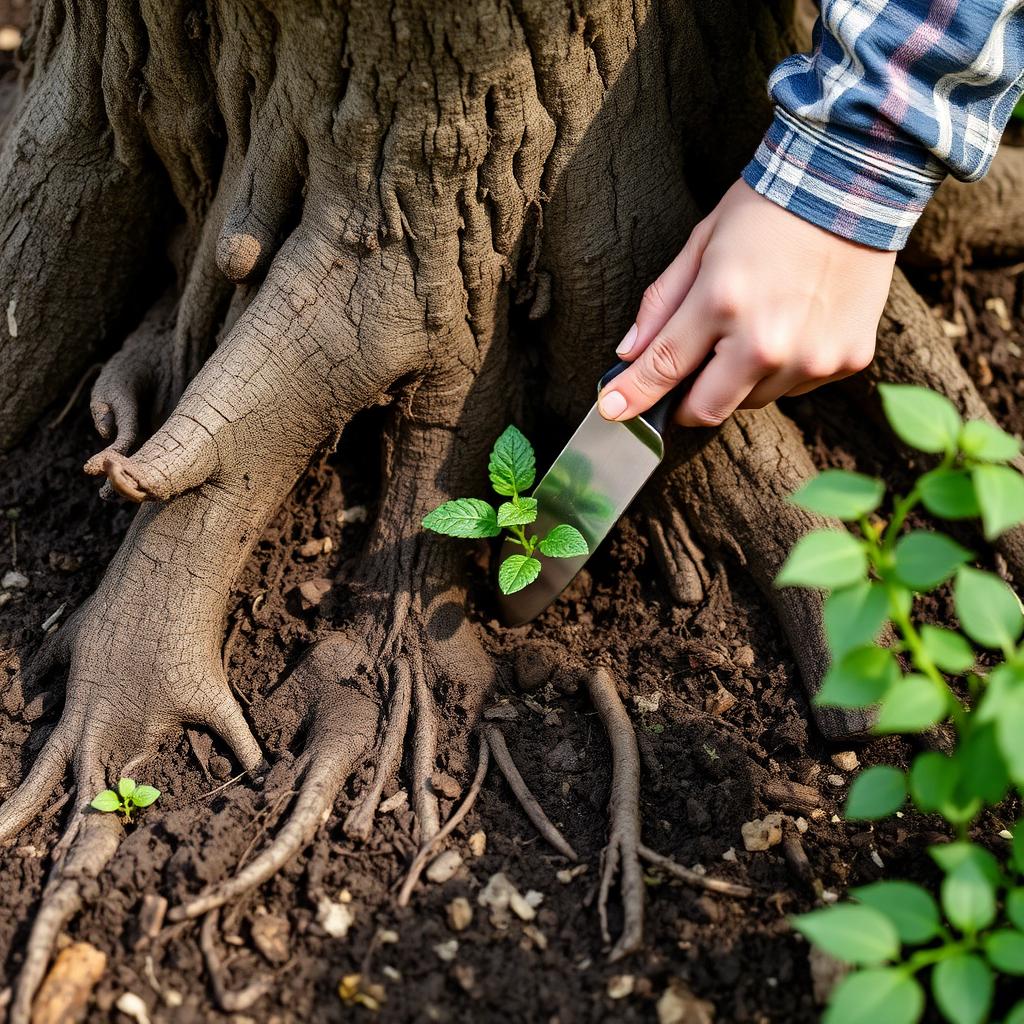
The aim under any tree is a planting that looks intentional and looks after itself, while keeping the tree healthy. That usually means doing less than you first plan to do, choosing smaller plants, and accepting some bare or mulched areas where roots are densest.
Tree-friendly landscaping principles
- Use small plants instead of large root balls
- Plant between roots, not through major roots
- Do not pile deep soil over the root zone
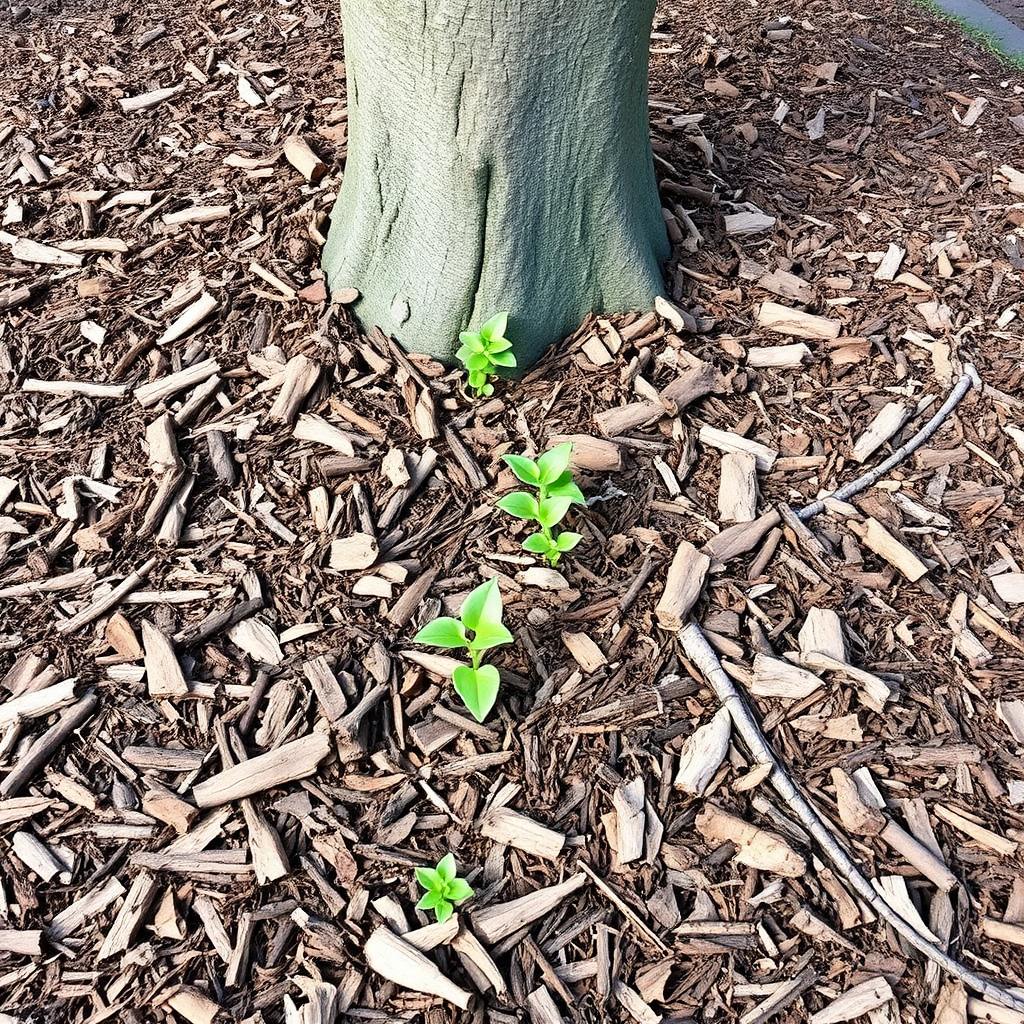
- Use a light mulch layer rather than a thick mulch volcano
- Keep mulch clear of the trunk
- Water new plants slowly and deeply while they establish
- Accept some open mulch areas where roots are very dense
- Use stepping stones only where needed to avoid soil compaction
- Avoid aggressive digging and trenching across the root zone
Stop if you hit a major root
Plants to avoid under trees
Some plants almost always disappoint under mature trees. Knowing what to skip can save more time and money than the plant list of what to try.
Sun-loving annuals in deep shade
Why it causes problems. They stretch, flower poorly, and rarely fill the space.
Better approach. Use shade-loving annuals such as impatiens or begonias, or skip annuals and plant tough perennials.
Moisture-loving plants in dry root-filled soil
Why it causes problems. They wilt constantly and die back in summer.
Better approach. Match plant choice to dry shade; consider epimedium, hellebores, or carex.
Large shrubs near major tree roots
Why it causes problems. Planting a big root ball can damage major tree roots and stress both plants.
Better approach. Use small perennials, ground covers, and bulbs instead.
Lawn grass under dense shade
Why it causes problems. Grass thins, weeds move in, and the area looks worse, not better.
Better approach. Replace the lawn area with a shade-tolerant ground cover and a light mulch.
Aggressive ivy in regions where it is invasive
Why it causes problems. Ivy can escape into nearby gardens and natural areas and is very hard to remove.
Better approach. Choose a regionally suitable ground cover and check local invasive plant guidance.
Plants that need frequent digging or division
Why it causes problems. Repeated digging disturbs tree roots and stresses the tree.
Better approach. Choose long-lived, low-maintenance perennials that can sit undisturbed for years.
Thirsty plants under mature evergreens
Why it causes problems. Evergreens take moisture year-round, so thirsty plants struggle.
Better approach. Choose drought-tolerant shade plants and water only while they establish.
Plants that need rich, deep soil over the roots
Why it causes problems. Adding deep soil over tree roots can harm the tree.
Better approach. Plant small specimens between roots and top dress with a thin layer of compost or mulch.
Fast spreaders that can escape
Why it causes problems. Aggressive spreaders can colonise nearby beds or natural areas.
Better approach. Choose well-behaved ground covers and check local guidance before planting any vigorous spreader.
How to plant under trees step by step
The same basic process works for most under-tree plantings. The key is to keep the holes small, keep disturbance to a minimum, and keep watering while plants settle in.
- Observe light under the tree at different times of day before you choose plants
- Check whether the soil is dry, damp, compacted, or full of roots
- Choose small plants that suit the conditions you actually have
- Water plants in their pots before planting
- Find gaps between roots for each plant
- Dig shallow, careful holes without cutting major roots
- Plant at the same depth as the pot, not deeper
- Backfill gently without mounding soil over roots
- Water slowly so moisture soaks in rather than running off
- Add a light mulch layer, kept clear of the trunk
- Water during dry spells while plants establish
- Adjust your expectations if tree roots are very dense; some areas may stay mulched
Start small and expand later
Useful supplies for planting under trees
Affiliate disclosure. Blooming Lucky may earn a commission if you buy through some links, at no extra cost to you.
Best beginner planting combinations under trees
These small combinations are designed to be easy to start with and easy to repeat. Beginners often do better with a small group of two or three plants repeated through the area than with a long list of one of each.
Dry shade starter
- Epimedium
- Hellebores
- Carex
- Spring bulbs such as crocus or snowdrops
A tough trio for difficult dry shade with bulbs for spring colour.
Woodland flower mix
- Hellebores
- Tiarella
- Brunnera
- Snowdrops or crocus
A quietly pretty combination for shaded beds with reasonable soil.
Ground cover mix
- Hardy geranium
- Epimedium
- Carex
- Wild ginger where suitable
A layered ground cover that softens the area under trees over time.
Under pine trial planting
- Hellebores
- Liriope
- Carex
- Ferns suited to dry shade
Start small under pines and see what establishes before expanding.
Under oak careful planting
- Native sedges
- Ferns
- Heuchera
- Tiarella
- Spring bulbs
Gentle, native-friendly choices for mature oaks.
Low-maintenance mulch and pockets
- Light mulch layer
- A few tough perennials
- Bulbs at the outer edge
- Open root areas left undisturbed
Accept the tree first and add planted pockets only where roots allow.
Frequently asked questions
What are the best plants for under trees?
What can I plant under trees in dry shade?
What ground cover grows under trees?
What flowers can I plant under trees?
Can hostas grow under trees?
Can hostas grow under pine trees?
What can I plant under pine trees?
What can I plant under oak trees?
Can you plant shrubs under trees?
How do you landscape under trees without damaging roots?
Should you add soil over tree roots before planting?
Can grass grow under trees?
How often should you water plants under trees?
What should you avoid planting under trees?
Final advice
The best plantings under trees follow a simple logic. Identify the real condition first: dry shade, damp shade, pine roots, oak roots, or deciduous shade. Choose small plants that can cope with root competition. Use ground covers, perennials, bulbs, and tough woodland plants in layers rather than relying on a single hero plant.
Plant carefully between roots. Do not cut major roots or pile deep soil around the tree. Water while plants establish, and accept that some areas under mature trees are better left as mulch with a few plant pockets. A simple, healthy under-tree planting that respects the tree will almost always look better than forcing plants into impossible conditions.
Related reads
Keep reading
- PlantsAll Blooming Lucky plant guidesBrowse the full library of plant guides for every part of the garden.Read guide
- Garden DesignGarden design ideasLayout, structure, and planting ideas for real gardens.Read guide
- ContainersPots and containersHow to plant and look after pots, troughs, and containers.Read guide
- PlantsLarge-leaved plants: 8 beauties to tryBold leaf plants that bring structure to shaded and sheltered spots.Read guide
- PlantsLime-coloured plants: my favouritesBright lime foliage that lifts shaded corners and woodland edges.Read guide
- BulbsBulb lasagne: the dos and don'tsLayer spring bulbs in pots for waves of colour, including some that suit under-tree edges.Read guide
Looking for the wider plant library? Visit the Plants hub.